How Does a Small Kitchen Appliance Factory Turn an Idea into a Finished Product?
OEM/ODM Kitchen Appliance Manufacturer|Bestone
Turning a product idea into a market-ready kitchen appliance takes more than a good design. It requires engineering coordination, material selection, tooling, component preparation, assembly, quality inspection, and careful production planning.
For importers, wholesalers, distributors, and private-label brands, understanding this process is an important part of choosing the right manufacturing partner. A product may look excellent in a sample, but can the manufacturer reproduce the same quality in bulk? Can the factory support your target market, customization requirements, and delivery schedule? And how can you verify its actual production capabilities before placing an order?
These questions matter whether you are sourcing electric kettles, toasters, blenders, coffee makers, or other small kitchen appliances.
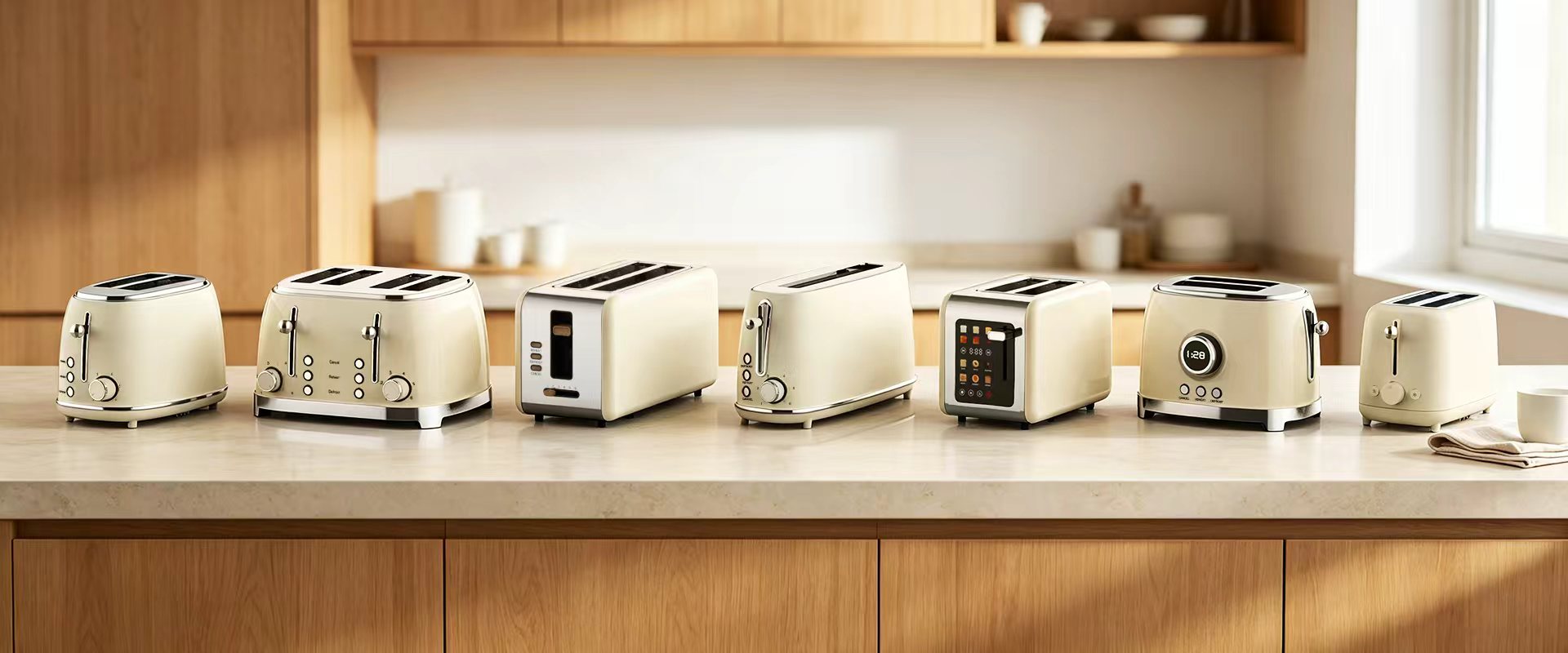
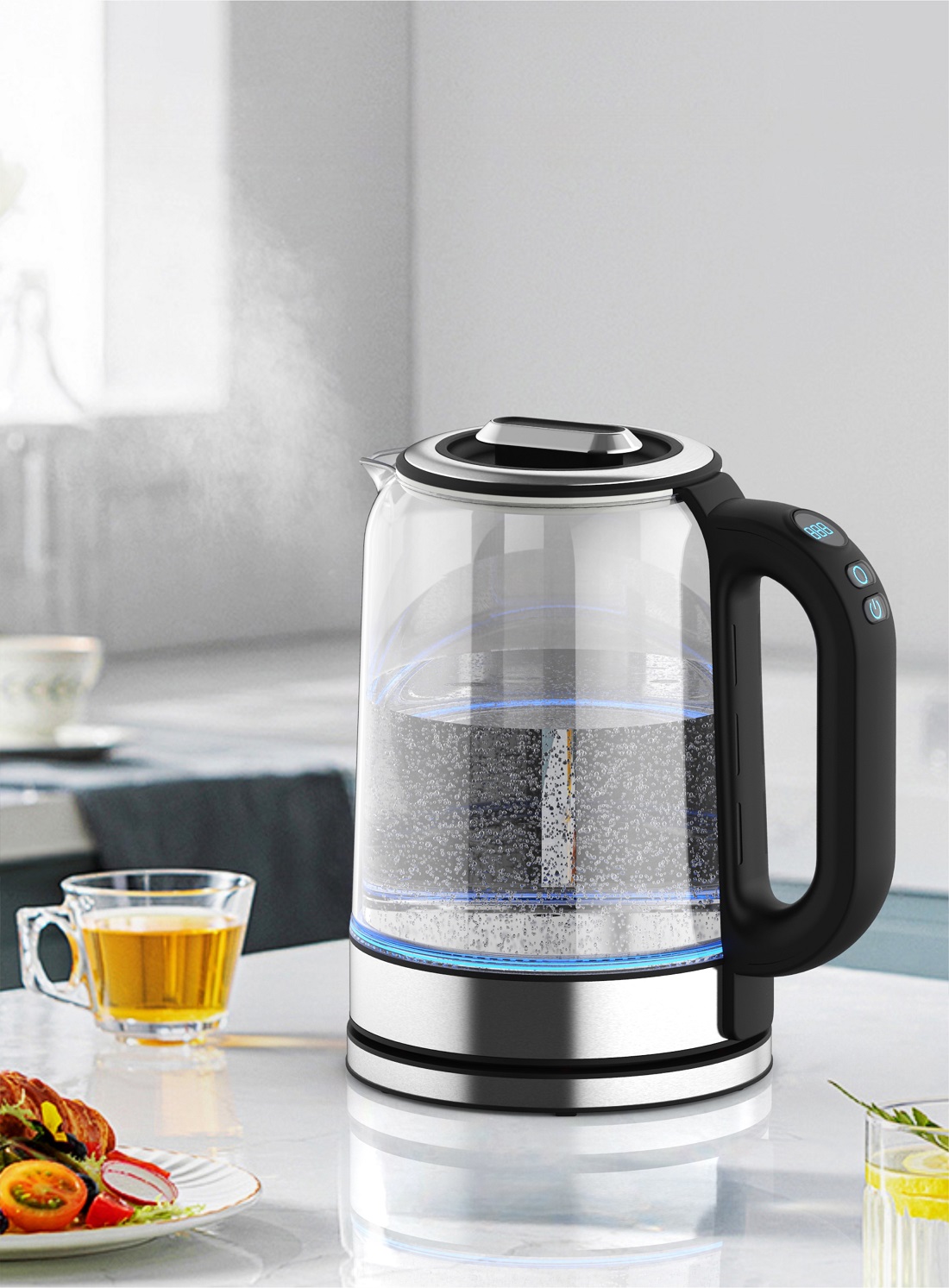
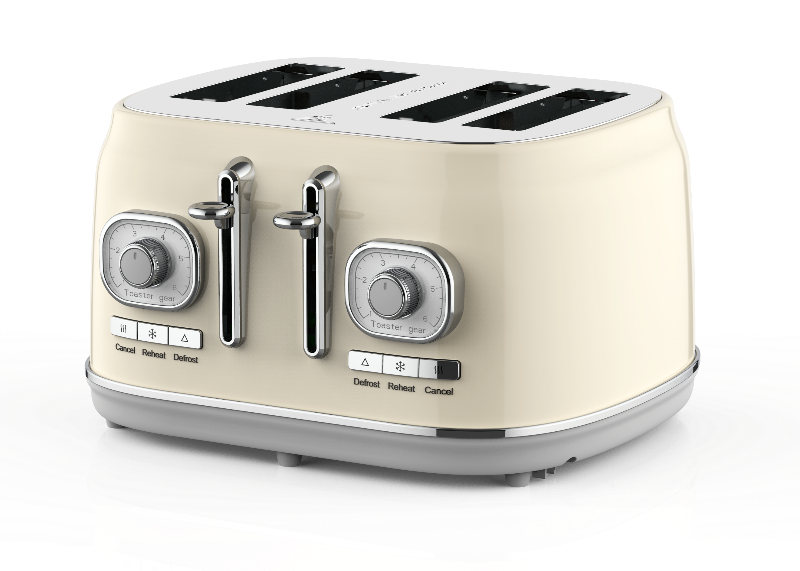
As a kitchen and dining small appliance manufacturer based in Jiangmen, Guangdong, China, Bestone offers a product portfolio covering electric kettles, toasters, blenders, coffee makers, hand mixers, and related appliances. Its website also presents OEM/ODM services for business customers seeking product customization and manufacturing cooperation.
Explore Bestone's product catalog.
In this guide, we will walk through the key stages of kitchen appliance manufacturing and explain what B2B buyers should look for at each stage.

1. What Does a Small Kitchen Appliance Factory Actually Do?
1.1 What Is the Difference Between a Manufacturer and a Trading Company?
A trading company typically focuses on sourcing products from suppliers, coordinating orders, and managing commercial communication. A manufacturer is directly involved in some or all of the processes required to make a product.
However, the distinction is not always as simple as it sounds. Some manufacturers outsource specialized processes, while some trading companies work closely with established factories and provide useful project coordination.
For B2B buyers, the more important question is who is responsible for each part of the project.
Before choosing a supplier, ask who manages product engineering, tooling, component sourcing, assembly, testing, and quality control. You should also understand who handles production problems and how corrective actions are managed.
A transparent supplier should be able to explain its manufacturing responsibilities clearly rather than relying on the word “factory” alone.
1.2 Which Manufacturing Activities Can Be Managed In-House?
The production process for a small kitchen appliance may involve product engineering, tooling development, plastic injection molding, component preparation, assembly, functional testing, and final inspection.
Some factories manage several of these activities internally. Others rely on qualified external partners for selected components or specialized processes.
Neither model automatically guarantees better quality. What matters is whether responsibilities are clearly defined and whether the manufacturer can coordinate the complete process effectively.
When evaluating a kitchen appliance factory, ask which operations take place at its own facility, which components are purchased from external suppliers, and how incoming materials and outsourced processes are controlled.
For example, a supplier may manage final assembly and testing internally while sourcing a motor, controller, heating element, or specialized metal component from a dedicated supplier.
Understanding this production structure helps buyers evaluate the factory realistically and identify potential supply-chain risks.
1.3 Why Does Manufacturing Capability Matter to B2B Buyers?
Manufacturing capability affects more than the factory's ability to produce a certain quantity. It also influences how efficiently the supplier can respond to product changes, resolve quality issues, and support repeat orders.
Importers may prioritize stable supply and documentation. Wholesalers and distributors may focus on consistent product specifications, competitive purchasing costs, and dependable replenishment. Brand owners may need greater customization flexibility and closer coordination during product development.
A suitable manufacturer should understand these different priorities and explain how its production system supports them.
Instead of asking only, “What is your production capacity?”, consider asking, “Which parts of my project can you manage, how do you control quality, and what evidence can you provide?”
These questions offer a more useful starting point for a long-term manufacturing relationship.

2. How Does a New Kitchen Appliance Project Start?
2.1 How Should Buyers Define Their Target Market and Product Requirements?
Every successful manufacturing project starts with a clear understanding of the intended market.
Before requesting a quotation, buyers should identify their target customers, sales channels, expected retail price, product positioning, and main competitors. These factors help determine which features are necessary and which may add cost without delivering enough commercial value.
For example, a retailer developing an entry-level electric kettle may prioritize straightforward operation, a practical capacity, and a competitive cost. A brand targeting the premium segment may place more emphasis on appearance, temperature control, materials, and packaging.
The same principle applies to toasters and blenders. A product designed for everyday household use may require a different combination of functions and accessories from one intended for a premium retail collection.
The clearer your market requirements are, the easier it becomes for a manufacturer to recommend an appropriate product configuration.
2.2 Which Technical Specifications Should Be Confirmed at the Beginning?
Technical specifications turn a general product idea into a manufacturing brief.
Depending on the product, the initial specification may include:
- Product dimensions and capacity.
- Rated voltage, frequency, and power.
- Key functions and control methods.
- Main materials and finish requirements.
- Accessories, packaging, and branding.
- Intended sales markets and applicable compliance requirements.
Electrical specifications deserve particular attention. A product intended for North America may require different electrical configurations from one intended for a European market. Plug types, labeling, testing, and documentation should be discussed early.
For an electric kettle, buyers may need to confirm capacity, heating configuration, controller options, and relevant safety functions. For a toaster, slot configuration, browning controls, and available operating modes may be important. For a blender, motor performance, speed control, and accessory combinations may need review.
Confirming these details before sampling helps reduce avoidable revisions later.
2.3 How Can Buyers and Manufacturers Align Their Expectations?
Clear communication is essential when a product moves from an initial idea to a manufacturable design.
Buyers should share reference images, existing specifications, technical drawings when available, and a written list of required functions. The manufacturer can then review the request and identify questions involving feasibility, cost, materials, or production methods.
It is also helpful to agree on commercial expectations early. These may include estimated order quantities, target costs, sample requirements, packaging, inspection criteria, and the desired delivery window.
Not every detail needs to be finalized on the first day, but open questions should be recorded rather than assumed.
A shared project brief gives both sides a common reference point. It also makes later decisions easier to track when product specifications or market requirements change.

3. How Are Product Design and Engineering Requirements Developed?
3.1 How Does Product Design Turn Customer Needs into a Practical Solution?
Product design connects what customers want with what can realistically be manufactured.
An attractive appliance must also be practical to assemble, comfortable to use, suitable for its intended environment, and compatible with the target cost. Design decisions can affect component selection, production methods, packaging dimensions, and the ease of future maintenance.
For example, changing the shape of a kettle handle may affect grip comfort, internal space, wiring layout, and mold design. Changing the exterior of a toaster may influence panel construction and the placement of controls.
This is why design and manufacturing should not be treated as completely separate activities.
Early engineering discussions can help identify problems before they become expensive changes during tooling or mass production. For buyers without an in-house product development team, a manufacturer's ability to discuss practical design trade-offs can be especially valuable.
3.2 Which Structural and Electrical Details Need Engineering Review?
The engineering review depends on the appliance, its features, and its intended market.
For an electric kettle, relevant considerations may include the heating system, controller arrangement, water-contact components, handle structure, and protective functions. For a toaster, the review may cover the heating arrangement, bread carriage, control mechanism, thermal behavior, and electrical connections. For a blender, the motor, blade assembly, drive connection, housing, and speed-control system may require attention.
Engineers also need to consider how components fit together, how wires are routed, and whether the design can be assembled consistently.
These are examples of engineering considerations, not a universal checklist for every model. The actual review must follow the product's design and applicable requirements.
Buyers should ask how engineering questions are documented, how proposed changes are approved, and how the final design is verified before production.
3.3 When Should Buyers Consider Design Changes or Customization?
Customization may be appropriate when a standard product does not fully match a brand's positioning or market requirements.
Common areas for discussion include housing colors, surface finishes, logos, packaging, accessories, control options, and selected product features. More substantial changes may involve structural design or tooling.
The earlier a required change is identified, the easier it is to assess its impact. A small color adjustment may have a different cost and timeline from a change that requires new tooling or additional engineering verification.
Buyers should also distinguish between customization that is commercially desirable and customization that is essential for market access or product functionality.
Before approving a change, confirm its feasibility, cost implications, sample requirements, and effect on the production schedule. Record the approved specification so that the factory can use the correct version when preparing for mass production.

4. Why Do Tooling and Mold Development Matter in Appliance Manufacturing?
4.1 What Role Do Molds Play in Plastic Kitchen Appliance Production?
Molds are important tools in the production of many plastic appliance components. They help shape parts such as outer housings, handles, bases, covers, and other structural elements.
In injection molding, plastic material is heated and injected into a mold cavity. After the material cools and solidifies, the component is removed for further processing or assembly.
The mold design influences the shape, dimensions, surface details, and manufacturability of the component. It must also be considered alongside the chosen material and expected production volume.
For buyers developing a customized appliance, tooling may represent a significant part of the initial project investment. The cost and development requirements depend on the part design, mold complexity, materials, and production expectations.
Ask the manufacturer to explain whether tooling development is handled internally or through a specialist partner and how tooling-related decisions will be managed.
4.2 How Can Tooling Decisions Affect Product Appearance and Consistency?
A mold needs to support the intended design while allowing the component to be produced consistently.
Problems such as flash, shrinkage, dimensional variation, or surface defects may arise from mold design, material behavior, machine settings, or process control. These issues can affect the appearance of the part and its fit with neighboring components.
A component that looks acceptable on its own may still create difficulties if it does not fit correctly during assembly.
For this reason, tooling evaluation should consider more than the first sample. Buyers and manufacturers need to assess whether the design is suitable for repeatable production and whether critical dimensions can be maintained.
Where necessary, sample reviews and process adjustments can help identify issues before the product moves into larger production quantities.
4.3 What Should Buyers Confirm Before Approving a Mold or Tooling Project?
Before approving a tooling project, buyers should understand its scope and commercial terms.
Important points include the parts covered by the tooling, development cost, expected sample stages, acceptance criteria, revision arrangements, maintenance responsibilities, and ownership terms.
If a project involves proprietary designs, buyers should also clarify how drawings, tooling, and other intellectual property will be handled under the agreement.
It is useful to define what constitutes an approved sample and what happens if the sample does not meet the agreed specifications. The process for requesting changes should also be clear.
These discussions help prevent misunderstandings after development has started and give both sides a more structured way to manage the project.

5. How Are Plastic and Metal Components Prepared for Production?
5.1 How Does Plastic Injection Molding Support Appliance Manufacturing?
Plastic injection molding is commonly used to manufacture components with defined shapes and repeatable dimensions.
Depending on the design, molded parts may form an appliance's outer housing, handle, control surround, base, or internal support structure. The selected plastic material must be appropriate for the component's mechanical, thermal, appearance, and intended-use requirements.
Material preparation, mold condition, machine settings, and cooling behavior can all influence the resulting part.
After molding, components may undergo visual inspection, dimensional checks, trimming, or other preparation before assembly.
For B2B buyers, the key questions are whether the specified material is used, how defects are identified, and how consistency is maintained across production batches.
If injection molding is part of the manufacturer's in-house capability, ask how the process is controlled. If it is outsourced, ask how the supplier qualifies and monitors the external processor.
5.2 How Are Metal Components and Surface Finishes Prepared?
Metal components may be used in heating systems, structural elements, exterior panels, internal supports, and other parts of a kitchen appliance.
Depending on the design, their production may involve cutting, forming, machining, polishing, coating, or other surface-finishing processes. Not every appliance requires all of these operations, and the exact manufacturing route depends on the component.
Surface finish can influence appearance, cleaning, corrosion resistance, and perceived product quality. Material choice also needs to reflect the component's intended function and operating environment.
Buyers should confirm the specified metal grade or material requirement where relevant, the desired finish, and the applicable acceptance criteria.
It is equally important to understand the actual production arrangement. A factory may manufacture certain components itself while sourcing others from specialist suppliers. Clear responsibility and appropriate inspection are more meaningful than assuming every operation takes place under one roof.
5.3 How Are Materials Selected for Different Product Requirements?
Material selection involves balancing performance, safety, appearance, cost, and manufacturing feasibility.
A material that works well for an exterior housing may not be suitable for a high-temperature component or a part that contacts food or water. Similarly, two materials that look similar may differ in heat resistance, mechanical properties, surface behavior, or regulatory suitability.
For electric kettles, buyers may need to review the materials used for water-contact parts and the surrounding housing. For toasters, heat exposure and the position of each component are important considerations. Blender projects may require separate consideration of the housing, container, blade assembly, and accessories.
The appropriate choice depends on the product's design and intended use rather than on a material name alone.
Before mass production, buyers should confirm the agreed material specifications and request relevant supplier documentation or test evidence when required.

6. How Are Kitchen Appliance Components Assembled into a Finished Product?
6.1 Which Main Components Make Up an Electric Kettle, Toaster, or Blender?
Although these products serve different purposes, each combines components that must work together reliably.
An electric kettle may include a vessel, heating system, controller, base, handle, lid, power connections, and protective features. The exact arrangement varies by model.
A toaster may include a housing, heating elements, bread carriage, controls, crumb tray, and associated electrical components. A blender may combine a motor assembly, housing, drive mechanism, blade assembly, container, controls, and optional accessories.
These examples illustrate why assembly planning must follow the approved product design.
A buyer does not need to know every internal detail, but understanding the major components can help clarify specifications, compare models, and ask more useful questions during supplier discussions.
6.2 How Does the Assembly Process Vary Across Product Categories?
Assembly sequences vary according to product structure, component count, and operating principle.
A kettle assembly may require careful positioning of the heating and control components, followed by enclosure assembly and relevant functional checks. A toaster may require installation and alignment of its heating and carriage mechanisms. A blender may need correct assembly of the motor and drive components, along with checks related to its controls and accessories.
The exact sequence should be determined by the product's engineering documentation and production requirements.
A well-organized process helps operators follow consistent work instructions and allows inspection points to be placed where they are most useful.
When evaluating a manufacturer, buyers can ask how assembly procedures are documented, how workers are trained, and how component or process changes are communicated to the production team.
6.3 Which Assembly Details Can Affect Product Performance and Appearance?
Small assembly differences can have a noticeable effect on a finished appliance.
Examples include component alignment, fastening, wire routing, housing fit, control placement, and the condition of visible surfaces. Depending on the design, an assembly issue may affect functionality, product appearance, or the results of subsequent tests.
For that reason, quality control should not rely entirely on a final inspection after every component has been assembled.
In-process checks can help identify problems closer to the point where they occur. If an issue is found, the factory can investigate whether it relates to incoming components, work instructions, tooling, or operator technique.
For buyers, the goal is not simply to receive a product that passes a single inspection. It is to establish a process that can consistently produce units meeting the agreed requirements.

7. How Does a Factory Check Product Quality During Production?
7.1 What Should Incoming Material Inspection Cover?
Incoming inspection helps determine whether purchased materials and components meet the agreed specifications before they enter production.
Depending on the item, checks may cover dimensions, appearance, material identification, component compatibility, labeling, and relevant supplier documentation.
The inspection method should reflect the component's function and risk. A cosmetic housing and a critical electrical component do not necessarily require the same checks.
Factories may use approved specifications, sampling plans, supplier records, and defined acceptance criteria to guide the process.
Buyers should ask how nonconforming materials are identified, segregated, and resolved. They can also clarify whether key component suppliers are subject to qualification or ongoing performance reviews.
These questions help reveal how the factory manages the quality of materials before assembly begins.
7.2 How Can In-Process Checks Help Identify Manufacturing Problems?
In-process inspection focuses on identifying problems during production rather than waiting until the finished product is ready for shipment.
Checks may be placed after molding, during component preparation, at selected assembly stages, or before final testing. The appropriate checkpoints depend on the product and its manufacturing process.
If an issue appears repeatedly, the factory should investigate its cause and determine whether corrective action is needed. Depending on the situation, this may involve checking material batches, machine settings, work instructions, component tolerances, or assembly methods.
Recording problems and corrective actions also helps teams recognize recurring patterns.
For B2B buyers, a useful discussion is not simply whether a factory conducts inspections, but how inspection findings are documented and how the factory prevents known issues from recurring.
7.3 Which Assembly and Finished-Product Checks Should Buyers Ask About?
Finished-product inspection commonly considers appearance, assembly condition, key functions, labeling, accessories, and packaging. Additional checks may be necessary for specific designs or market requirements.
Buyers should establish the acceptance criteria before production begins. This can include the inspection scope, sampling method, defect classification, and the procedure for handling nonconforming products.
It is also helpful to confirm what records are available and whether buyers can arrange an agreed inspection before shipment.
A pre-shipment inspection is not a substitute for sound production controls, but it can provide another opportunity to verify that the goods match the agreed requirements.
The most effective quality arrangements are those understood by both parties before the order enters production.

8. How Are Kitchen Appliances Tested Before Shipment?
8.1 Which Functional Tests Are Relevant to Different Appliance Types?
Functional testing checks whether a product operates according to its intended design and specifications.
For an electric kettle, relevant checks may include heating operation, automatic shut-off, and other designed protective functions. For a toaster, tests may cover heating behavior, control operation, carriage function, and selected operating modes. For a blender, checks may include motor operation, speed controls, and the function of relevant accessories.
These are examples rather than a universal test list. Not every product has the same functions, and test requirements must reflect the approved design.
Buyers should ask which tests are performed during production, what acceptance criteria are used, and how failed units are handled.
Where testing involves defined operating conditions, those conditions should be consistent with the product requirements. This makes results more meaningful and helps both sides understand what has actually been verified.
8.2 How Should Electrical Safety and Compliance Requirements Be Verified?
Compliance requirements depend on the product category, design, and destination market.
Before placing an order, buyers should identify the relevant market requirements and confirm which standards, evaluations, certificates, or reports apply to the specific product. Depending on the project, electrical safety, electromagnetic compatibility, materials, labeling, and other requirements may need consideration.
It is important to distinguish between a factory's quality management credentials and product-specific compliance evidence. A factory-level certificate does not automatically establish that every product meets every market requirement.
Likewise, a document for one model should not be assumed to cover a different model without verification.
Ask the supplier to confirm the applicable documentation for the exact model and configuration you intend to purchase. If a product will be customized, clarify whether the changes affect the existing evidence or require additional evaluation.
8.3 What Records Can Help Buyers Understand the Inspection Results?
Inspection records can provide useful evidence of how a product was evaluated.
Depending on the project, relevant documents may include functional test records, inspection reports, nonconformance records, corrective-action reports, and applicable compliance documentation.
Buyers should confirm which records can be shared, what information they contain, and whether they relate to the correct model or production batch.
It is also useful to agree on document requirements before the order begins. That way, both parties understand which evidence is expected and when it should be available.
Good documentation does not eliminate every production risk, but it helps buyers make decisions based on recorded information rather than assumptions.

9. How Does a Manufacturer Move from Sample Approval to Mass Production?
9.1 What Should Buyers Check Before Approving a Product Sample?
A product sample gives buyers an opportunity to assess whether the proposed design matches their requirements.
Review the product's appearance, dimensions, functions, materials, controls, accessories, and packaging as applicable. For a private-label project, check the logo, color, labeling, and packaging artwork carefully.
It is helpful to use a written checklist rather than relying only on an overall impression. If a sample has outstanding issues, record them and agree on whether a revised sample is required.
Buyers should also distinguish between an early engineering sample and a sample intended to represent the final production configuration.
Before giving approval, make sure that the version under review is clearly identified and that any agreed changes are documented.
9.2 How Can the Approved Sample Be Used as a Production Reference?
Once the sample has been approved, it can serve as an important reference for the production project.
However, a physical sample alone may not describe every technical requirement. It is usually more effective to use it alongside the approved specification, relevant drawings, bill of materials, packaging details, and quality criteria.
These documents help define which characteristics must remain consistent and which variations, if any, are acceptable.
For customized products, version control is particularly important. A change to color, components, labeling, or packaging should be reviewed and approved through an agreed process.
The objective is to ensure that the production team works from the correct information and that both buyer and manufacturer share the same understanding of the approved product.
9.3 What Needs to Be Confirmed Before Mass Production Begins?
Before mass production starts, the main commercial, technical, and quality requirements should be aligned.
Confirm the final specification, order quantity, material and component requirements, packaging, production schedule, inspection criteria, and applicable documentation. The factory should also review material readiness and any remaining engineering or sample issues.
For customized orders, verify that the correct logo artwork, color references, labeling, and packaging files have been approved.
The production schedule should reflect the actual project requirements. New tooling, special components, customization, and additional verification may affect the timeline.
A structured production-readiness review helps identify outstanding issues before they disrupt the order. It also provides a clear basis for communication if the project scope changes later.

10. How Can OEM and ODM Services Support Product Development?
10.1 When Is OEM Manufacturing Suitable for a Buyer's Project?
OEM manufacturing is commonly used when a buyer provides a defined product design or specification and engages a manufacturer to produce it under agreed requirements.
This model can suit brands with established engineering resources, proprietary designs, or detailed product specifications. The manufacturer and buyer still need to agree on production feasibility, quality requirements, responsibilities, and how changes will be managed.
OEM projects may also involve customization of selected components, finishes, branding, or packaging, depending on the agreed scope.
Before proceeding, buyers should clarify who owns the design and tooling, what information the factory needs, and how technical changes must be approved.
The right arrangement depends on the buyer's development resources and the level of control required over the final product.
10.2 How Can ODM Help Buyers Adapt Existing Product Designs?
ODM manufacturing can be suitable for buyers who want to start with an existing product design or platform and adapt it to their commercial needs.
Instead of developing every detail from the beginning, the buyer may select a suitable model and discuss available changes with the manufacturer. Depending on the product, these may include color, logo, packaging, accessories, or selected features.
This approach can help simplify early product planning, although the actual cost and lead time still depend on the project.
Buyers should confirm which changes are supported, whether they require additional engineering or testing, and what rights apply to the existing design and any new modifications.
For a more detailed explanation of the two cooperation models, see Bestone's existing guide to OEM and ODM for small kitchen appliances.
10.3 Which Customization Options Should Be Confirmed Before Ordering?
Customization should be discussed in terms of both the desired result and the practical requirements needed to achieve it.
Common topics include product color, surface finish, logo application, packaging, plug options, accessories, and selected product configurations. Bestone's product catalog describes customization-related options such as color or spray finishes and different plug types for different markets. Buyers should confirm the available options for their specific model. Explore Bestone's product range and OEM/ODM capabilities.
Before placing an order, ask whether the customization affects minimum order quantity, material purchasing, tooling, sample approval, cost, or delivery schedule.
It is also important to confirm the final approved artwork and specifications in writing. Clear records help ensure that the production team follows the agreed version.

11. How Should Buyers Evaluate Production Capacity, Lead Time, and Supply Reliability?
11.1 What Questions Help Verify a Factory's Actual Production Capabilities?
A factory's stated capacity is only one part of the evaluation.
Buyers should ask which product categories the manufacturer produces regularly, what processes are managed internally, which activities rely on external suppliers, and how production is scheduled. It may also be useful to understand the factory's approach to equipment maintenance, workforce training, supplier management, and quality records.
Where appropriate, request a factory audit, a virtual or in-person production tour, or supporting evidence for the capabilities most relevant to your order.
For example, a supplier's experience with electric kettles does not automatically establish equal experience with every type of blender or toaster. Evaluate the capabilities relevant to your particular product.
Bestone presents itself as a kitchen and dining small appliance manufacturer with a portfolio that includes electric kettles, toasters, blenders, coffee makers, and related products. Buyers can use its product catalog as a starting point, then confirm the specific capabilities and production arrangements required for their project.
11.2 Which Factors Can Affect Production Lead Time?
Production lead time depends on more than the time required to assemble the product.
Material availability, component procurement, tooling development, sample revisions, customization, testing, order quantity, and production scheduling can all affect the timeline.
A repeat order for an established product may follow a different schedule from a new project that requires engineering work or new tooling. Special packaging and market-specific requirements can also introduce additional steps.
When requesting a quotation, ask the manufacturer to explain the assumptions behind the proposed delivery schedule. Confirm when the lead time starts, which approvals or payments are required, and what could delay production.
Rather than relying on a general delivery promise, buyers should obtain a project-specific schedule and maintain communication when important milestones change.
11.3 How Can Buyers Assess Whether a Manufacturer Fits Their Long-Term Plans?
The right manufacturer should fit your business model as well as your immediate product requirements.
Importers may need dependable supply and consistent documentation. Wholesalers and distributors may value a broad product portfolio and the ability to replenish popular models. Brand owners may need customization support, coordinated packaging, and a clear process for developing new products.
Consider the supplier's experience in your target categories, communication quality, quality management, production planning, and ability to handle repeat orders. Ask how the factory responds when a component becomes unavailable or a quality issue needs investigation.
A long-term partnership should also make commercial expectations clear, including order terms, product changes, quality responsibilities, and intellectual property where relevant.
Evaluating these factors together can help you choose a manufacturer that supports sustainable growth rather than focusing exclusively on the lowest initial quotation.

12. How Can You Discuss Your Next Kitchen Appliance Project with Bestone?
12.1 Which Product Categories Can Buyers Explore in Bestone's Catalog?
Bestone's online catalog covers several kitchen appliance categories, including electric kettles, toasters, blenders, coffee machines, milk frothers, hand blenders, and breakfast sets.
This range gives importers, wholesalers, distributors, and brands a starting point for comparing products and identifying potential additions to their portfolios.
The best product choice depends on your target market, customer profile, desired price positioning, and expected order quantity. You may also want to consider whether a product fits an existing range or supports a new market opportunity.
Browse the Bestone product catalog to review available categories and models. For products that appear suitable, confirm the current specifications, available configurations, customization options, and commercial terms directly with the team.
12.2 What Information Should Buyers Prepare for an OEM or ODM Inquiry?
A clear inquiry helps the manufacturer understand your requirements and respond more effectively.
If possible, prepare the following information:
- Product requirements: Product category, preferred model, key functions, and target market.
- Order expectations: Estimated quantity, purchasing plan, and target delivery window.
- Customization: Logo, color, finish, packaging, accessories, and any design changes.
- Technical and compliance needs: Required specifications, plug type, labeling, and relevant market documentation.
- Reference materials: Product images, drawings, sample photos, or an existing product specification.
You do not need to have every detail finalized before making contact. If you are still comparing product options, explain your business goals and ask for recommendations.
The clearer your initial requirements are, the easier it becomes to identify open questions and determine the next steps for sampling, customization, and quotation.
12.3 How Can Buyers Request Product Recommendations and a Quotation from Bestone?
If you are planning a new kitchen appliance project, the next step is to discuss your requirements with a potential manufacturing partner.
Start by identifying the product categories you are interested in, the markets you serve, your estimated order quantity, and whether you need standard products or OEM/ODM customization. You can then ask the Bestone team to help clarify suitable models, available options, and the information required for a quotation.
For a more focused discussion, include your expected purchasing schedule and any important technical or packaging requirements.
You can explore the Bestone product catalog and use the inquiry options on relevant product pages, or visit the Bestone website to contact the team.

Looking for a kitchen appliance manufacturing partner?
Share your product requirements and purchasing plans with Bestone to discuss suitable products, customization possibilities, and the next steps for your project.
A well-defined project starts with the right questions.
By understanding the manufacturing process and confirming each stage with your supplier,
you can make more informed sourcing decisions and build a stronger foundation for your next product launch.
How to Choose the Right Toaster for Your Business: A Buyer’s Guide from Bestone Factory