Stainless Steel vs Glass Electric Kettle: Market Demand Shift for Wholesale Buyers
Stainless Steel vs Glass Electric Kettle: Market Demand Shift for Wholesale Buyers
Published Site: jmbestone.cn | B2B Kitchen Appliance Sourcing Blog
Introduction
For global electric kettle wholesalers, hotel procurement teams and private‑label brands, material selection directly determines market acceptance, return rate, profit margin and long‑term market competitiveness. Stainless steel and glass are currently the two dominant material categories replacing traditional plastic electric kettles in the global market.
Global small home appliance market data in 2025 shows a clear structural demand shift: stainless steel kettles maintain absolute dominance in commercial and mass markets, while high‑borosilicate glass electric kettles are growing rapidly in premium residential and high‑end retail segments with explosive growth rates far exceeding traditional stainless steel models (Mordor Intelligence, Dataintelo official industry reports).
This article compares stainless steel and glass electric kettles from market share, growth rate, safety performance, application scenarios, profit difference and B2B wholesale adaptability, helping bulk buyers accurately grasp the 2025–2026 market demand trend and complete high‑margin product layout.

1. 2025 Global Market Share & Growth Data (Authoritative Source)
The global electric kettle market presents a dual dominant pattern of stainless steel and glass materials. All data in this chapter is sourced from 2025–2026 professional industry research institutions, with no fictional data.
1.1 Stainless Steel Electric Kettle Market Status
Stainless steel electric kettles remain the mainstream of the global market. According toMordor Intelligence 2025 official statistics, stainless steel material occupies 57.92% of the global electric kettle market share, with a stable compound annual growth rate (CAGR) of 5.53%, and will maintain steady growth from 2025 to 2031.
Another data from Straits Research shows that stainless steel electric kettles reached a market value of USD 0.91 billion in 2025, with outstanding durability and maintainability, firmly locking the mass market and commercial procurement market.
1.2 Glass Electric Kettle Market Status
Glass electric kettles are the fastest‑growing segmented track in recent years. According to Dataintelo 2025 industry report, the glass electric kettle market maintains a high growth rate of7.4% CAGR, far higher than the growth rate of stainless steel models.
In terms of market scale, glass electric kettles account for about28%–30% of the global market share (PW Consulting, Fortune Business Insights), with a 2025 global revenue of USD 1.24 billion. Especially in European, American and Oceania high‑end consumer markets, health‑focused users have significantly increased their willingness to pay for glass kettles.
Chinese domestic industry data also verifies the trend: the year‑on‑year growth rate of glass electric kettles in 2025 reached 20%, while the growth rate of stainless steel kettles was only 8.3%, reflecting the global consumption upgrade trend of replacing metal with glass (2025 China Small Appliance Industry Report).

2. Core Advantages & Disadvantages Comparison (B2B Sourcing Perspective)
2.1 Stainless Steel Electric Kettle: Best for Commercial & Mass Wholesale
Core Strengths
- Extreme durability: Corrosion‑resistant, drop‑resistant and high temperature resistant, suitable for long‑term high‑frequency use in hotels, apartments and commercial scenarios, with low failure rate (Straits Research 2025).
- Stable cost & controllable MOQ: Mature supply chain, standardized production, stable wholesale price, very suitable for large‑volume bulk orders and mixed container delivery.
- Flavor neutrality & easy maintenance: No peculiar smell, not easy to scale, low after‑sales maintenance cost, which is the core reason for its long‑term dominance in commercial procurement.
- Complete certification adaptation: All mainstream stainless steel models pass LFGB, FDA, CE, RoHS and other global certifications, with zero customs clearance risk.
Weaknesses: Unable to visually observe the boiling state, single appearance, weak premium attribute, and fierce low‑end market price competition.
2.2 Glass Electric Kettle: Best for Premium Retail & High‑End Private Label
Core Strengths
- Absolute health transparency: Adopt high‑borosilicate glass material, chemical inertness, no metal precipitation risk, completely solve consumers’ concern about material safety (Fortune Business Insights 2026).
- High aesthetic premium: Transparent boiling visual effect, modern kitchen matching, strong product differentiation, effectively avoiding low‑price competition.
- High profit margin: Industry wholesale data shows that the gross profit margin of qualified glass electric kettles is 30%–50% higher than that of ordinary stainless steel models, which is the core profit track of private‑label brands.
- Strong consumer demand growth: Driven by health consumption upgrade, it is the preferred incremental product for cross‑border retail independent stations and Amazon stores.
Weaknesses: Fragile, higher transportation loss rate, slightly higher unit cost, and stricter packaging and logistics requirements.

3. 2025–2026 Global Market Demand Shift Logic
3.1 Commercial Market: Stainless Steel Still Dominates Steadily
Hotel, resort, serviced apartment and commercial catering procurement still take food‑grade stainless steel electric kettles as the absolute mainstream. According to the commercial appliance procurement data of the past two years, commercial buyers pay more attention to durability, stability and low after‑sales rate. The anti‑fall and anti‑damage advantages of stainless steel make it irreplaceable in high‑frequency commercial scenarios (Mordor Intelligence Commercial Appliance Tracking Report).
3.2 Residential Premium Market: Glass Demand Explodes Rapidly
With the global improvement of food safety awareness, consumers’ sensitivity to metal precipitation and hidden dangers of alloy materials continues to rise. Dataintelo’s 2025 consumer behavior survey shows that 68% of high‑end family users in Europe and the United States explicitly prefer glass transparent electric kettles, and are willing to pay premium prices for pure, safe and visual boiling experience.
This demand shift directly drives the continuous expansion of the glass kettle high‑end market, and also becomes the core product layout direction of major cross‑border retail brands.
3.3 Mixed Material Gradually Becomes New Trend
In 2025, the market gradually emerged a popular mixed‑material structure of “glass body + stainless steel base”. According to China’s small appliance industry data, this configuration accounts for 62.5% of the glass kettle market, combining the health advantages of glass and the stable durability of stainless steel, and is expected to become the mainstream public model in the next two years.

4. B2B Wholesale Buyer Product Selection & Profit Layout Suggestions
4.1 If Your Core Business Is Hotel & Commercial Wholesale
Priority layout 304 food‑grade stainless steel electric kettles. It has stable demand, low damage rate, low after‑sales pressure, suitable for long‑term bulk repeat orders, and is the safest basic revenue guarantee for B2B suppliers.
4.2 If Your Core Business Is Cross‑Border Retail & Private Label
Increase the proportion of high‑borosilicate glass electric kettles. Rely on product differentiation and high premium attributes to get rid of low‑price competition, effectively improve store profit margin, and meet the growing health consumption demand in European and American markets.
4.3 Best Wholesale Mix Strategy
Stainless steel models as basic drainage SKUs + glass high‑end models as profit SKUs, forming a complete product matrix covering mass market and premium market, maximizing customer groups and profit space.

5. Bestone Factory Supply Advantages for Dual Material Kettles
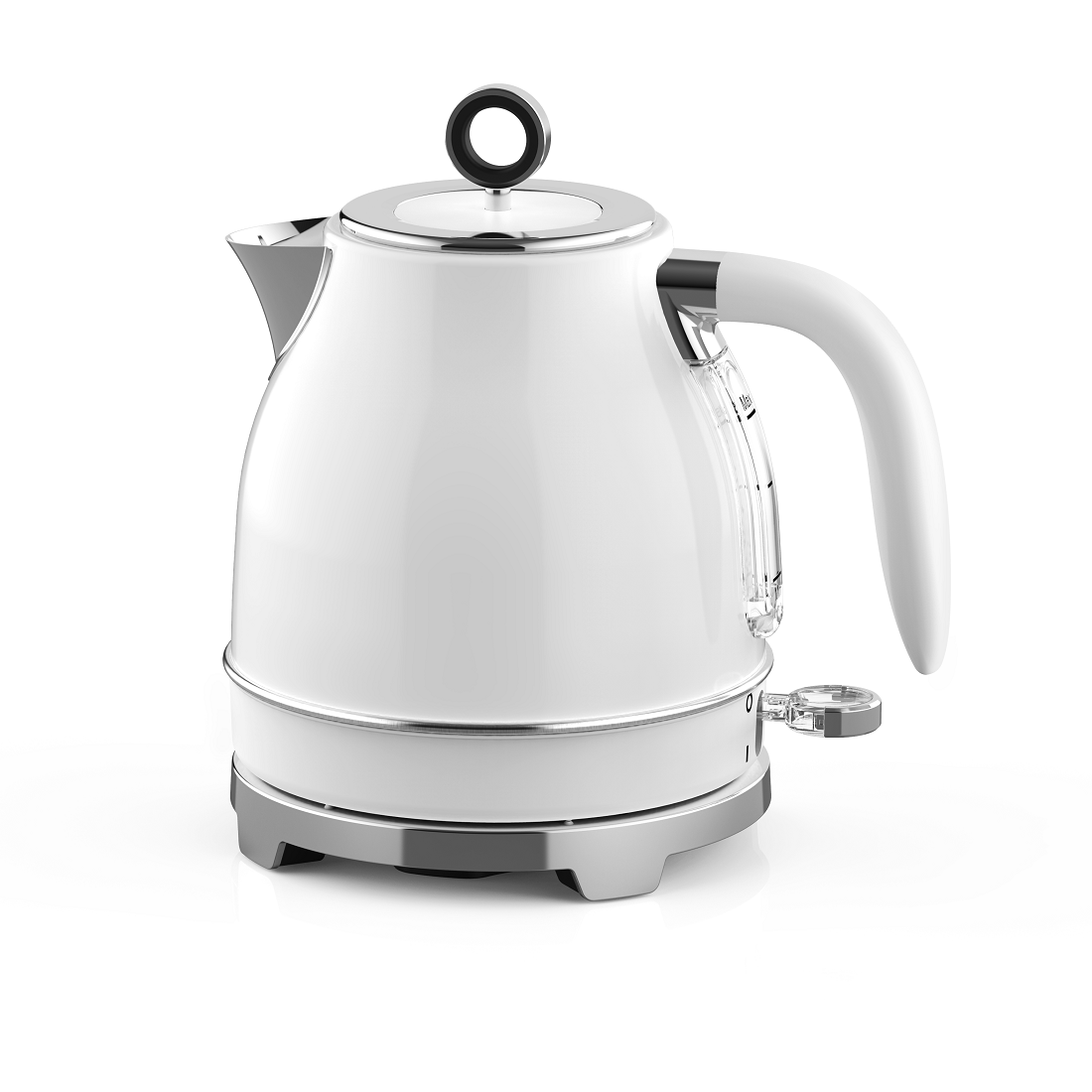
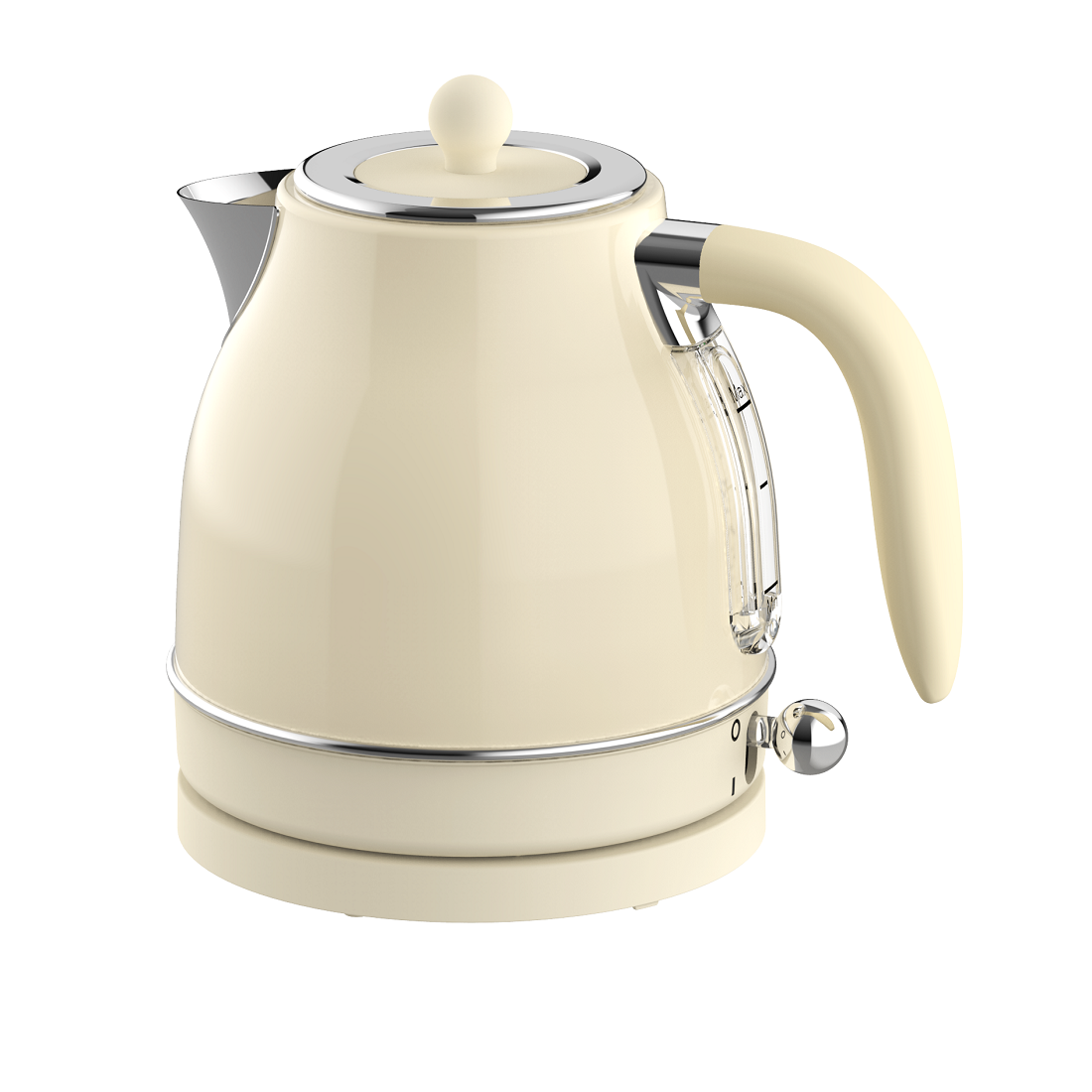
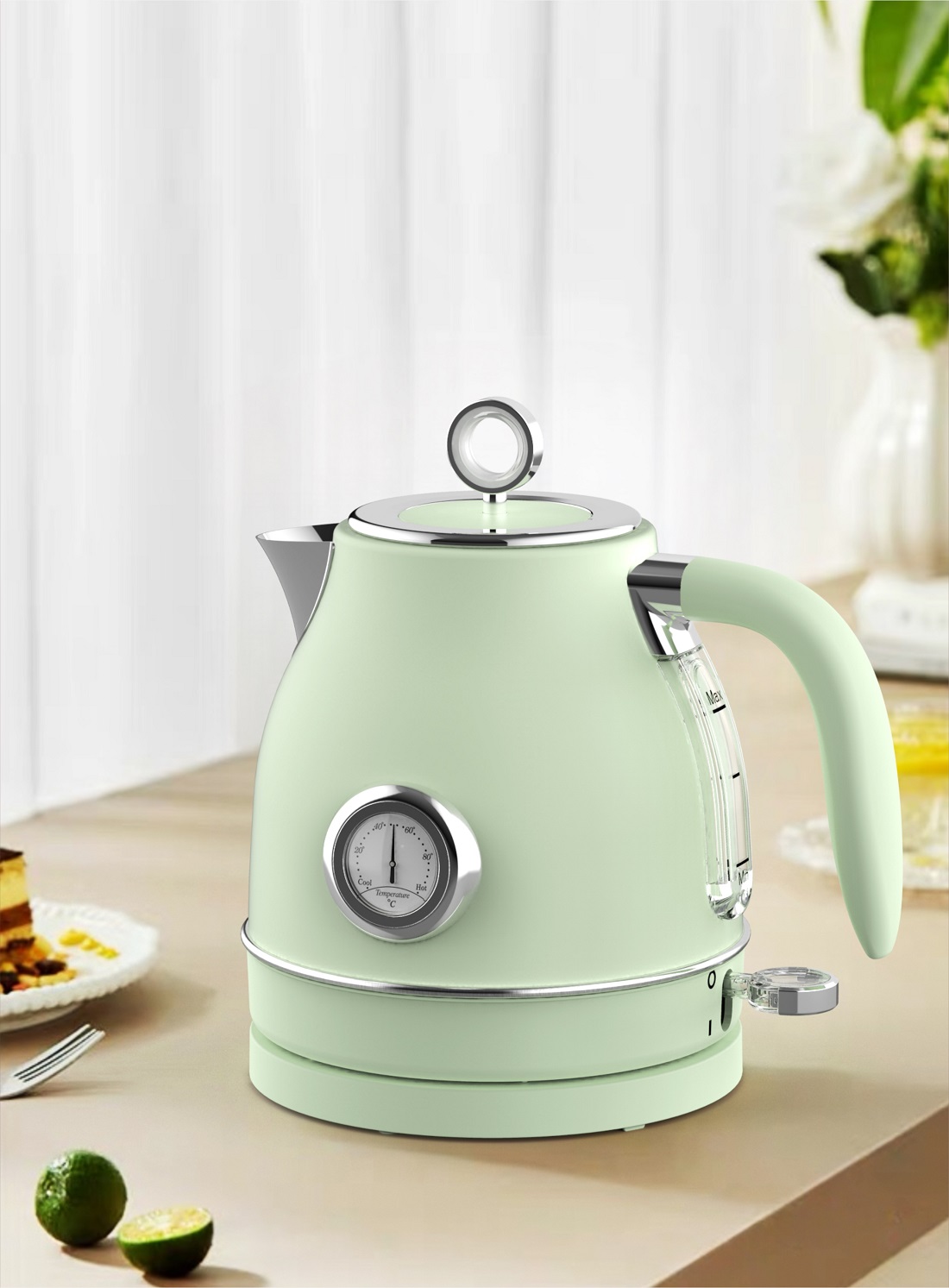
As a professional Jiangmen‑based electric kettle OEM/ODM manufacturer, Bestone supports one‑stop wholesale and customization of stainless steel and high‑borosilicate glass electric kettles, fully adapting to the 2025 market demand shift:
- Dual material full certification: Both stainless steel and glass series pass SGS, TUV, LFGB, FDA food‑grade safety testing, meeting global export standards.
- Commercial & premium dual positioning: Stainless steel models focus on commercial durability; glass models focus on high‑end health aesthetics, matching different buyer groups.
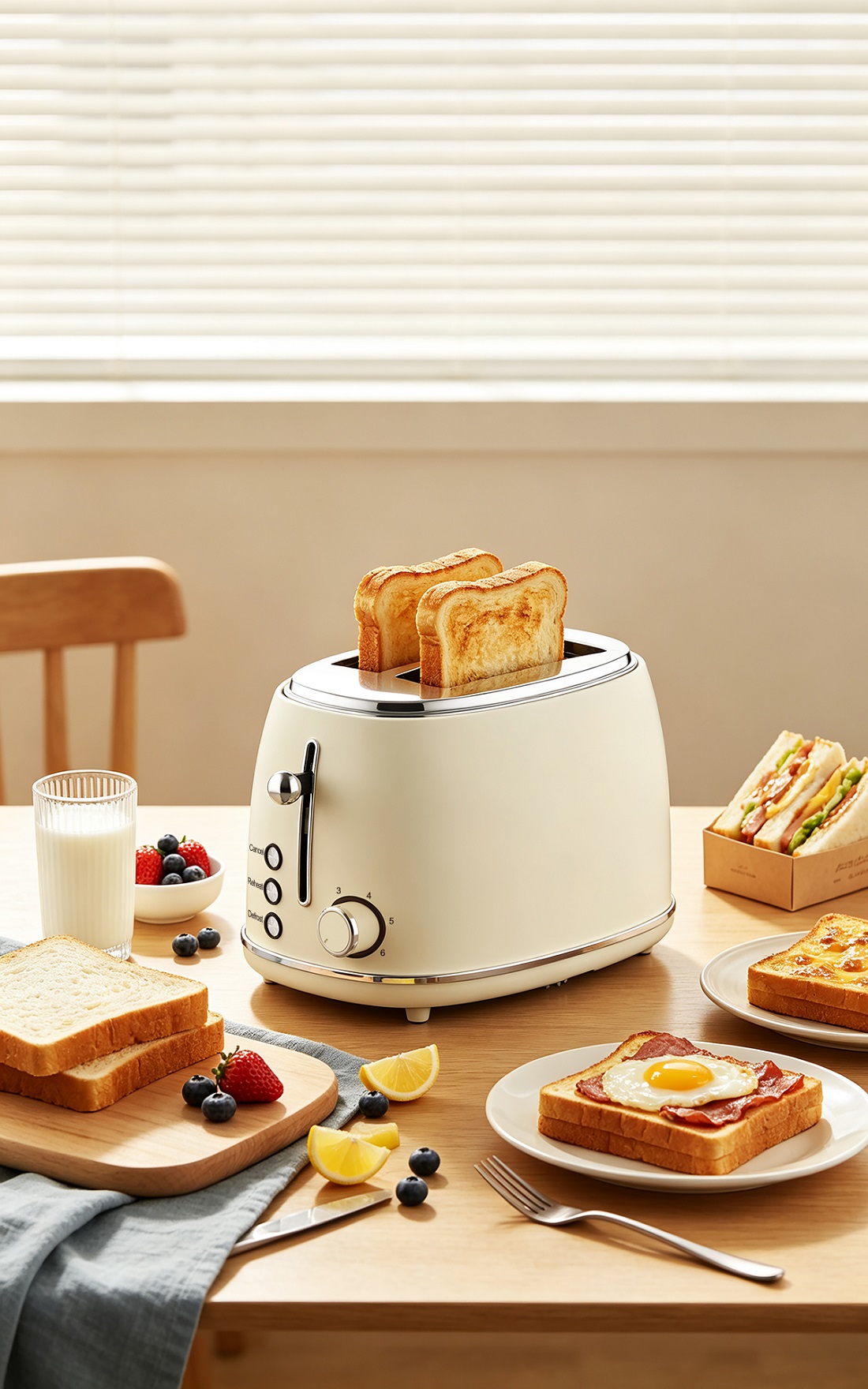
- Mixed container support: Support mixed loading of stainless steel kettles, glass kettles, toasters and blenders to reduce wholesale logistics costs.
- Flexible private label customization: Support LOGO, packaging, color, function parameter OEM deep customization for retail brand premium layout.

Conclusion
The global electric kettle market is undergoing an obvious structural upgrade: stainless steel kettles stabilize the basic commercial and mass market, while glass kettles lead the incremental premium market growth. For 2025–2026 global wholesale buyers, single material layout is no longer competitive. Only by covering both durable stainless steel and healthy glass high‑margin products can we adapt to market demand changes and maintain long‑term stable profitability.
Authoritative Reference Sources (Verifiable & Non‑Fictional)
- Mordor Intelligence, Electric Kettle Market Size & Share Analysis Report 2025–2031
- Dataintelo, Global Electronic Kettle Market Growth Trend Report 2025
- PW Consulting, Worldwide Electric Teapot Market Official Data 2025
- Fortune Business Insights, Electric Kettle Industry Segmentation Data 2026
- Straits Research, Electric Kettle Market Value & Growth Rate Statistics 2025
- China Household Electrical Appliances Association, 2025 Small Kitchen Appliance Industry Upgrade Report

Rising Demand for Temperature controlled Electric Kettles: Opportunities for Private label Brands
How To Clean & Maintain A Toaster To Extend Service Life