How B2B Buyers Evaluate Electric Kettles: Sourcing Checklist for Retail & Private‑Label Projects
How B2B Buyers Evaluate Electric Kettles: Sourcing Checklist for Retail & Private‑Label Projects
The global electric kettle market keeps expanding, and private‑label solutions are gaining larger market share across Europe, North America and Southeast Asia. Market research shows the global electric kettle market will register a 4.96% compound annual growth rate from 2026 to 2031, with private‑label SKUs driving much of this growth. Many retail distributors and brand owners focus only on unit price and appearance when sourcing, ignoring material traceability, safety validation and factory real‑world capacity. Industry test statistics show roughly 40% of cross‑border small‑kitchen‑appliance disputes stem from incomplete pre‑order evaluation, leading to customs detention, high return rates and brand losses.
This article builds a complete evaluation framework for B2B buyers working on retail resale and private‑label electric‑kettle projects. It covers material safety, electrical performance, market compliance, supplier customisation capability and pre‑shipment inspection, delivering a practical sourcing checklist for real‑world procurement work.
1. Evaluate Food‑Contact Material Safety
Material safety is the highest‑priority assessment item for electric kettles, directly linked to regulatory compliance and consumer complaint rates. Many low‑cost suppliers use ordinary steel for outer shells while only the inner liner uses food‑grade material; buyers must separate shell appearance from wetted‑part material performance.
For stainless‑steel kettles, mainstream retail‑grade products adopt 304 food‑grade stainless steel, while premium private‑label lines select 316L stainless steel for better hard‑water corrosion resistance. All water‑contact components need to meet standard migration requirements for food contact materials. For glass‑body units, buyers need third‑party reports for high‑borosilicate glass covering thermal‑shock resistance and heavy‑metal precipitation.
All plastic parts touching steam or hot water, including lids, sealing rings and water‑window panels, must adopt BPA‑free food‑contact resin complying with international food‑contact plastic standards. Poor‑quality plastic will release odours and chemical substances after repeated boiling cycles, pushing up retail return rates significantly. Buyers should request material‑test reports specifically for internal wetted components, rather than general‑purpose product brochures.
2. Assess Electrical Safety and Core Component Performance
Electrical safety determines product failure risk and user‑hazard probability. Global baseline safety requirements for liquid‑heating appliances follow widely‑accepted IEC household appliance safety standards, which most national certification schemes are built upon.
The thermostat is the most critical core component. Qualified export‑oriented factories widely deploy well‑known thermostat brands such as Strix and Otter, equipped with dual‑protection structures: main thermostat plus non‑resettable thermal fuse to realise reliable dry‑boil power‑off protection.
When testing samples, B2B buyers should verify these key performance points: boiling speed matching target‑market voltage (110V or 220‑240V), accuracy of auto‑shut‑off trigger, dry‑boil response, full‑fill anti‑leakage performance, ground continuity and insulation withstand‑voltage capacity. Without sample verification, buyers cannot rely purely on supplier verbal descriptions.
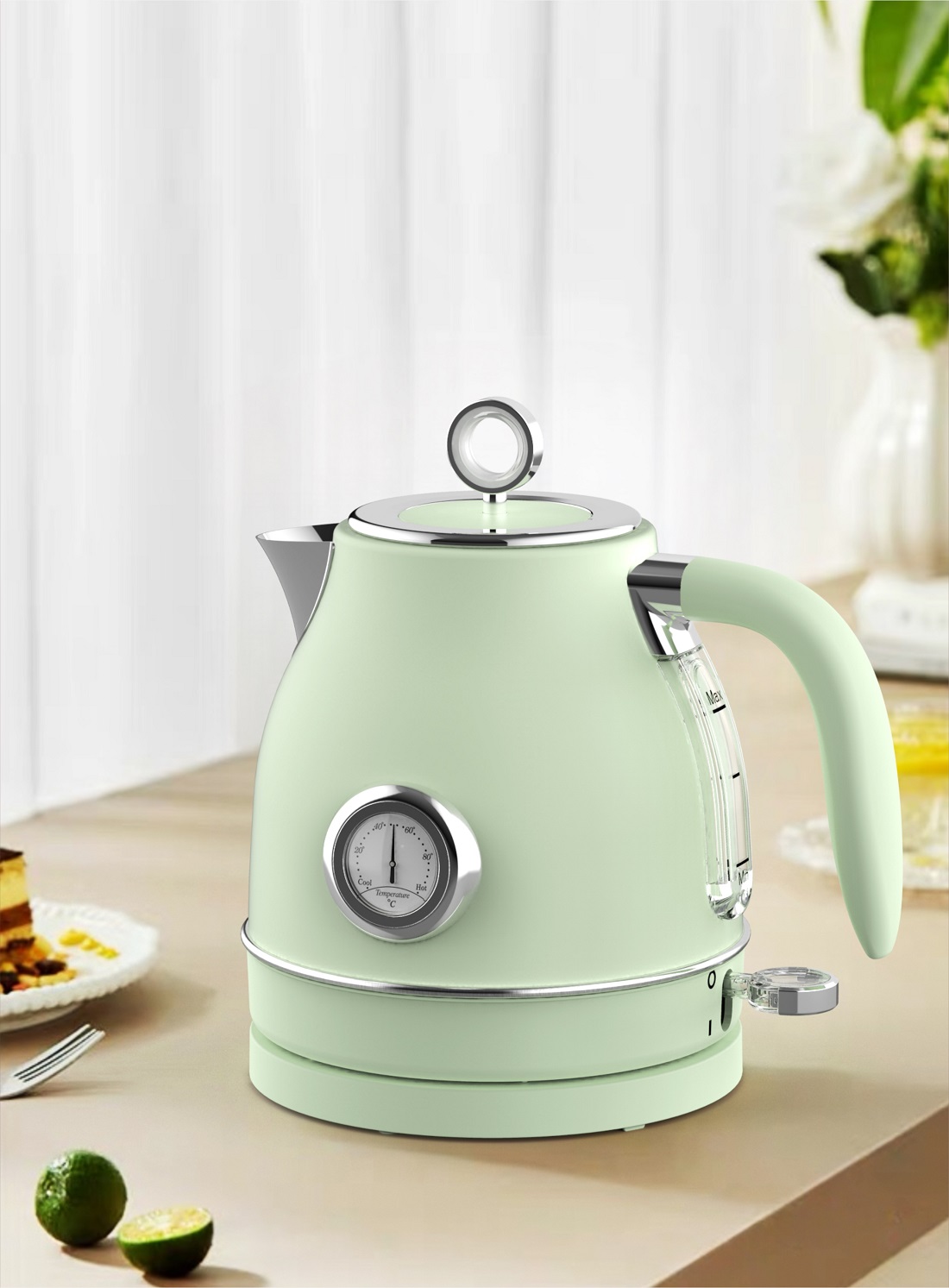
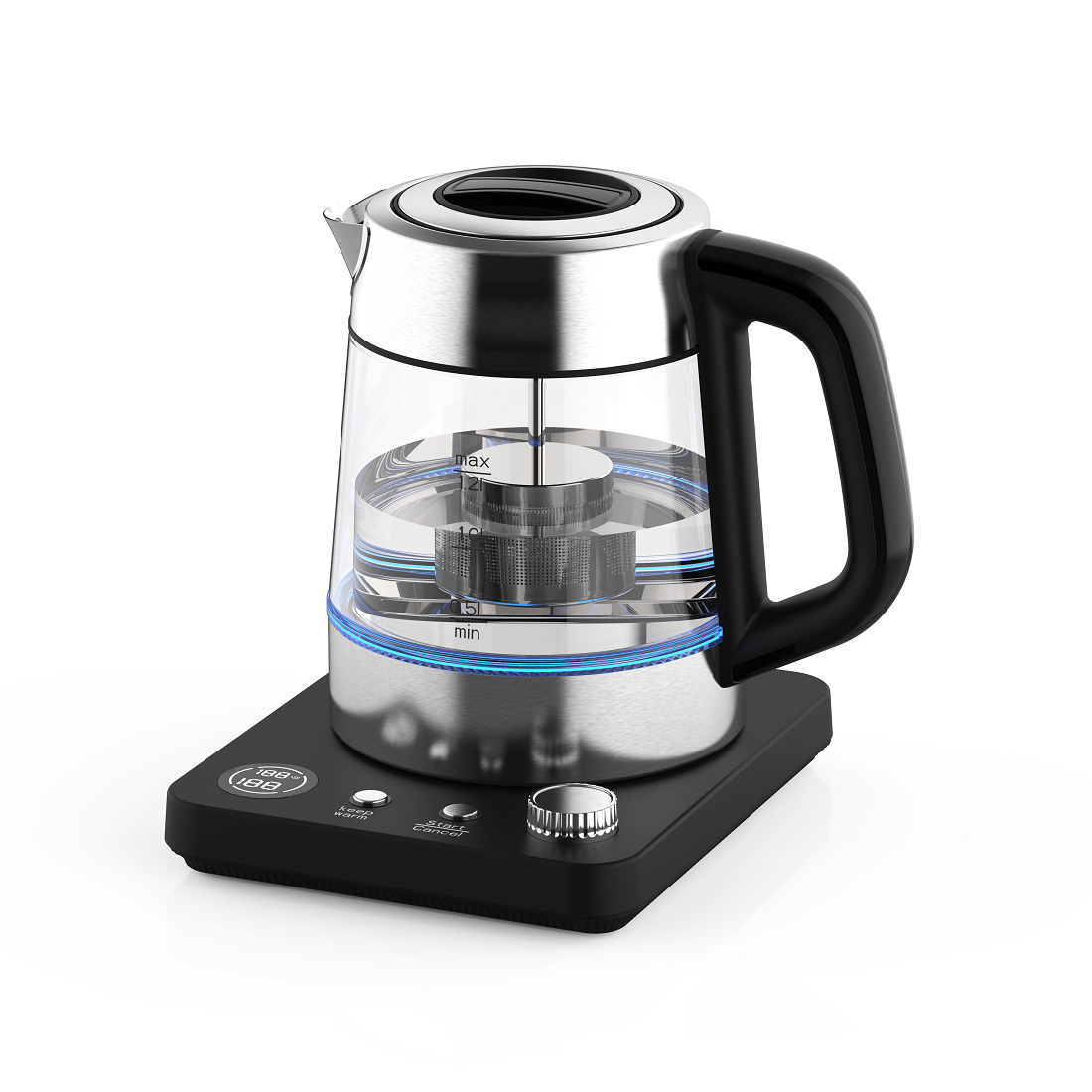
Function configuration also needs alignment with retail positioning. Mass‑market retail items focus on basic auto‑shut‑off and dry‑boil protection with mainstream 1.5‑1.7L capacity. Mid‑to‑high‑end private‑label projects may add temperature control, keep‑warm modes and LED indicators. Buyers also need to follow updated regional rules, for example the EU 0.5W standby‑power limit effective May 2025 for small household appliances.
3. Verify Regional Market Compliance
A common mistake among new importers is mixing appliance‑safety certification and food‑contact‑material testing. These belong to two independent regulatory systems; one certificate cannot substitute for the other. Buyers need to check document authenticity against official‑issuer databases, instead of only reviewing PDF files provided by suppliers.
For European Union markets, products require CE‑LVD certification, alongside RoHS 3 and WEEE‑EPR environmental obligations. Food‑contact materials must satisfy EU food‑contact regulations; German retail channels frequently demand extra LFGB testing.
United States and Canada markets require UL or ETL electrical‑safety certification, plus FDA‑compliant food‑contact components. Goods sold in California need Proposition 65 hazard warnings where applicable. India implemented mandatory BIS certification for electric kettles starting March 2026. Southeast Asian markets apply national certifications such as PSB and TISI derived from IEC standards, together with local MEPS energy‑efficiency requirements. Missing any mandatory compliance item will result in customs hold‑up or retail‑channel rejection.
4. Audit Supplier Capacity for Retail and Private‑Label Projects
Compared with standard wholesale orders, private‑label projects place higher requirements on factory customisation ability, quality stability and delivery predictability. Buyers need to clarify customisable scope, MOQ, mould‑opening cost and lead‑time before formal cooperation.
General industry MOQ references: stock standard‑model MOQ sits at 500‑1000 units; full‑custom private‑label projects usually require 1500‑3000 units, subject to factory policy. Confirm whether the factory supports logo printing, custom‑coloured shells, bespoke gift‑box packaging and multi‑language user manuals. If ODM new‑mould development is needed, clarify development cycle and intellectual‑property ownership clauses.
Prioritise manufacturers with in‑house laboratory capacity. Factories able to complete hipot‑voltage tests, dry‑boil ageing tests and leakage‑current tests internally can better control defective rates. Buyers should review factory‑internal QC workflows covering incoming‑material inspection, semi‑finished‑product testing and finished‑product ageing validation. Stable re‑order rate from existing brand clients serves as practical auxiliary evidence of supplier reliability.
5. Final‑Stage Pre‑Shipment Inspection Checklist
Pre‑shipment inspection acts as the last risk‑defence step for bulk orders. Professional B2B buyers apply AQL‑standard random sampling for large‑volume shipments. Key inspection items include water‑leakage check, lid‑sealing performance, auto‑shut‑off temperature accuracy, surface‑finish quality, assembly consistency and packaging robustness.
Even when samples pass all tests, mass‑production inconsistency may appear. Skipping pre‑shipment inspection often leads to large‑batch quality problems discovered only after goods arrive at destination ports.
Conclusion
Evaluating electric kettles as a B2B buyer is a systematic procedure combining material safety, electrical‑safety performance, cross‑market compliance, supplier capability and pre‑shipment quality control. For retail distributors and private‑label brand operators, simple price comparison cannot guarantee stable long‑term business success. Setting up standardised sourcing evaluation mechanisms, requesting valid test reports and completing sample verification before mass‑order placement will effectively reduce cross‑border‑sourcing risks, lower after‑sales rates and support sustainable brand growth.
Reference (Data & Standard Sources)
- Mordor Intelligence. Global Electric Kettle Market Size & Share Analysis 2026‑2031. 2026: market CAGR and regional regulatory overview
- IEC Standard Publications: IEC 60335‑1:2022 Household appliance safety; IEC 60335‑2‑15:2024 Particular requirements for liquid‑heating appliances
- EU Official Regulations: EU 1935/2004, EU 10/2011; Ecodesign standby‑power requirement May 2025; RoHS 3 & WEEE‑EPR rules
- US FDA 21 CFR food‑contact‑material provisions; UL 1082 safety standard for electric kettles
- India BIS official notice for mandatory electric‑kettle certification effective March 2026
- Global small home‑appliance third‑party‑lab industry summary 2025: cross‑border sourcing dispute statistics and common failure modes
What End‑Users Care About Most for Electric Kettles: Help Your Product Win Higher Reorder Rates
Electric Kettle Manufacturing: Key Material & QC Standards for Global Wholesale Markets