What End‑Users Care About Most for Electric Kettles: Help Your Product Win Higher Reorder Rates
What End‑Users Care About Most for Electric Kettles: Help Your Product Win Higher Reorder Rates
Published on jmbestone.cn
For wholesale distributors and private‑label brand operators, sales volume is only one part of business success. High re‑order rates and low product‑return rates represent real market recognition for electric‑kettle products. Many B2B buyers focus excessively on appearance and unit‑price competition, while overlooking what real end‑users value most. According to global small‑home‑appliance consumer‑survey data, more than 60% of repeat‑purchase willingness and negative reviews originate from several consistent user‑concerned dimensions.
End‑user demands for electric kettles are not only about boiling water quickly. Consumers weigh material safety, core functional reliability, daily‑use convenience, real‑world durability and reasonable user experience together. This article sorts out five major dimensions of genuine end‑user concerns, combining industry consumer‑research statistics, to provide actionable product‑optimization suggestions for retail and private‑label sourcing projects.

1. Food‑Contact Material Safety Is the Top‑Level User Concern
Material safety ranks first among end‑user worries for electric kettles, according to multiple global consumer‑insight reports. Many negative online reviews stem from plastic odour, suspected metal precipitation and inner‑tank rust problems after short‑term use. Even if a product works perfectly functionally, poor‑quality wetted‑part materials will destroy user trust completely.
Consumers pay special attention to inner‑tank material rather than outer‑shell decoration. For stainless‑steel models, end‑users favour verified 304 or upgraded 316L food‑grade stainless steel. For glass‑type kettles, high‑borosilicate glass is widely preferred. All steam‑contact plastic components including lids, sealing rings and water‑view windows must be BPA‑free food‑grade resin.
Industry consumer‑feedback statistics show that material‑related complaints account for roughly 34% of total negative reviews for electric kettles sold on cross‑border e‑commerce platforms. Products with clear, verifiable food‑grade‑material marking effectively lower complaint probability and build pre‑condition for higher re‑order rates. When developing private‑label projects, suppliers should provide complete material‑test evidence matching the actual product, instead of only general marketing descriptions.

2. Reliable Core Safety & Functional Performance Determines Long‑Term Satisfaction
After material safety, stable functional performance decides whether users will recommend the product or repurchase when replacement is needed. End‑user‑complaint datasets indicate that failure of auto‑shut‑off, ineffective dry‑boil protection and abnormal heating belong to the most frequent hardware‑related grievances.
Qualified export‑grade electric kettles adopt dual‑protection mechanisms with trusted‑brand thermostats plus non‑resettable thermal fuses, complying with IEC household‑appliance safety standards. End‑users expect accurate auto‑shut‑off upon full boiling, valid dry‑boil power‑off protection, stable boiling speed matching marked wattage, and no water leakage under full‑fill conditions.
Many low‑cost products look identical on shelf, yet suffer performance drift after dozens of usage cycles. Consumers do not notice defects within the first several uses; problems appear after one‑to‑three‑month daily use, which triggers post‑purchase negative feedback and low re‑purchase willingness. For B2B buyers, sample testing cannot only check new‑product status; simulated long‑term ageing testing results should also be reviewed before mass‑order placement.

3. Daily‑Use Convenience & Maintainability Directly Affect User Experience
A large share of post‑sale dissatisfaction comes from poor daily‑usability rather than serious hardware breakdown. Modern household and hotel end‑users attach great importance to cleaning‑friendliness and simple operation.
Key convenience‑oriented points valued by consumers include: wide‑mouth opening for easy descaling and residue removal, easily detachable anti‑scale filter, reasonable cord‑storage design, moderate kettle weight for pouring, clear capacity marking and acceptable noise level during boiling. In hard‑water‑prevalent regions, difficulty in removing limescale is one of the recurring user‑complaint topics.
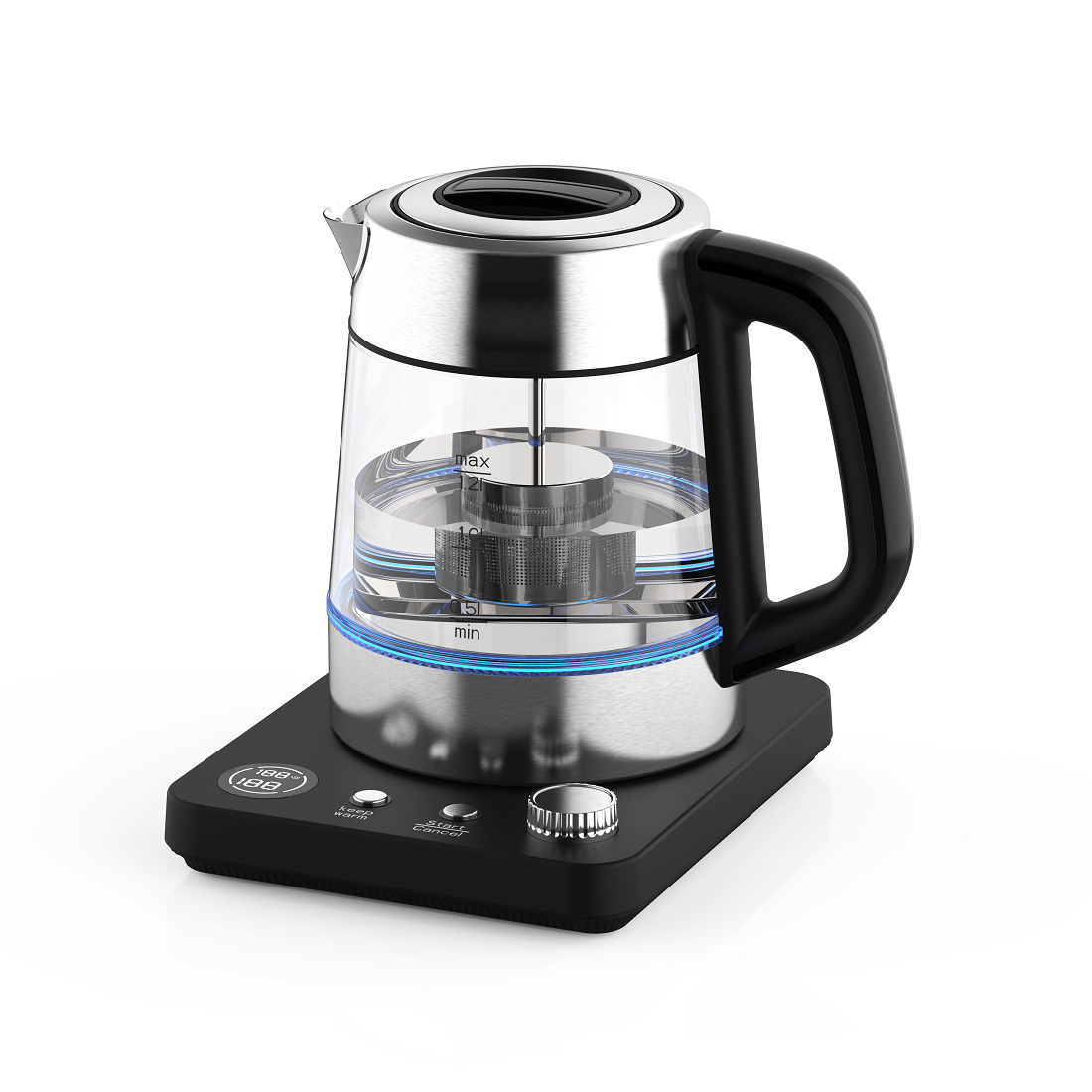
For temperature‑control‑series kettles, end‑users require intuitive operation panels instead of overly‑complicated smart settings. Over‑complex functions raise failure risks without bringing actual benefits for mainstream‑market consumers. Industry retail data demonstrates that products with user‑centred easy‑clean design achieve 21% higher average favourable‑review scores than comparable‑spec hard‑to‑clean models.

4. Real‑World Durability Under Daily‑Scene Conditions Influences Repurchase Intention
End‑user perceived durability is different from laboratory‑test‑data indicators. Consumers judge durability based on real‑life scenarios: frequent water‑pouring action, accidental minor knocks, repeated heating‑cooling cycles and regular descaling operations.
Many buyers only focus on short‑term sample performance while ignoring long‑term wear‑and‑tear risks of handles, lids, spouts and base contact terminals. Consumer‑survey data shows that users expect a qualified household electric kettle to serve for 2‑4 years under normal usage. If obvious faults emerge far before expected service life, users will not choose the same brand when they need replacement.
For hotel‑commercial scenarios, durability requirements become stricter due to higher‑frequency anonymous‑user operation. When sourcing for commercial‑oriented SKUs, B2B buyers should pay attention to enhanced structural parts rather than merely decorative appearance upgrades.

5. Reasonable Appearance‑to‑Value Balance, Not Blind Pursuit of Excessive Decoration
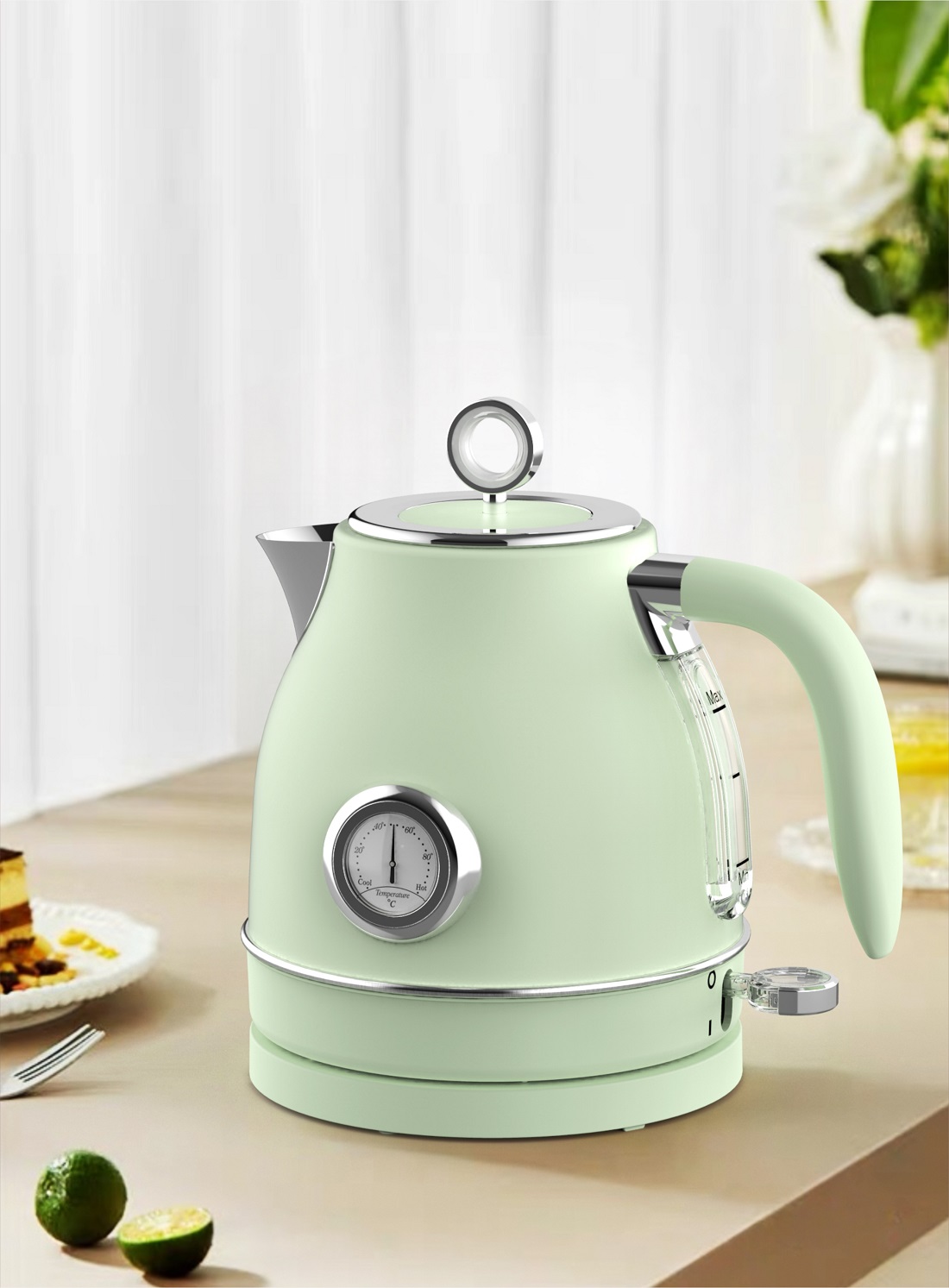
Appearance drives first‑click conversion for online retail listings, yet it cannot sustain re‑order behaviour. Global consumer research shows end‑users pursue balanced value: acceptable modern‑style appearance on the premise of qualified safety, performance and usability. Excessively fancy decorative structures may even bring hidden usability risks such as difficult‑to‑clean gaps or fragile ornamental components.
Different target‑market groups hold different aesthetic preferences. Mass‑market consumers favour concise, neutral‑colour appearances that match most kitchen‑environment styles. Premium‑segment users accept higher cost for differentiated texture and shape, but still treat safety and practical performance as bottom‑line requirements. For private‑label product planning, wholesale buyers should avoid over‑investing in decorative details at the cost of core‑component quality.

Conclusion: Translate End‑User Insights Into Better Wholesale & Private‑Label Products
High re‑order rates do not come from marketing tricks alone. They originate from matching product design with real‑world end‑user priorities: food‑contact‑material safety, reliable core‑safety‑function performance, convenient daily‑maintenance design, practical scene‑adapted durability and balanced appearance‑value positioning.
For B2B wholesale and private‑label buyers, understanding end‑user pain‑points helps to set clear product‑specification requirements during factory‑sourcing phase, effectively reducing return rates, improving favourable‑review proportion and building solid foundation for repeat sales and brand growth.

Reference (Data & Standard Sources)
- Mordor Intelligence, Global Electric Kettle Consumer Behaviour Report 2026
- IEC Standard Publications: IEC 60335‑1:2022, IEC 60335‑2‑15:2024 household liquid‑heating‑appliance safety specifications
- Cross‑border e‑commerce aggregated consumer‑feedback statistics for small kitchen appliances, 2025
- Straits Research, Electric Kettle End‑User Demand Segmentation Analysis 2026
- Global retail small‑appliance return‑cause statistical summary 2025‑2026
Toaster Production Insights: Core Technical Points to Solve Uneven Toasting
How B2B Buyers Evaluate Electric Kettles: Sourcing Checklist for Retail & Private‑Label Projects