How Does In-House Manufacturing Help Kitchen Appliance Brands Reduce Sourcing Risks?
Choosing a kitchen appliance manufacturer is about much more than comparing product prices. For importers, wholesalers, distributors, and private-label brands, the reliability of a supplier's manufacturing system can directly affect product consistency, order coordination, customization, and long-term business relationships.
A supplier that manages several important production stages internally may offer buyers better communication between processes and closer coordination during manufacturing. From tooling development and plastic injection molding to assembly and product testing, each stage plays a role in turning product requirements into finished appliances.
But what does in-house manufacturing actually mean in the small kitchen appliance industry? And why should buyers pay attention to a factory's internal production capabilities before placing an order?
In this article, we explore how an integrated manufacturing setup can support kitchen appliance sourcing, what buyers should evaluate, and how Bestone approaches its manufacturing operations.

1. Why Does In-House Manufacturing Matter When Choosing a Kitchen Appliance Supplier?
What Is In-House Manufacturing in the Small Appliance Industry?
In-house manufacturing means that a factory carries out certain production activities within its own manufacturing operation rather than relying entirely on external suppliers.
In the small kitchen appliance industry, these activities may include product engineering, tooling development, plastic injection molding, component preparation, assembly, and product testing. The exact scope varies from one manufacturer to another.
For example, a kitchen appliance factory may develop molds internally, manufacture selected plastic components, and assemble finished products at its own facility. Other components, such as motors, electronic controls, heating elements, or power cords, may still come from qualified external suppliers.
This distinction matters. A factory does not need to manufacture every single component itself to have meaningful in-house capabilities. What buyers should understand is which processes the manufacturer controls directly and which depend on outside partners.

How Is an Integrated Factory Different from a Trading Company?
A trading company generally focuses on sourcing products from manufacturing partners, coordinating orders, and managing communication between buyers and suppliers. This business model can be useful for buyers who need access to different product categories or sourcing services.
A manufacturer, on the other hand, may directly manage selected production activities, manufacturing personnel, equipment, and production schedules.
An integrated factory can connect several stages of production within one operation. When a tooling issue affects a plastic component, for example, the tooling and molding teams may be able to communicate directly about the problem.
However, buyers should not assume that every company describing itself as a manufacturer owns all its production resources. It is always worth asking which processes are performed in-house, which are outsourced, and how external suppliers are managed.

Why Do Manufacturing Capabilities Matter to Overseas Buyers?
For overseas buyers, production is often separated from their own offices, warehouses, and sales markets. This makes supplier communication and production visibility especially important.
When several manufacturing stages are coordinated internally, the factory may be better positioned to communicate changes, review production issues, and coordinate the next steps.
In-house capabilities can also help when buyers need product customization. Changes to appearance, plastic components, or assembly requirements may involve several production departments. Having relevant teams within the same manufacturing operation can make technical discussions more direct.
This does not automatically guarantee lower costs or shorter lead times. The actual result still depends on production planning, material availability, order complexity, and factory management. Nevertheless, understanding a supplier's manufacturing structure gives buyers a clearer basis for evaluating sourcing risks.
2. How Can In-House Mold Development Improve Product Customization?
Why Does Mold Design Affect the Final Product?
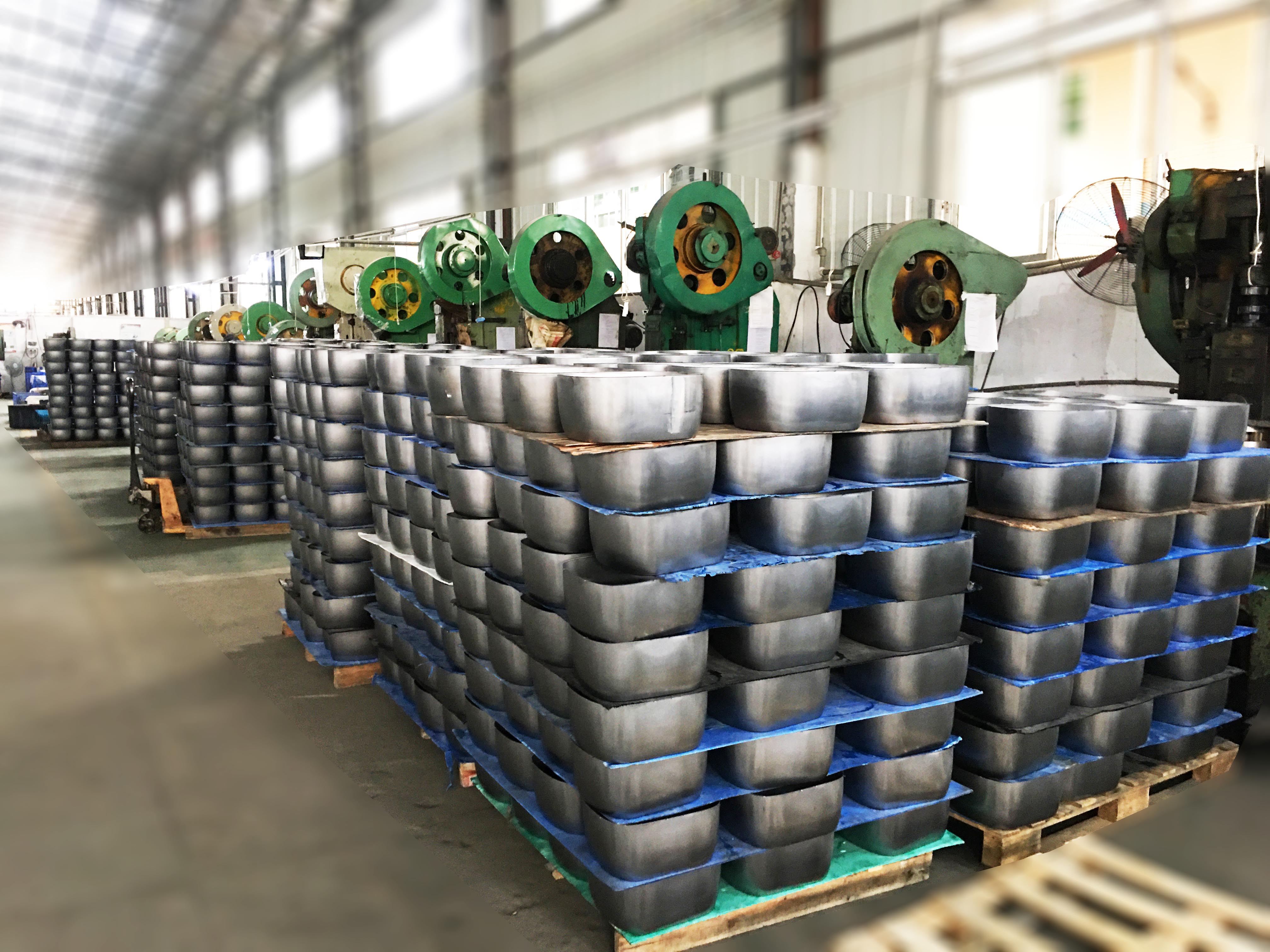
Molds are important tools in the production of many plastic components used in small kitchen appliances.
The design of a mold influences the shape, dimensions, surface details, and manufacturing characteristics of the component. For example, plastic housings, handles, covers, and internal structural parts may require dedicated tooling.
If a mold is not designed according to the component's functional and dimensional requirements, problems may appear during production. These can include dimensional variation, poor fitting, surface defects, or difficulty during assembly.
That is why mold development should consider more than the appearance of a part. Designers and manufacturing engineers also need to consider material characteristics, product structure, tooling requirements, and the next production stage.

How Does Custom Tooling Support Different Product Designs?
Different kitchen appliance models may require different housing shapes, dimensions, component structures, and assembly arrangements.
Custom tooling allows manufacturers to produce components according to an agreed product design. Depending on the project, buyers may need changes to the product's appearance, dimensions, structural details, or selected plastic components.
Before developing a new mold, buyers and manufacturers should clarify the product drawings, reference samples, material requirements, expected production volume, and ownership arrangements for the tooling.
These discussions help both parties understand the scope of customization before committing to tooling investment.
For brands planning a new product, it is also important to confirm whether the proposed design can be manufactured consistently and assembled efficiently.

How Can Internal Mold Development Improve Communication and Coordination?
When mold development and related production activities are managed within the same factory, communication between tooling and manufacturing teams can be more direct.
For example, if a molded component does not fit correctly during an assembly trial, the relevant teams can review the component dimensions, mold condition, and production process together.
This creates a closer feedback connection between tooling development and actual production requirements.
Bestone states on its official website that tooling design and development are among the production processes mainly carried out in-house. For buyers considering customized kitchen appliance projects, this is a useful capability to discuss during the product development stage.
3. What Advantages Does In-House Plastic Injection Molding Bring to Production?
How Are Plastic Components Made for Kitchen Appliances?
Plastic injection molding is a manufacturing process commonly used to produce plastic components with defined shapes and dimensions.
In a typical process, plastic material is heated until it becomes suitable for injection. The material is then injected into a mold cavity under controlled processing conditions. After cooling and solidification, the molded component is removed for further handling and inspection.
Small kitchen appliances may use injection-molded components for housings, handles, covers, control panels, and other structural parts, depending on the product design.
The appropriate material and processing conditions depend on the component's intended function, operating environment, appearance requirements, and applicable product standards.

Why Is Process Control Important for Component Consistency?
Injection-molded components need to meet the specifications established for the product.
Factors such as material selection, mold condition, processing temperature, injection pressure, cooling conditions, and machine settings can influence the final component.
If these factors are not managed appropriately, manufacturers may encounter problems such as dimensional variation, surface imperfections, deformation, or inconsistent fitting.
For kitchen appliance production, component consistency is important because individual parts must fit together during assembly. A plastic housing that differs from the approved dimensions, for example, may create difficulties when installing internal components or closing the product enclosure.
Manufacturers therefore need suitable process controls and inspection methods to check whether molded components meet the agreed requirements.

How Can In-House Injection Molding Support Production Flexibility?
When a factory carries out plastic injection molding internally, it may have more direct coordination between mold development, component production, and assembly.
This can be useful when a project requires adjustments to a plastic component or when manufacturing feedback indicates that a design needs further review.
For example, an assembly team may identify a fitting issue during production. The factory can then coordinate a review with the relevant tooling and molding personnel to investigate the cause.
The practical benefit depends on the factory's equipment, engineering resources, production schedule, and process management. Buyers should ask about the specific plastic components manufactured internally rather than assuming that every plastic part is produced at the same facility.

4. How Does Internal Production Coordination Help Reduce Manufacturing Delays?
Why Must Different Production Stages Work Together?
A kitchen appliance is usually made up of multiple components and subassemblies. Its production may involve plastic parts, metal parts, electrical components, heating systems, control units, wiring, and packaging materials.
These items must be available and compatible when the product reaches the relevant assembly stage.
If one component is delayed or does not meet the agreed specification, it may affect the production schedule. Similarly, a late design change can influence tooling, component preparation, assembly arrangements, and inspection requirements.
This is why manufacturing coordination is important. Production planning needs to consider the relationship between different processes rather than treating each department as an independent operation.

How Can Better Communication Reduce Outsourcing Delays?
When a production stage is outsourced, communication between the main factory and the external supplier becomes part of the manufacturing process.
The factory needs to communicate specifications, confirm schedules, receive components, and check whether delivered parts meet the agreed requirements.
Internal production can reduce some of these coordination steps for the processes actually performed in-house. For example, when tooling and molding are managed internally, the factory may be able to communicate more directly about mold-related production issues.
However, external sourcing remains common in appliance manufacturing. Motors, electronic components, controllers, packaging materials, and other items may still come from specialized suppliers.
The important question is not whether a factory outsources anything. It is whether the manufacturer understands its supply chain and manages the relevant risks effectively.
What Should Buyers Know About Production Scheduling?
Before placing an order, buyers should discuss the expected production schedule with the manufacturer.
A useful production discussion should cover:
-
Confirmation of the product model and specifications.
-
Availability of key materials and components.
-
Tooling readiness, where applicable.
-
Sample approval and any required design changes.
-
Planned production start and completion dates.
-
Inspection arrangements and packaging requirements.
-
Shipping preparation and document coordination.
Buyers should also clarify which events may affect the schedule, such as material shortages, public holidays, design revisions, or changes in order quantity.
A clear schedule does not eliminate every possible delay, but it gives both parties a better basis for communication and follow-up.
5. How Can a Factory Maintain Consistent Components Across Different Production Batches?
Why Do Component Specifications Need to Stay Consistent?
For importers and private-label brands, repeat orders are an important part of long-term product supply.
If components change significantly between production batches, the finished products may show differences in appearance, fitting, operation, or assembly quality.
For example, inconsistent plastic housing dimensions may affect the fit between two parts. Differences in material specifications may also influence product appearance or performance.
That is why manufacturers and buyers should agree on clear product specifications before mass production begins.
These specifications may include dimensions, materials, colors, component configurations, electrical ratings, appearance requirements, and other relevant characteristics.
How Do Standardized Processes Help Control Production Variations?
Standardized production instructions help workers and production teams follow agreed manufacturing requirements.
Depending on the product and factory system, these instructions may cover material identification, component preparation, assembly sequence, inspection points, and handling requirements.
Manufacturers may also use approved samples, drawings, inspection criteria, and production records as references.
For molded components, maintaining appropriate mold conditions and processing parameters can help reduce unnecessary variation. For assembly, clear work instructions help ensure that components are installed according to the agreed design.
The specific control methods should be appropriate to the product and its risks. Buyers can ask the manufacturer how product specifications are documented and how changes are communicated.

Why Is Consistency Important for Repeat Orders?
A product that meets expectations in the first order should also be evaluated for repeat-order consistency.
For distributors and retailers, differences between batches can create customer complaints, after-sales problems, and inventory management difficulties.
A reliable manufacturing arrangement should therefore include clear product specifications, approved reference samples, agreed inspection requirements, and a process for reviewing any changes to components or materials.
Buyers should also confirm whether the manufacturer can retain relevant product records and use the approved configuration as the reference for future orders.
Consistency is not simply a matter of using the same product name. It requires control over the specifications and production arrangements behind that product.

6. How Does In-House Assembly Improve Control Over Finished Products?
What Happens During Kitchen Appliance Assembly?
Assembly is the stage where individual components are brought together to form a finished appliance.
The exact process depends on the product. An electric kettle, for example, may involve a housing, inner container, heating element, base connection, control components, and power cord.
A toaster may involve a housing, heating elements, internal supports, control components, crumb tray, and other parts.
A blender may include a motor assembly, base housing, control interface, container, and blade assembly.
The assembly sequence and work requirements must follow the product design and relevant safety requirements. Incorrect component installation or poor connections can affect the finished product's function and reliability.

Why Does Assembly Coordination Affect Product Performance?
Assembly quality depends on how well components fit together and whether each part is installed according to the required specifications.
For example, an electrical connection must be made correctly. A moving part must be installed in the proper position. A housing must be assembled without creating unnecessary stress or damaging internal components.
When a factory manages assembly internally, its production team can work directly with relevant departments to communicate manufacturing issues.
If a recurring problem appears during assembly, the team can review whether it relates to component dimensions, material condition, assembly sequence, or work instructions.
This feedback is useful because the source of an assembly problem is not always the assembly operation itself. It may originate from an earlier production stage or a supplied component.

How Can Skilled Production Teams Support Stable Assembly?
Production workers need suitable training and clear instructions for the tasks they perform.
Depending on the product, assembly activities may require correct fastening, electrical connection, component positioning, sealing, and other operations.
A well-organized production process should define the required work sequence and relevant inspection points.
For buyers, useful questions include:
-
Are assembly instructions available for the product?
-
How are workers trained for product-specific operations?
-
How are assembly problems identified and reported?
-
What happens when a component does not meet the required specification?
These questions help buyers understand how the factory manages assembly rather than relying only on general statements about production experience.

7. How Does Factory-Based Testing Help Identify Production Problems?
Why Should Testing Be Integrated into the Manufacturing Process?
Testing is an important part of manufacturing because some product problems cannot be identified through appearance inspection alone.
A kitchen appliance may look complete but still have functional, electrical, or mechanical problems.
The appropriate testing requirements depend on the product design, target market, applicable regulations, and agreed customer specifications.
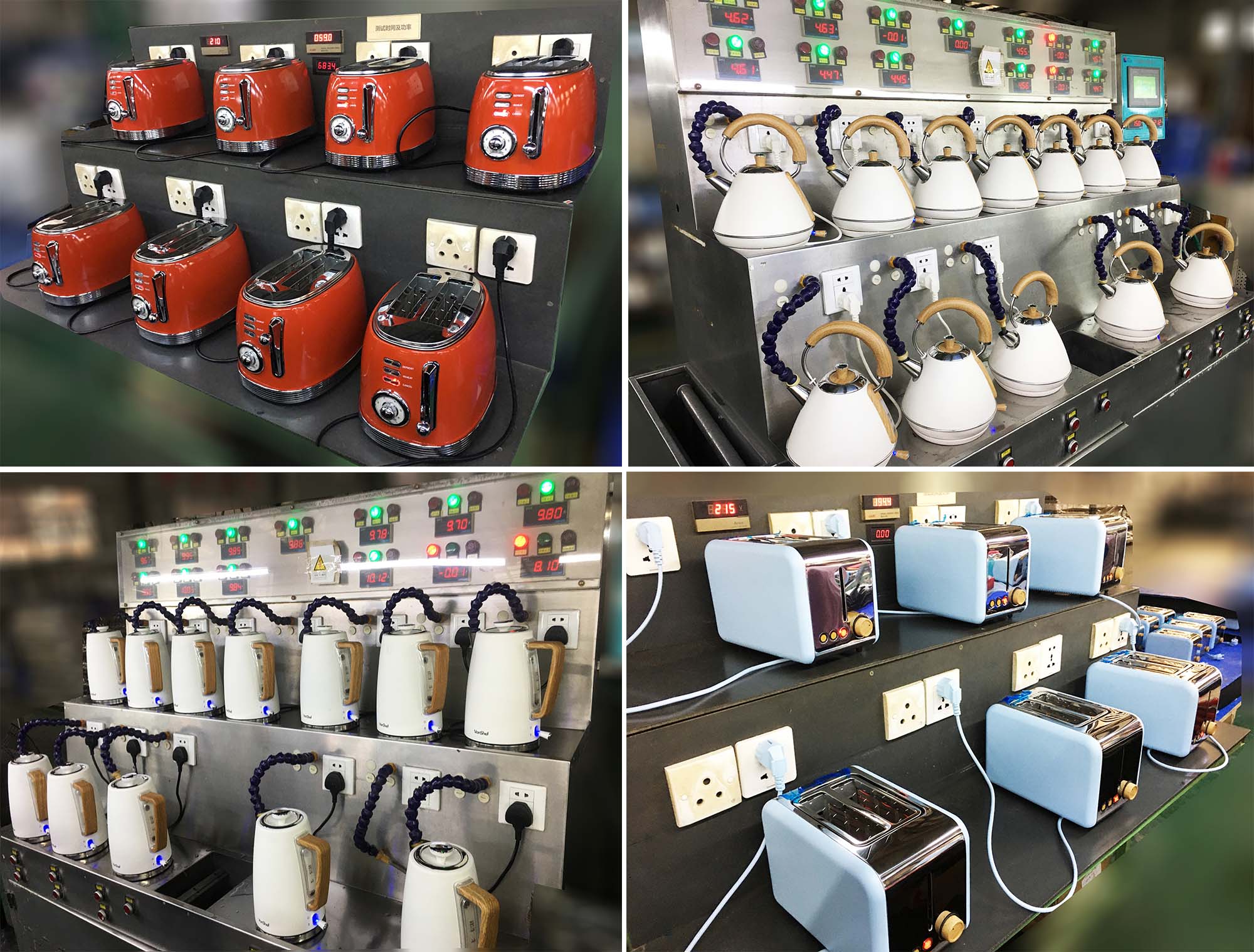
Testing may be performed at different stages, including component inspection, in-process checks, functional testing, and finished-product inspection.
The purpose is to identify relevant problems before products are released for shipment.
Which Product Functions Should Be Checked Before Shipment?
The inspection and testing plan should be designed for the specific product.
For example, relevant checks for an electric kettle may include power operation, heating function, automatic shut-off, and applicable safety-related requirements.
For a toaster, checks may involve heating operation, control functions, browning settings, and other product-specific features.
For a blender, relevant checks may include motor operation, control functions, blade assembly, and the correct operation of applicable safety features.
These are examples of possible product checks, not a claim that every manufacturer performs all of them on every unit.
Buyers should confirm the actual inspection scope, test methods, sampling arrangements, and acceptance criteria before mass production.
How Can Testing Feedback Help Improve Future Production Batches?
Testing results can provide useful information about manufacturing performance.
If a product repeatedly fails a particular check, the factory may need to investigate the relevant component, assembly step, material, or design requirement.
For example, a functional issue may be related to an electrical component, an incorrect connection, or a mechanical fitting problem.
A useful corrective process should identify the issue, investigate its possible cause, define corrective action, and verify whether the action has addressed the problem.
For B2B buyers, it is worth asking whether the manufacturer can provide relevant inspection records and explain how nonconforming products are handled.
A clear testing and corrective-action process is more meaningful than a general statement that all products are strictly tested.
8. How Can an Integrated Production System Support Different Kitchen Appliance Categories?
What Manufacturing Experience Is Needed for Electric Kettles and Toasters?
Electric kettles and toasters are both kitchen appliances, but their product structures and operating requirements are different.
An electric kettle generally involves a water container, heating system, electrical connections, control components, and safety-related functions.
A toaster involves heating elements, a bread chamber, mechanical or electronic control components, and a housing structure designed for its operating environment.
Manufacturers need to understand the specific requirements of each product category, including materials, component compatibility, assembly, and applicable safety requirements.
Experience in one product category should not automatically be treated as proof of expertise in every other category. Buyers should evaluate the manufacturer's actual product portfolio and relevant production experience.
How Do Blenders and Coffee Makers Add to a Factory's Production Portfolio?
Blenders and coffee makers introduce different manufacturing considerations.
A blender may involve motor-related components, a container, blades, control functions, and structural parts. A coffee maker may involve water-related components, heating systems, control elements, and other product-specific assemblies.
These products require their own specifications, production arrangements, and inspection requirements.
For buyers sourcing several kitchen appliance categories, working with a manufacturer that has experience across multiple product lines may simplify supplier communication and product coordination.
However, buyers should still confirm the manufacturer's capabilities for each requested model, including component sourcing, technical requirements, production availability, and relevant compliance documentation.
Why Is Multi-Category Manufacturing Useful for Importers and Distributors?
Importers and distributors often need more than one product category to serve their retail channels or local markets.
For example, a buyer may want to source electric kettles, toasters, blenders, and coffee makers for a coordinated product range.
A manufacturer with experience across several categories may provide a more convenient starting point for discussing product selection, customization, and order coordination.
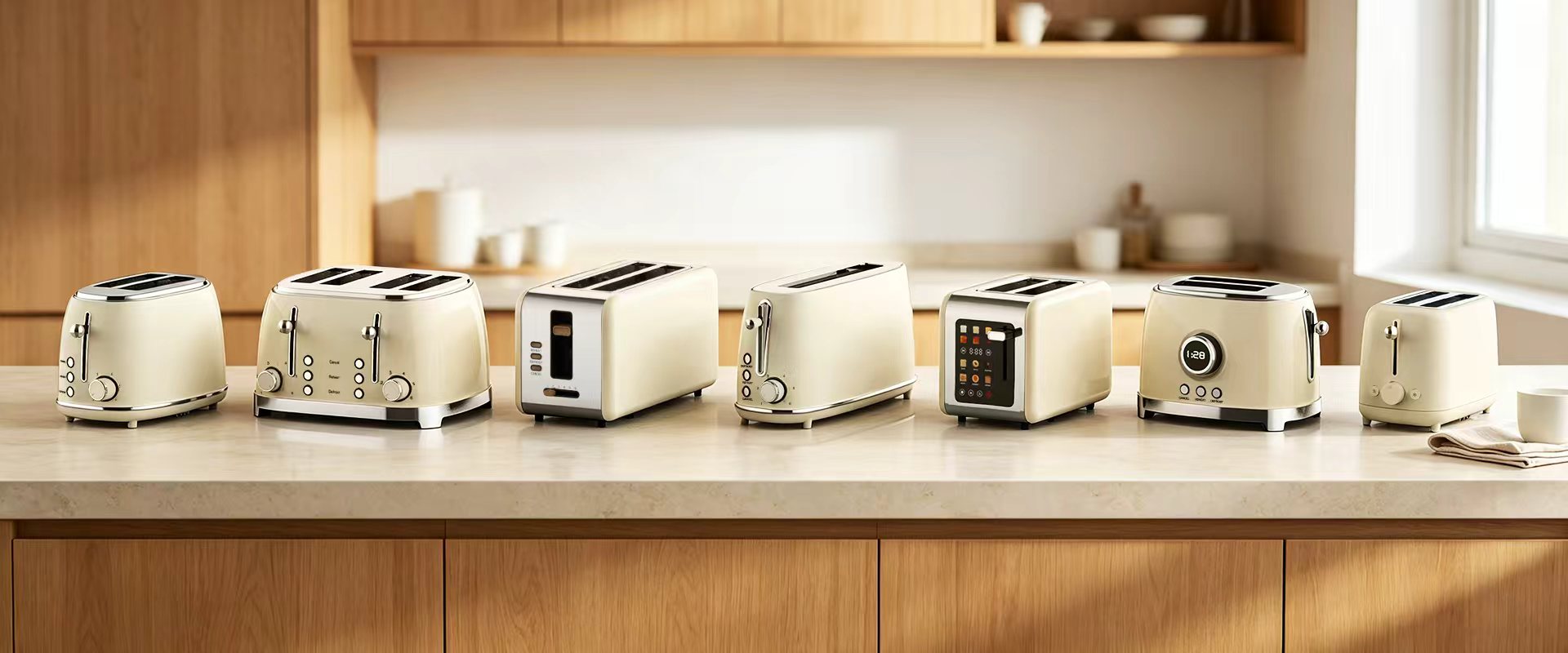
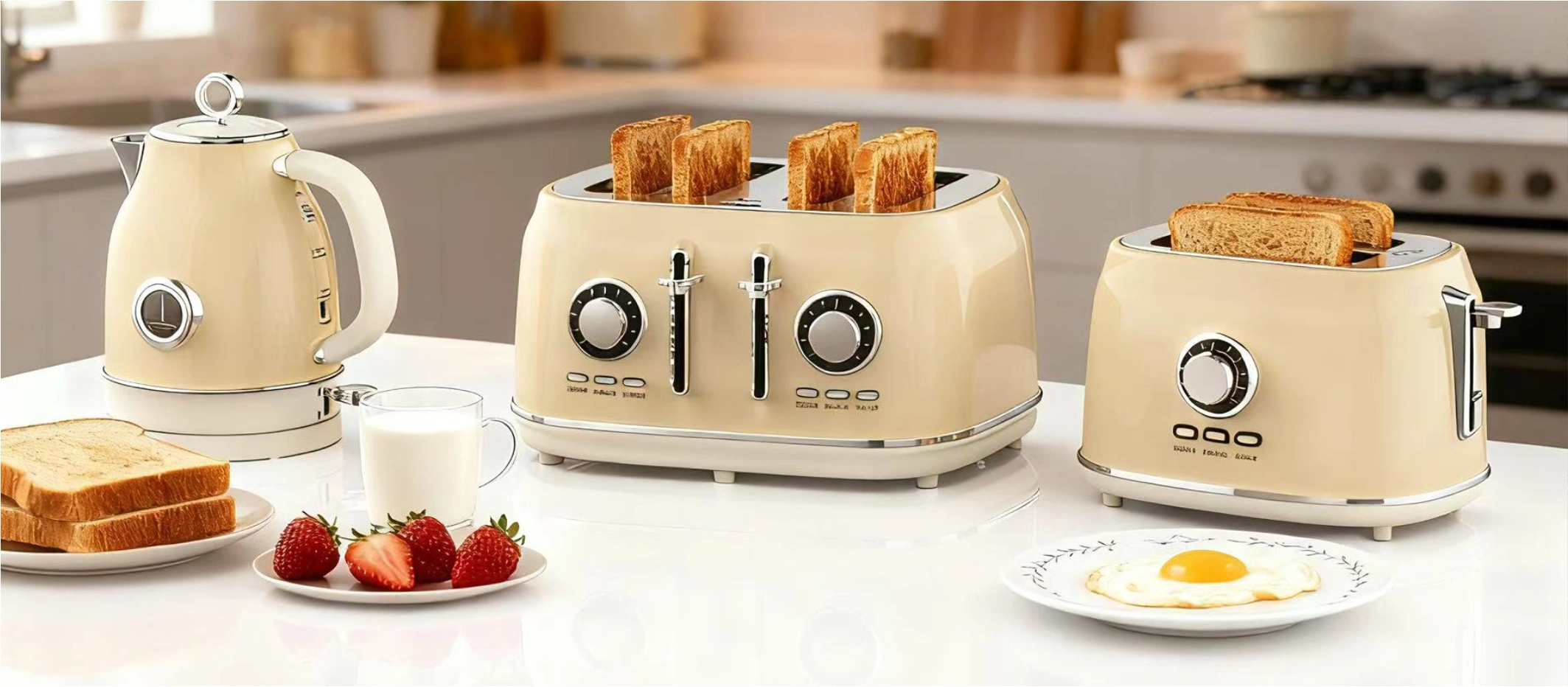
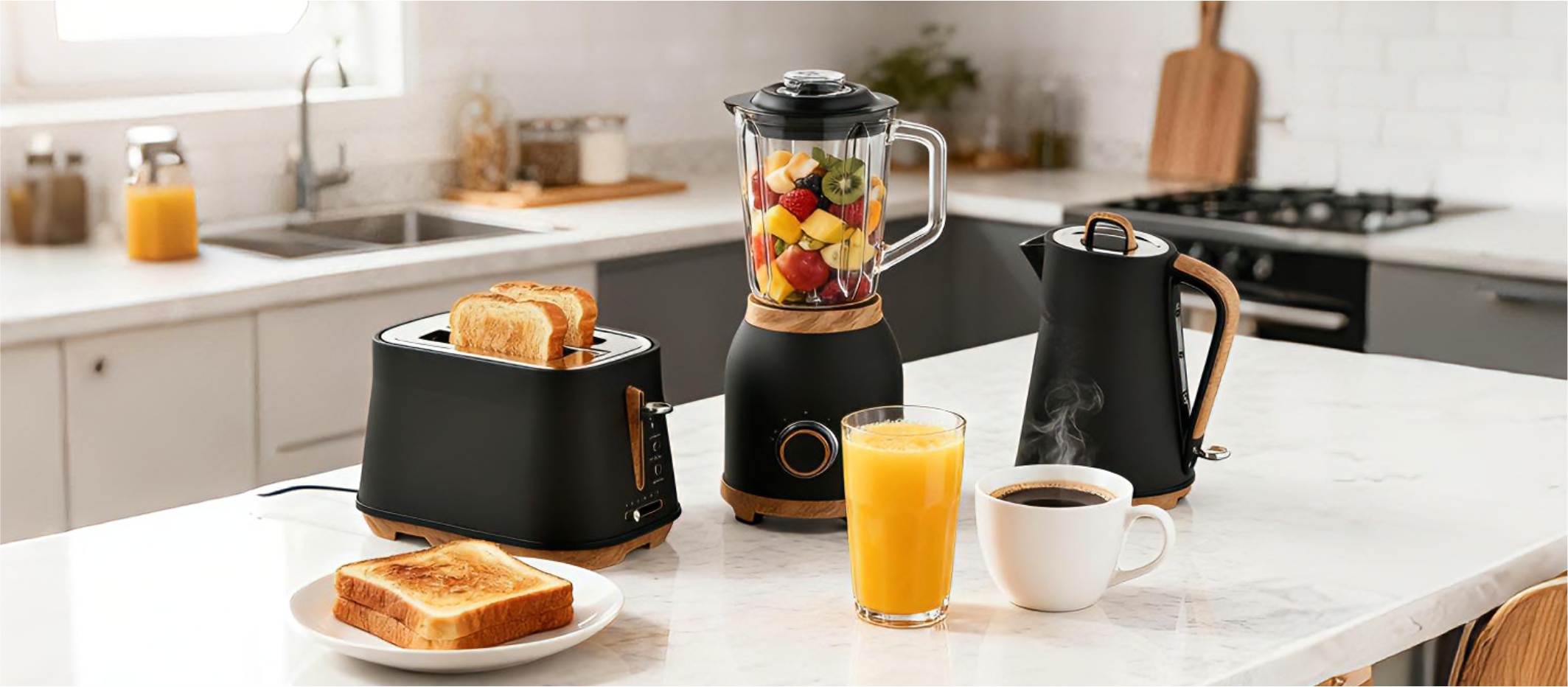
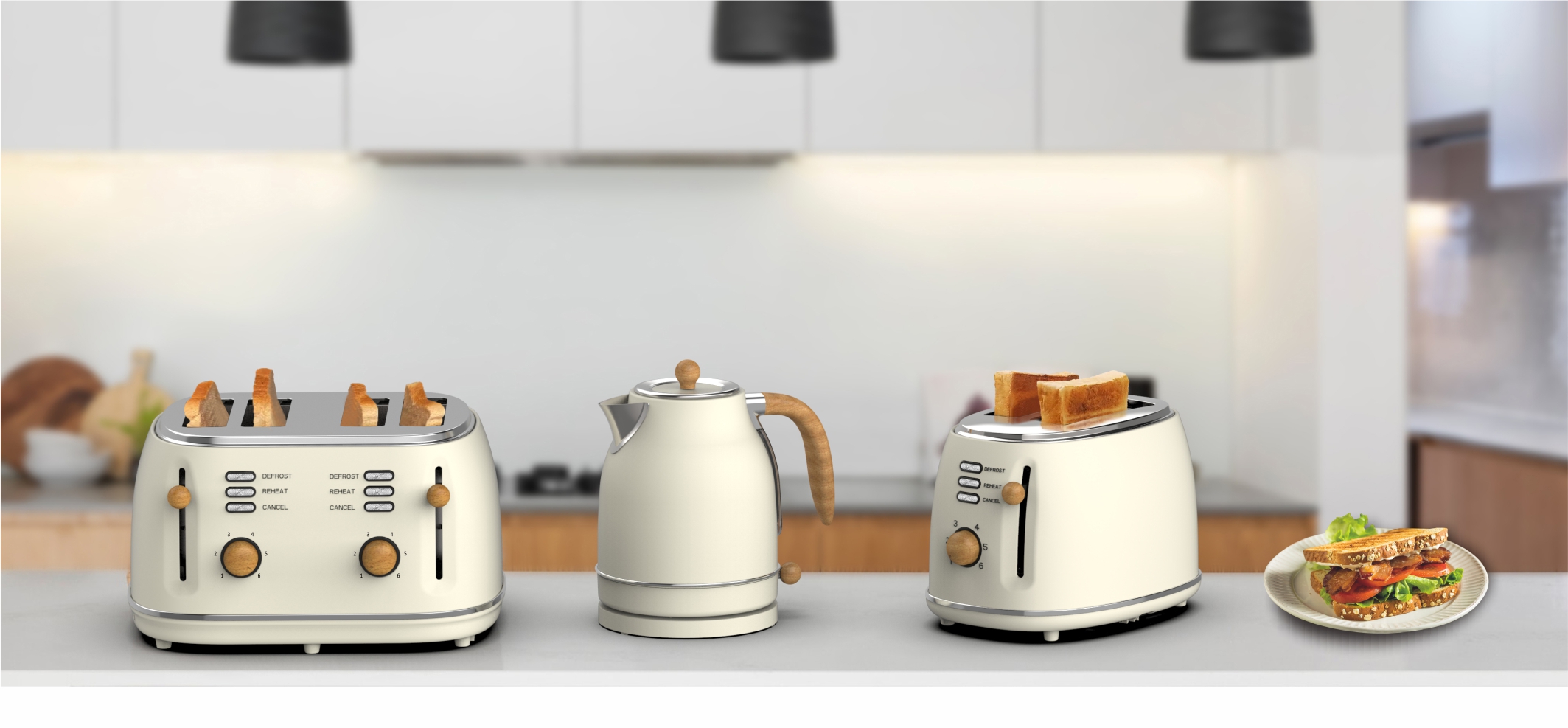
Bestone's official product catalog includes electric kettles, different toaster categories, blenders, coffee machines, milk frothers, and hand blenders, among other products.
Buyers can explore the available range through the Bestone kitchen appliance product catalog and contact the team to confirm the specifications and availability of individual models.
9. How Does In-House Manufacturing Support OEM and ODM Projects?
How Can Existing Production Resources Support OEM Orders?
OEM projects generally involve manufacturing products according to a buyer's specifications, drawings, or agreed product requirements.
The buyer may provide an existing design, product sample, or detailed technical documentation. The manufacturer then evaluates the production requirements and discusses how the product can be manufactured.
Relevant internal resources may include tooling development, plastic injection molding, assembly, and testing, depending on the project.
The key is to confirm the manufacturing scope before production begins.
Buyers should discuss drawings, materials, components, product specifications, tooling requirements, sample approval, and quality expectations with the manufacturer.
How Can R&D and Manufacturing Teams Work Together on ODM Projects?
ODM projects may involve more product development support from the manufacturer.
Depending on the manufacturer's capabilities and the project scope, this can include product concept discussions, design adjustments, component selection, structural development, and preparation for mass production.
R&D and manufacturing teams need to consider both product requirements and production feasibility.
A design may look attractive on paper, but it also needs to be manufacturable, assemblable, and suitable for the intended market.
Early communication between product development and manufacturing personnel can help identify practical issues before tooling investment and mass production.
The exact level of ODM support varies by factory and project. Buyers should confirm which development activities the manufacturer can perform directly and which require external partners.
What Customization Details Should Buyers Discuss with a Factory?
Before starting an OEM or ODM project, buyers should prepare a clear list of requirements.
Useful information includes:
-
Product category and intended application.
-
Target market and applicable electrical requirements.
-
Product drawings, reference samples, or preferred models.
-
Required materials and component specifications.
-
Appearance, color, logo, and packaging requirements.
-
Expected order quantity and future purchasing plans.
-
Required certificates, reports, and testing documentation.
-
Target development and production schedule.
The more clearly the requirements are defined, the easier it becomes for both parties to assess feasibility and prepare an appropriate production plan.
Bestone provides OEM and ODM services for its kitchen appliance product range. Buyers can discuss their project requirements with the team to understand the available customization options.
10. What Should Buyers Check When Evaluating a Kitchen Appliance Factory's Production Capacity?
Why Should Buyers Look Beyond the Factory's Total Output?
A factory's total production capacity is useful information, but it does not tell the whole story.
Actual production capacity depends on the product category, model complexity, component availability, tooling readiness, production arrangements, and current order schedule.
A factory may have substantial overall output but limited available capacity for a particular product during a busy period.
For this reason, buyers should ask about capacity at the product or order level rather than relying only on a general monthly or annual figure.
It is also important to distinguish between theoretical capacity, planned capacity, and actual output.
Which Production Resources Reveal a Factory's Actual Capabilities?
Buyers can evaluate several areas when reviewing a manufacturer's production capabilities:
Production facilities: What manufacturing processes are available at the factory, and which are performed internally?
Engineering resources: Can the factory support product development, tooling discussions, and technical problem-solving?
Production personnel: Are there teams responsible for the relevant manufacturing and assembly activities?
Component supply: How does the factory manage key materials and externally sourced components?
Inspection arrangements: What checks are performed during production and before shipment?
Production planning: How are orders scheduled and how are changes communicated?
These questions provide a more complete picture than a single production-capacity figure.
How Should Buyers Evaluate Capacity for Repeat Orders?
Repeat orders require more than the ability to manufacture a product once.
Buyers should understand whether the factory can maintain the agreed product configuration, arrange materials, coordinate production, and manage the expected order schedule over time.
Before confirming a long-term supply arrangement, buyers can discuss forecast quantities, order frequency, seasonal demand, material preparation, and any expected product changes.
It is also useful to clarify how the manufacturer handles changes to components, specifications, or packaging between orders.
A realistic capacity discussion helps both sides plan more effectively and reduces the risk of making commitments that cannot be supported by actual production arrangements.
11. How Can Buyers Verify Whether a Manufacturer's In-House Capabilities Are Reliable?
Which Factory Areas Should Buyers Review During a Visit?
A factory visit can help buyers understand how the manufacturer operates beyond what is shown on its website.
Depending on the manufacturer's production scope, useful areas to review may include:
-
Tooling development and mold storage areas.
-
Plastic injection molding workshops.
-
Component storage and preparation areas.
-
Product assembly lines.
-
Testing and inspection areas.
-
Finished-product storage and packing areas.
Not every factory will have all these departments, and not every process needs to be performed internally.
The purpose of a visit is to compare the manufacturer's actual facilities with the production capabilities described during business discussions.
Buyers should also observe whether the factory can explain how materials, components, work instructions, and finished products move through the manufacturing process.
What Production Records and Supporting Documents Should Buyers Request?
Documents can help buyers verify whether a manufacturer has defined procedures and relevant supporting evidence.
Depending on the product and project, buyers may request:
-
Product specifications and approved drawings.
-
Relevant material specifications.
-
Inspection and testing procedures.
-
Sample approval records.
-
Applicable product certificates and test reports.
-
Factory management system certificates.
-
Production and inspection records where available.
It is important to check that certificates and reports apply to the correct product, model, factory, and target market.
A factory management certificate is not the same as a product safety certificate. Similarly, a certificate held for one model should not automatically be assumed to cover every product in the manufacturer's catalog.
Buyers should verify documents carefully before relying on them for market access or compliance decisions.
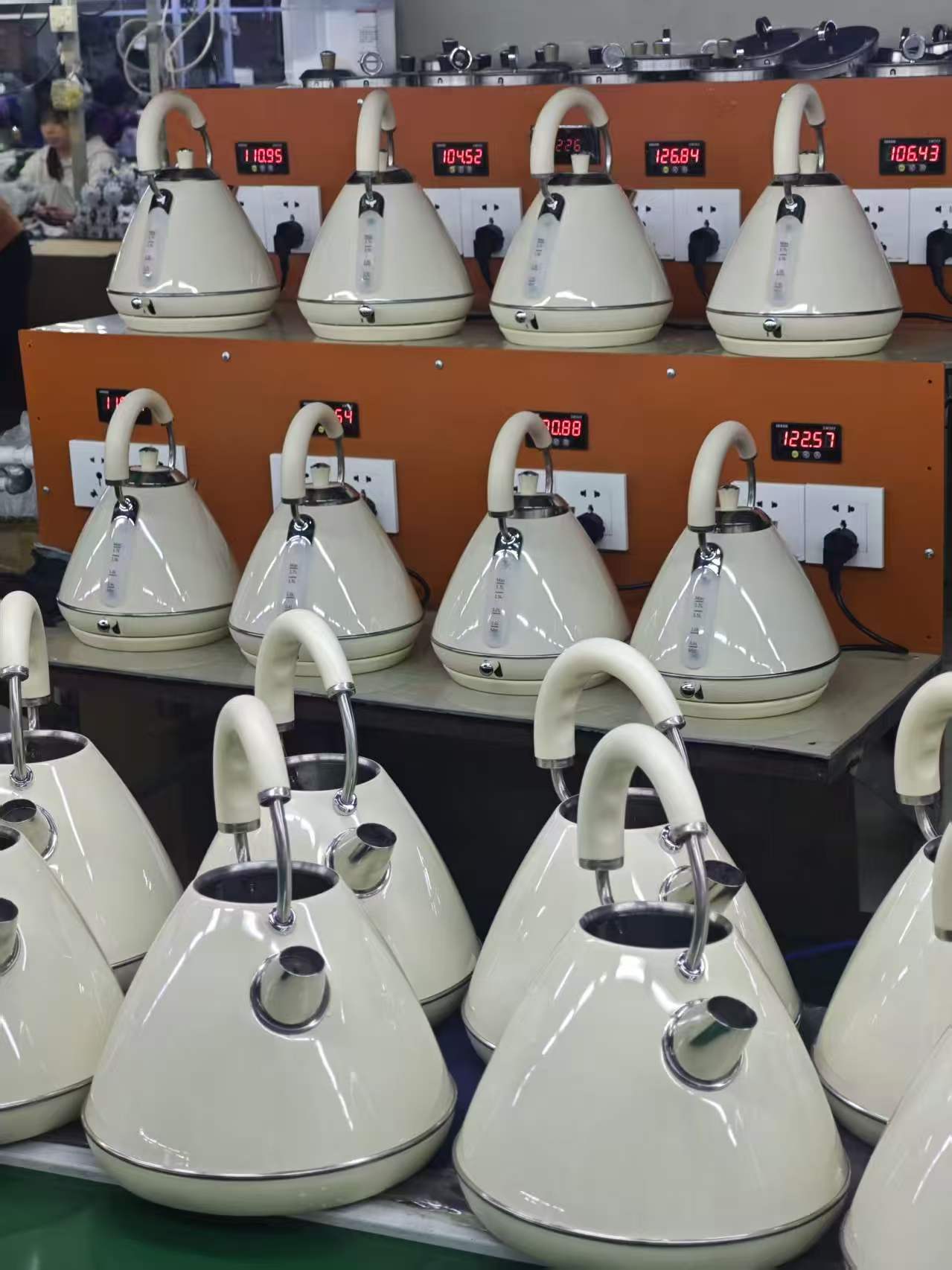
Why Are Real Production Photos and Sample Evaluations Important?
Factory photos can help buyers understand the manufacturing environment, but they should be treated as supporting information rather than complete proof of production capability.
A sample evaluation provides a more direct opportunity to review the product's appearance, construction, functions, and agreed specifications.
For customized projects, buyers should also confirm that the approved sample represents the intended mass-production configuration.
If changes are made after sample approval, both parties should document the changes and determine whether another review is necessary.
A combination of factory communication, document review, sample evaluation, and, where practical, an on-site visit provides a more balanced basis for supplier assessment.
12. Why Should You Work with Bestone for Your Kitchen Appliance Manufacturing Projects?
How Does Bestone's Manufacturing Setup Support Your Sourcing Needs?
Bestone is a kitchen and dining small appliance manufacturer based in Jiangmen, Guangdong, China.
According to the company's official website, Bestone was founded in 2017 and has experience in manufacturing electric kettles, toasters, blenders, coffee makers, and other small kitchen appliances.
The company also states that most of its production processes, including tooling design and development, molding, plastic injection, assembly, and testing, are carried out in-house.
For overseas buyers, these capabilities provide a starting point for discussing how product requirements can be connected with manufacturing operations.
Rather than treating every project as a simple product purchase, Bestone welcomes discussions about product specifications, customization requirements, and suitable manufacturing arrangements.
The exact production scope and technical feasibility should be confirmed for each product and order.
Which Kitchen Appliance Categories Can Bestone Supply?
Bestone's product portfolio covers several kitchen appliance categories, giving buyers options when developing or expanding their product ranges.
These include:
-
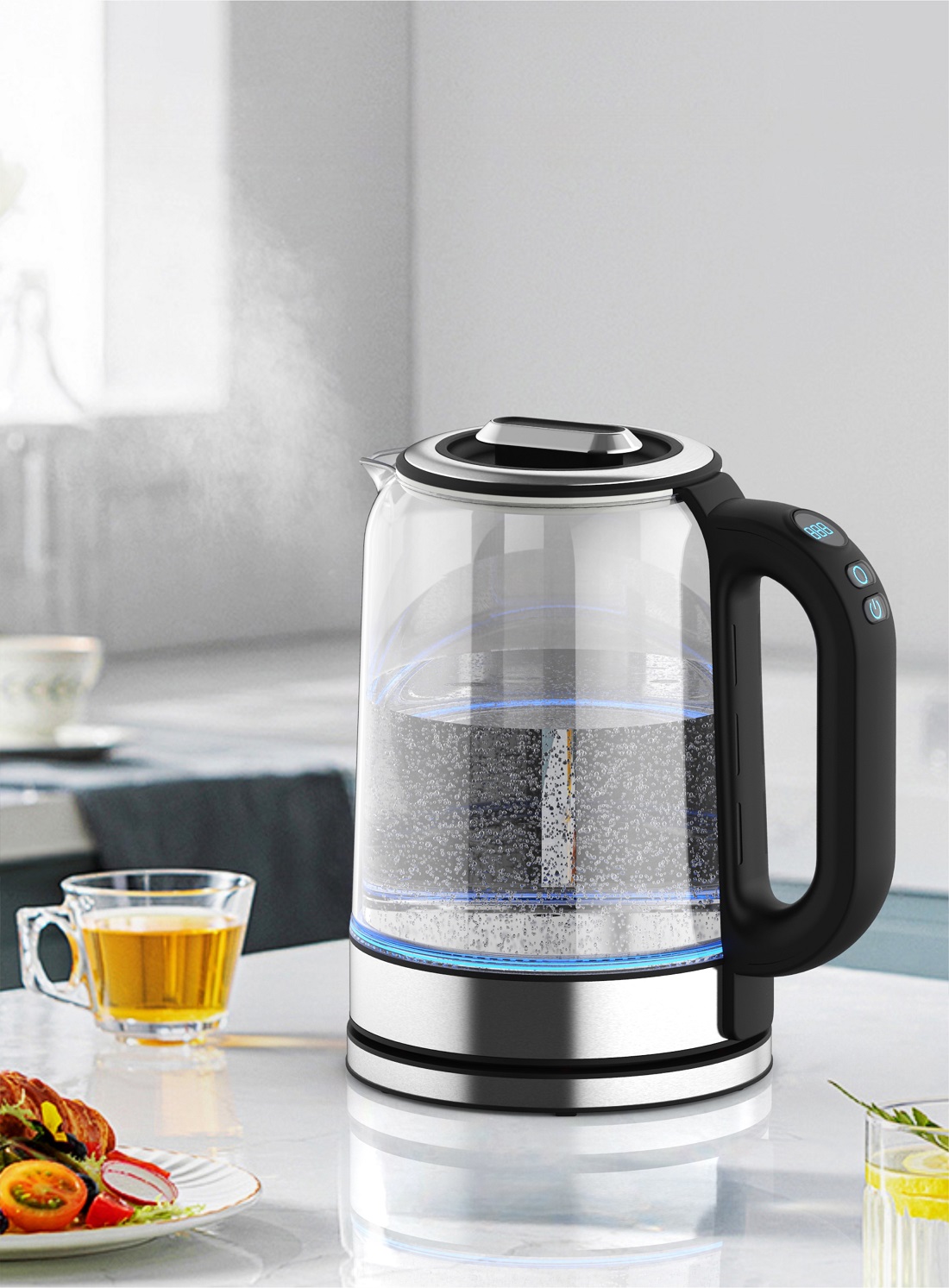
Electric kettles, including jug, glass, digital, double-wall, and other styles.
-
Toasters, including two-slice, four-slice, long-slot, and digital models.
-
Blenders and hand blenders.
-
Coffee machines.
-
Milk frothers.
-
Other kitchen appliance products shown in the company's catalog.
Available models, specifications, materials, electrical configurations, and customization options may vary.
For a clearer understanding of the current product range, visit the Bestone kitchen appliance catalog.
How Can You Start Your OEM or ODM Project with Bestone?
Starting a manufacturing project becomes easier when the buyer provides clear information from the beginning.
If you are an importer, wholesaler, distributor, or private-label brand looking for a kitchen appliance manufacturing partner, you can share the following details with Bestone:
-
The product category and preferred model.
-
Your target sales market.
-
Expected order quantity.
-
Required product specifications or customization.
-
Logo, color, and packaging requirements.
-
Any applicable certification or testing requirements.
-
Your expected purchasing schedule.
The Bestone team can then review the requirements and discuss suitable products, customization possibilities, and the next steps for your project.
Whether you are sourcing an existing model or exploring a new product development opportunity, clear communication is the foundation of a productive manufacturing relationship.
Looking for a kitchen appliance manufacturing partner?
Explore the Bestone product range or contact the Bestone team through the official website to discuss your sourcing requirements.
Let's turn your product requirements into a manufacturing plan.
How Is a Custom Kitchen Appliance Mold Developed from Design to Production?
How Does a Small Kitchen Appliance Factory Turn an Idea into a Finished Product?