How Is a Custom Kitchen Appliance Mold Developed from Design to Production?
For importers, wholesalers, and private-label brands, understanding this process is important. A mold is not simply a tool used to shape plastic. It is part of the manufacturing foundation that influences component dimensions, product appearance, assembly compatibility, and production repeatability.
A poorly planned tooling project may lead to unnecessary design changes, sample delays, additional costs, or difficulties during mass production. On the other hand, clear communication between the buyer and manufacturer can help identify potential problems before they become expensive production issues.
So, how does a custom kitchen appliance mold move from an initial product idea to a production-ready tool? What should buyers prepare, and what should they check before approving mass production?
Let's look at the key stages of the process.
1. Why Is Mold Development Important for Custom Kitchen Appliances?
What Role Does a Mold Play in Kitchen Appliance Manufacturing?
A mold is a specially designed tool used to form a material into a particular shape. In plastic injection molding, molten plastic is injected into a mold cavity, where it cools and takes the shape of the designed component.
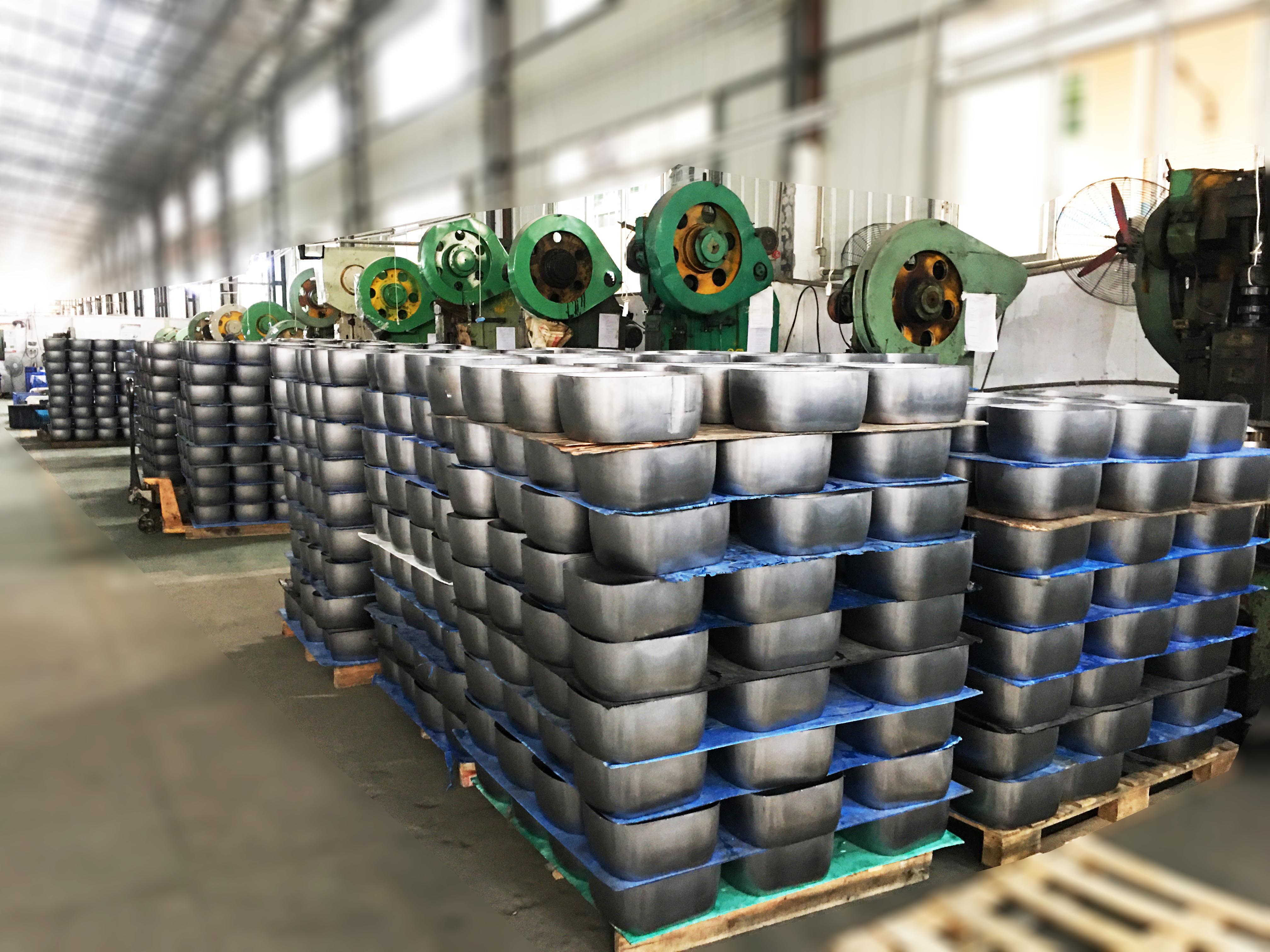
Many small kitchen appliances contain plastic parts such as housings, handles, covers, control panels, and internal structural components. These parts often require dedicated molds to achieve their intended shape and dimensions.
The mold design influences several aspects of the final component, including its geometry, surface appearance, wall thickness, and dimensional characteristics.
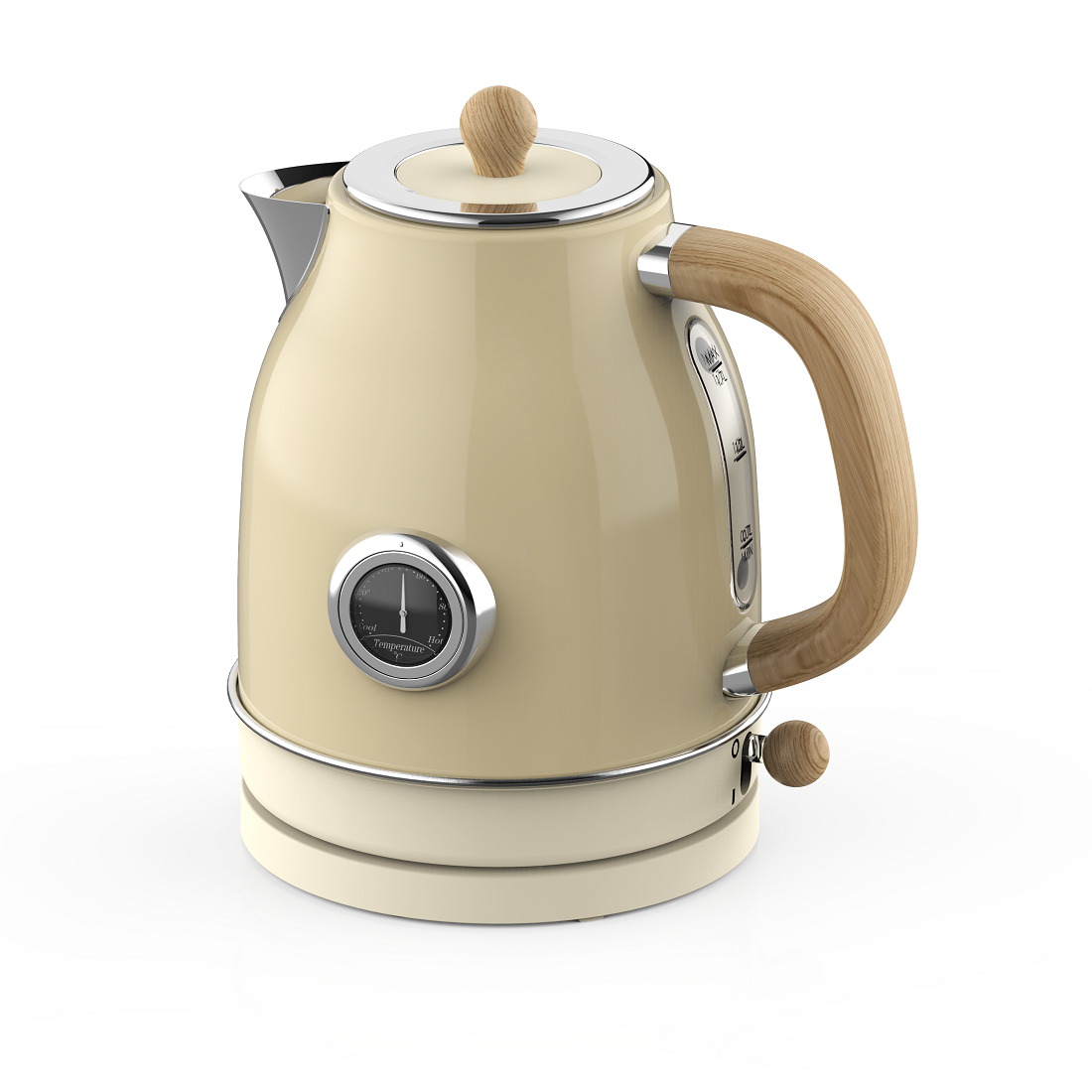
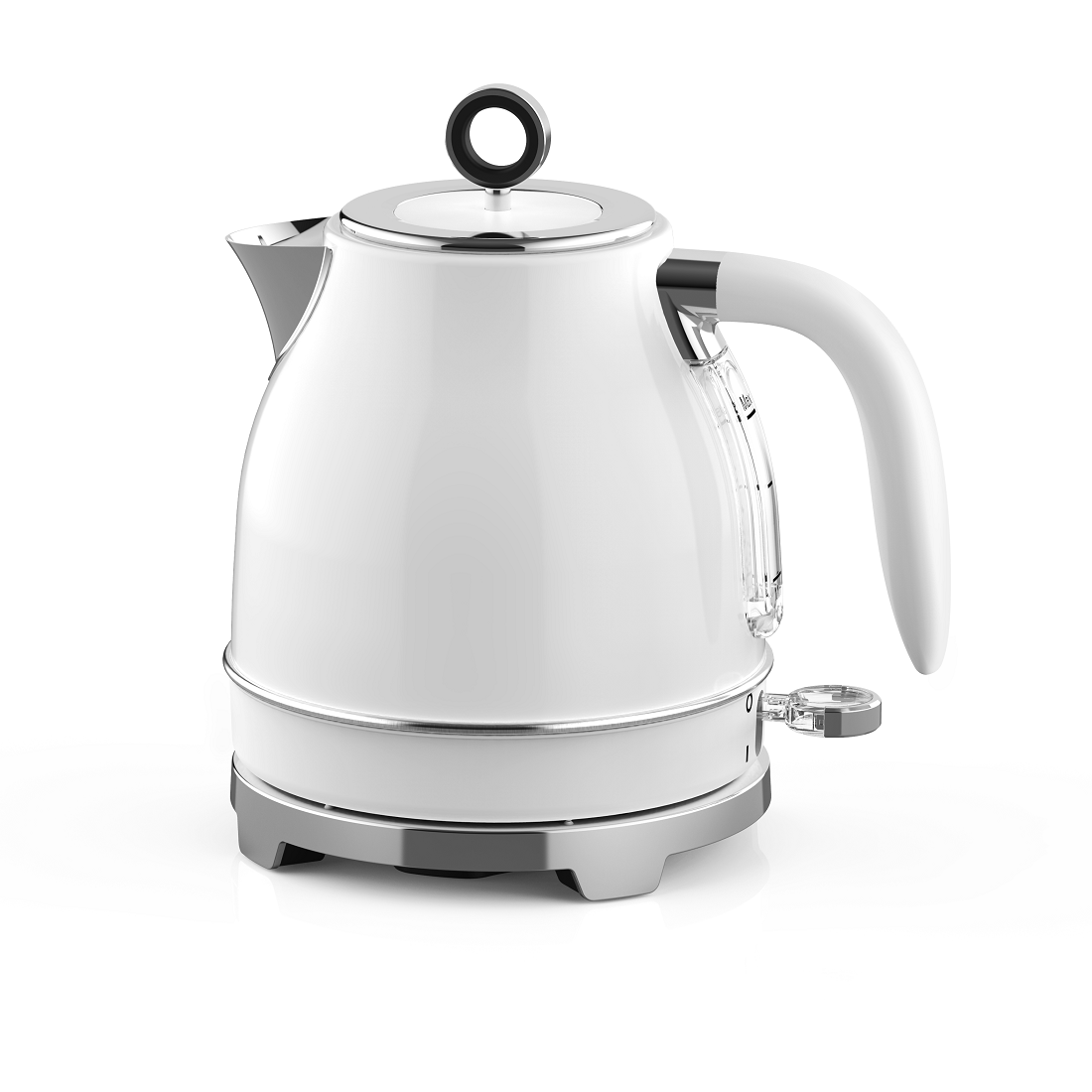
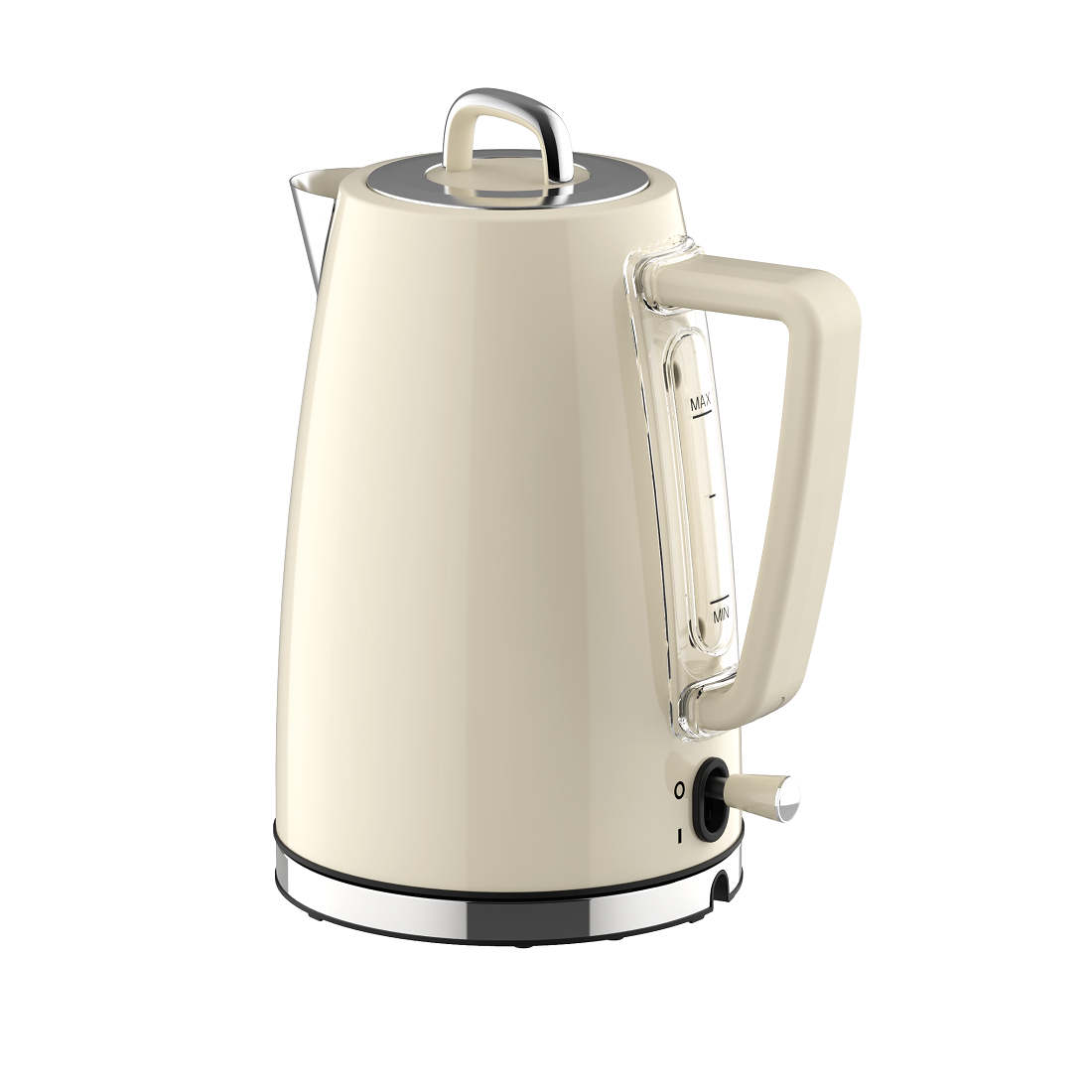
For example, a plastic housing for an electric kettle needs to accommodate the product's internal structure and external design. Its dimensions and connection points must also be compatible with other components during assembly.
This is why mold development should be considered an important part of product engineering rather than simply a step before mass production.

Why Can Mold Quality Affect the Final Product?
The quality of a molded component depends on several connected factors, including the product design, mold construction, plastic material, and injection molding conditions.
If the mold is not designed or manufactured appropriately, potential problems may include:
-
Inconsistent component dimensions.
-
Poor surface finish or visible defects.
-
Deformation after molding.
-
Difficulties when fitting different components together.
-
Uneven filling or other molding-related defects.
Not every product issue originates from the mold itself. Material selection, processing parameters, machine conditions, and component design can also influence the result.
However, a suitable mold design provides an important foundation for producing components that meet the agreed specifications.
Which Kitchen Appliance Components May Require Custom Molds?
Custom molds are commonly used for plastic components whose shapes and dimensions are specific to a product design.
Depending on the appliance, these may include:
-
External housings and body covers.
-
Handles, lids, and buttons.
-
Control panels and decorative components.
-
Internal supports and structural parts.
-
Plastic bases and connecting components.
For example, an electric kettle, toaster, and blender may all use injection-molded plastic parts, but their component structures and functional requirements are different.
The mold requirements should therefore be developed according to the actual product design, intended material, and assembly arrangement.

2. How Does a Product Idea Become a Mold Development Plan?
What Product Information Should Buyers Prepare Before Mold Development?
Before discussing a new mold, buyers should provide as much product information as possible.
The starting information may include product drawings, 3D files, reference samples, appearance concepts, dimensions, material preferences, and functional requirements.
If the buyer does not have a complete technical drawing, a reference product or initial design concept may still help begin the discussion. However, additional engineering work will usually be needed before tooling can be finalized.
Buyers should also clarify the target market and intended product application. These details can influence material selection, component structure, electrical design, and other technical requirements.
The clearer the initial requirements are, the easier it becomes for the manufacturer to assess the project and identify missing information.

How Are Product Requirements Translated into Mold Specifications?
A product design needs to be reviewed from a manufacturing perspective before mold construction begins.
The manufacturer and buyer may need to confirm:
-
Component dimensions and dimensional tolerances.
-
Plastic material and material properties.
-
Surface texture, color, and appearance requirements.
-
Wall thickness and structural features.
-
Connection points and assembly interfaces.
-
Expected production quantity.
-
Required sample and inspection criteria.
For injection-molded parts, the engineering team also needs to consider how the plastic material will flow into the mold, cool, and shrink during production.
These considerations influence mold design and help determine whether the original product structure needs adjustment.
A clear tooling specification reduces the possibility of misunderstandings after mold development has started.

Why Should Manufacturers Review Production Feasibility Before Building a Mold?
A product design may look suitable on a computer screen but still present difficulties during actual manufacturing.
For example, a component may have areas that are difficult to mold, uneven wall thickness, or structural details that complicate mold construction.
A manufacturing feasibility review helps identify such issues before the factory invests in tooling.
This review may consider the component's geometry, material, expected production volume, mold structure, and assembly requirements.
The goal is not to change the product design unnecessarily. It is to understand whether the design can be manufactured reliably and whether any adjustments could make production more practical.
For customized kitchen appliances, early communication between the buyer's design team and the manufacturer's engineering team can help avoid unnecessary revisions later.

3. How Does Design for Manufacturing Improve Mold Development?
What Is Design for Manufacturing in Plastic Component Development?
Design for Manufacturing, commonly known as DFM, is the process of reviewing a product design to determine whether it can be manufactured effectively.
For plastic injection-molded components, DFM considers factors such as wall thickness, draft angles, ribs, bosses, openings, parting lines, and potential molding difficulties.
The purpose is to make sure the component design is suitable for the intended manufacturing process.
For example, a plastic enclosure with unsuitable wall thickness may experience uneven cooling or deformation. A component without appropriate draft angles may be difficult to remove from the mold.
DFM helps identify these potential issues before the mold is built.
Why Are Wall Thickness and Draft Angles Important?
Wall thickness is an important design consideration for injection-molded plastic components.
Significant differences in wall thickness may lead to uneven cooling and shrinkage, potentially causing sink marks or warpage.
Designers therefore generally aim for suitable and reasonably consistent wall thickness, taking the selected material and component function into account.
Draft angles are also important. They create a slight taper on suitable surfaces so that the molded part can be released from the mold more easily.
The appropriate draft angle depends on the material, surface texture, component geometry, and mold design.
These details may appear small during product design, but they can influence both mold construction and the quality of the finished plastic component.

How Can DFM Reduce Unnecessary Tooling Changes?
If manufacturing issues are discovered only after a mold has been completed, modifications may require additional time and cost.
For example, if a component cannot be released from the mold properly, the tooling design may need to be reviewed. If a plastic part does not fit its connecting components, the engineering team may need to investigate dimensions, shrinkage, or the original product structure.
DFM provides an opportunity to review these issues before tooling construction.
It does not guarantee that no modifications will be necessary. Actual molding trials may still reveal issues that were not obvious during the initial design review.
However, reviewing manufacturing feasibility early can reduce avoidable problems and create a clearer technical basis for the tooling project.

4. How Is a Plastic Injection Mold Designed for Kitchen Appliance Components?
What Are the Main Parts of an Injection Mold?
An injection mold generally consists of several functional sections that work together to form and release a plastic component.
The main elements commonly include:
-
Core and cavity: Form the main geometry of the molded component.
-
Runner system: Directs molten plastic toward the mold cavity in applicable mold designs.
-
Gate: Controls where plastic enters the cavity.
-
Cooling channels: Help regulate mold temperature and remove heat.
-
Ejection system: Helps release the molded part after cooling.
The actual mold structure depends on the component geometry, material, production requirements, and tooling design.
A relatively simple plastic cover may require a different mold structure from a more complicated housing with multiple features and undercuts.
How Are Parting Lines and Ejection Systems Determined?
The parting line is the area where the mold separates to allow the molded component to be released.
Its position can influence the component's appearance, mold structure, and manufacturing feasibility.
For visible kitchen appliance housings, the parting line may need to be considered carefully because it can affect the appearance of the finished product.
The ejection system is another important design consideration. It helps remove the cooled component from the mold without causing unnecessary damage or deformation.
Ejector pins and other ejection arrangements need to be positioned according to the component structure and mold design.
The engineering team must consider both the functional requirements of the part and the practical requirements of the molding process.

How Does Mold Design Affect Production Efficiency?
Mold design can influence cycle time, component quality, maintenance requirements, and production stability.
For example, the cooling system affects how heat is removed from the plastic component. If cooling is not appropriately designed, the part may require additional cooling time or experience deformation.
The runner and gate arrangement also influence how plastic enters the mold cavity.
For projects with higher production volumes, the manufacturer may need to consider tooling arrangements that support the expected output and production schedule.
There is no single mold design suitable for every kitchen appliance component. The appropriate solution depends on the product, material, expected quantity, and manufacturing requirements.
5. How Should Manufacturers Select Mold Materials and Plastic Materials?
What Factors Determine the Choice of Mold Material?
Mold material selection depends on several factors, including expected production volume, plastic material characteristics, component geometry, surface requirements, and tooling budget.
Different mold steels and other tooling materials have different mechanical properties, wear resistance, thermal characteristics, and processing requirements.
A mold intended for a relatively limited production quantity may have different requirements from one designed for a long-term, high-volume manufacturing program.
The manufacturer should evaluate the tooling requirements before recommending a suitable material.
Buyers should avoid choosing a mold material based only on its initial price. The expected production application and maintenance requirements should also be considered.

How Does Plastic Material Selection Affect Mold Development?
The plastic material used for a component can influence the mold design and injection molding process.
Different materials have different flow characteristics, shrinkage behavior, processing temperatures, and mechanical properties.
For example, material selection for an external appliance housing may need to consider appearance, structural performance, heat exposure, and the product's intended operating environment.
A component used near a heating area may require different material considerations from a decorative component that does not experience the same operating conditions.
The material must also be suitable for its intended application and comply with the relevant product and market requirements.
For kitchen appliances, material suitability should be evaluated according to the actual component function rather than relying on general material descriptions.

Why Should Buyers Confirm Material Specifications Before Tooling?
Changing the plastic material after mold development may affect the component's dimensions and molding behavior.
Different materials can have different shrinkage characteristics, which may influence dimensional results.
A material change can therefore require additional engineering review and, in some cases, mold adjustments or renewed sample validation.
Before tooling begins, buyers should confirm the intended material grade, color requirements, relevant performance expectations, and any applicable compliance requirements.
If the buyer expects to use an alternative material in the future, this should also be discussed during the design stage.
Clear material specifications help the manufacturer develop the mold around the intended production requirements.

6. How Is a Mold Manufactured After the Design Is Approved?
What Happens During Mold Machining?
Once the mold design and technical requirements are approved, tooling production can begin.
Depending on the mold structure, manufacturing may involve several machining and processing methods.
Common methods used in mold making include CNC machining, electrical discharge machining (EDM), grinding, drilling, and polishing.
These processes are selected according to the geometry and accuracy requirements of the mold components.
For example, CNC machining can be used to produce various mold features, while EDM may be suitable for certain complex details that are difficult to create using conventional cutting methods.
The specific process sequence depends on the tooling design and the capabilities of the mold manufacturer.

Why Are Mold Assembly and Surface Finishing Important?
Individual mold components need to be assembled according to the approved tooling design.
The core, cavity, inserts, guiding components, cooling arrangements, and ejection system must work together correctly.
If mold components are not assembled or fitted appropriately, potential problems may appear during injection molding.
Surface finishing is also important, particularly for components with visible exterior surfaces.
Depending on the required appearance, the mold surface may need polishing, texturing, or other finishing treatments.
For kitchen appliance housings and decorative plastic parts, surface requirements should be agreed upon before tooling production so that the final component meets the intended design.

How Is a Mold Checked Before the First Trial?
Before the first molding trial, the mold should be reviewed to confirm that its major structural and functional elements are ready for testing.
Depending on the project, checks may include mold assembly, movement of relevant components, cooling connections, ejection operation, and other tooling-related requirements.
The exact inspection process depends on the mold design and manufacturing arrangement.
A pre-trial review helps identify obvious tooling issues before the mold is connected to an injection molding machine.
It is important to remember that a mold passing an initial tooling inspection does not mean that the molded component is already approved. The actual molding result still needs to be evaluated.

7. How Are Mold Trials Used to Evaluate the First Plastic Samples?
What Happens During the First Mold Trial?
After tooling is ready, the mold can be installed on a suitable injection molding machine for a trial.
The purpose of the trial is to check whether the mold can produce components according to the intended design and whether the molding process can operate as expected.
During the trial, the manufacturer may review filling behavior, component appearance, dimensions, release from the mold, and other relevant characteristics.
The first molded parts are usually treated as trial samples rather than automatically approved production components.
This stage provides practical information about how the mold performs under actual molding conditions.

Which Problems May Be Identified During Mold Trials?
A mold trial may reveal issues that were not fully apparent during the design stage.
Potential molding-related issues include:
-
Short shots, where the cavity is not completely filled.
-
Flash, where excess plastic appears along mold separation areas.
-
Sink marks or surface depressions.
-
Warpage or dimensional variation.
-
Visible flow marks or other surface defects.
-
Difficulty releasing the molded component.
These issues may have different causes. Some may be related to mold design, while others may involve material selection, machine settings, or processing conditions.
The manufacturer should investigate the cause before deciding whether a tooling modification or process adjustment is necessary.
Why May More Than One Trial Be Necessary?
The first trial is an opportunity to evaluate the mold and collect actual production information.
If problems are identified, the manufacturer may adjust processing conditions, modify relevant mold features, or review the component design.
A further trial may then be required to check whether the changes have produced the intended result.
The number of trials depends on the complexity of the component, mold condition, design requirements, and issues identified during evaluation.
Buyers should understand that trial and adjustment activities are a normal part of many custom tooling projects. It is more important to have clear evaluation criteria and communication than to assume every mold will be perfect after its first trial.

8. How Can Buyers Evaluate Molded Samples Before Approving Production?
Which Dimensions and Appearance Details Should Be Checked?
Sample evaluation should be based on the approved product drawings and specifications.
For dimensional inspection, buyers and manufacturers may check important measurements, connection points, wall dimensions where applicable, and other critical features.
Appearance inspection may cover surface defects, color consistency, texture, visible parting lines, and other agreed requirements.
Not every dimension has the same importance. Critical dimensions should be identified according to the component's function and assembly requirements.
A clear inspection plan helps avoid disagreements about whether a sample is acceptable.

How Should Buyers Check Whether Molded Components Fit the Product?
A plastic component may meet its individual dimensions but still need to be checked together with other parts.
For example, an appliance housing may need to fit with its cover, internal supports, control panel, or other components.
A fit check or assembly trial can reveal issues that are difficult to identify by measuring a single part.
This is especially important for custom kitchen appliances because product appearance and assembly compatibility are closely connected.
Buyers should review samples in the context of the complete product whenever possible rather than evaluating isolated plastic parts only.

What Should Be Included in a Sample Approval Process?
A useful sample approval process should establish a clear reference for future production.
Depending on the project, it may include:
-
Approved product drawings and specifications.
-
Agreed plastic material and color.
-
Confirmed appearance and dimensional requirements.
-
Sample evaluation records.
-
Documented changes or modifications.
-
Written confirmation of the approved sample version.
If a buyer requests changes after sample approval, both parties should clarify whether those changes affect the mold, product specifications, or production process.
Keeping an approved reference sample and relevant records can help reduce misunderstandings during mass production and repeat orders.

9. How Does Mold Validation Prepare a Component for Mass Production?
Why Is Sample Approval Different from Mass Production Validation?
Sample approval confirms that a particular sample meets the buyer's agreed requirements.
Mass production validation goes further. It considers whether the mold and manufacturing process can produce acceptable components consistently under the intended production conditions.
A sample may look correct when produced during a trial, but the factory still needs to assess whether the process can be repeated reliably.
This may involve reviewing production parameters, dimensional results, component appearance, and relevant inspection records.
The required validation scope depends on the product, customer requirements, and manufacturing system.

How Can Manufacturers Evaluate Production Repeatability?
Production repeatability means that a manufacturing process can produce components that continue to meet the defined specifications over repeated production cycles.
For injection molding, relevant factors may include material consistency, mold condition, processing parameters, machine operation, and inspection arrangements.
The manufacturer may use agreed inspection methods and production records to monitor whether components remain within the required specifications.
For more critical components, the buyer may request additional dimensional checks or other validation activities.
The appropriate method should be established according to the product's design and quality requirements.

What Should Buyers Confirm Before Approving Mass Production?
Before mass production begins, buyers should confirm that the relevant product and tooling requirements have been agreed.
Important points may include:
-
Final approved drawings and component specifications.
-
Confirmed material and color.
-
Accepted sample and assembly fit.
-
Agreed inspection requirements.
-
Production quantity and schedule.
-
Packaging and labeling requirements.
-
Responsibilities for any tooling changes.
This is also a good time to clarify how the manufacturer will handle nonconforming components and how production changes will be communicated.
Clear approval requirements help both parties move from development to production with a shared understanding.

10. How Can Mold Maintenance Support Long-Term Production?
Why Does an Injection Mold Need Regular Maintenance?
Injection molds are used repeatedly during production and are exposed to mechanical movement, heat, pressure, and contact with plastic materials.
Over time, wear, contamination, corrosion, or damage may affect mold performance.
Maintenance helps keep the mold in suitable working condition and can reduce the likelihood of unexpected tooling-related production problems.
The maintenance requirements depend on the mold structure, material, usage conditions, and production history.
A maintenance plan should therefore be based on the actual tooling rather than applying the same schedule to every mold.

Which Mold Areas May Require Inspection?
Depending on the tooling design, maintenance checks may include:
-
Core and cavity surfaces.
-
Parting surfaces and sealing areas.
-
Ejector pins and moving components.
-
Guide components and sliding mechanisms.
-
Cooling channels and connections.
-
Venting areas and other relevant mold features.
The purpose is to identify wear, contamination, or other conditions that could affect component quality or mold operation.
Maintenance personnel should follow suitable procedures when cleaning, inspecting, repairing, or storing molds.

How Should Buyers Discuss Mold Maintenance with Manufacturers?
For long-term product programs, buyers should understand how the factory manages tooling after initial development.
Useful questions include:
-
Who is responsible for routine mold maintenance?
-
How are mold condition and production usage recorded?
-
How are tooling problems reported?
-
What happens if a mold needs repair or modification?
-
How are maintenance costs and responsibilities handled?
Buyers should also clarify mold ownership, storage arrangements, access rights, and the conditions for transferring tooling if the business relationship changes.
These details are particularly important for private-label brands that plan to reorder the same product over an extended period.

11. What Should Buyers Consider When Planning a Custom Mold Project?
How Do Tooling Costs Depend on Product Design and Production Requirements?
Custom mold costs are influenced by several factors.
These may include component size, geometry, mold complexity, selected mold material, expected production quantity, surface requirements, and the number of cavities.
A simple component may require relatively straightforward tooling, while a complex component with multiple features may require a more involved mold structure.
The buyer should also consider whether the project needs one mold or several molds for different components.
When comparing tooling quotations, buyers should review what is included rather than comparing only the final price.
For example, quotations may differ in tooling scope, mold material, expected service conditions, sample arrangements, modifications, and maintenance responsibilities.
A clear quotation helps both parties understand what is being purchased.

How Can Buyers Plan a Realistic Mold Development Schedule?
The development schedule depends on the complexity of the component and the resources required for engineering, tooling construction, trial production, and sample approval.
A project involving a relatively simple plastic component may have different requirements from one involving complex geometry or several customized parts.
The schedule may also be affected by:
-
Incomplete or changing product drawings.
-
Delays in design confirmation.
-
Material selection and availability.
-
Tooling modifications.
-
Sample feedback and approval.
-
Additional testing or validation requirements.
Buyers should request a project-specific schedule and understand the main milestones.
A realistic schedule should include time for review and potential adjustments rather than assuming that tooling will move directly from design approval to mass production without further evaluation.

What Commercial Details Should Be Confirmed Before Ordering a Mold?
Tooling projects involve both technical and commercial responsibilities.
Before confirming an order, buyers should discuss:
-
Total tooling cost and payment terms.
-
Scope of mold design and construction.
-
Tooling material and technical specifications.
-
Expected sample and trial arrangements.
-
Ownership of the mold and related design files.
-
Storage, maintenance, and repair responsibilities.
-
Conditions for mold modification or transfer.
-
Confidentiality and intellectual property arrangements.
These points should be documented in the relevant agreement or purchase documentation.
Clear commercial terms help protect both parties and reduce potential disputes during long-term cooperation.

12. How Can Bestone Support Your Kitchen Appliance Mold Development Project?
What Manufacturing Capabilities Does Bestone Offer?
Bestone is a kitchen and dining small appliance manufacturer based in Jiangmen, Guangdong, China.
According to the company's official website, Bestone was founded in 2017 and manufactures products across several kitchen appliance categories, including electric kettles, toasters, blenders, and coffee-related appliances.
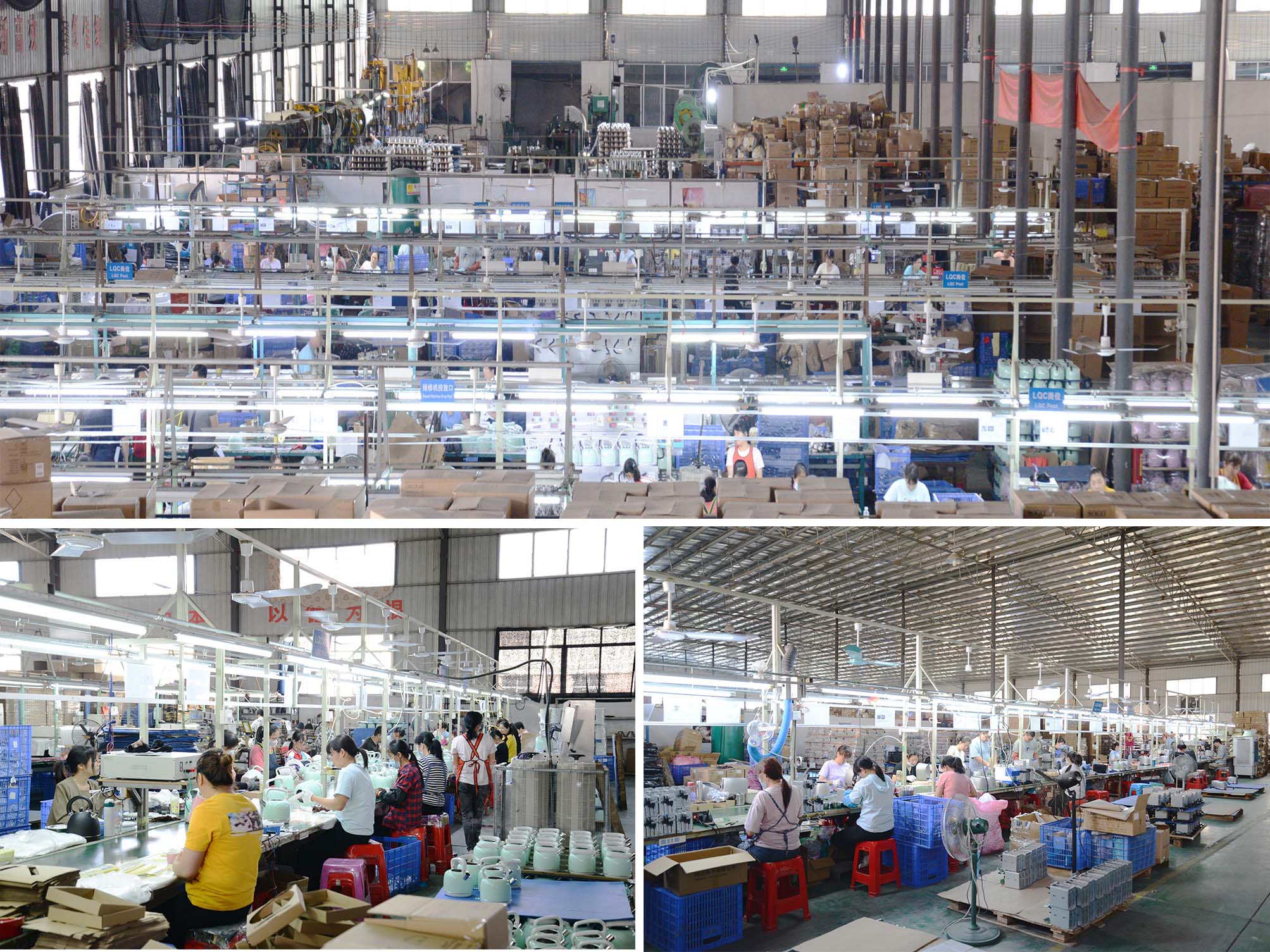
The company also states that most of its production processes, including tooling design and development, molding, plastic injection, assembly, and testing, are carried out in-house.
These manufacturing activities provide a basis for discussing how product requirements can be connected with tooling and production arrangements.
For buyers planning a customized product, the actual scope of mold development and manufacturing support should be confirmed according to the specific component, product design, and project requirements.

Which Product Categories Can Benefit from Custom Mold Development?
Custom tooling may be relevant to different kitchen appliance categories, particularly when a buyer requires a distinctive product appearance or customized plastic components.
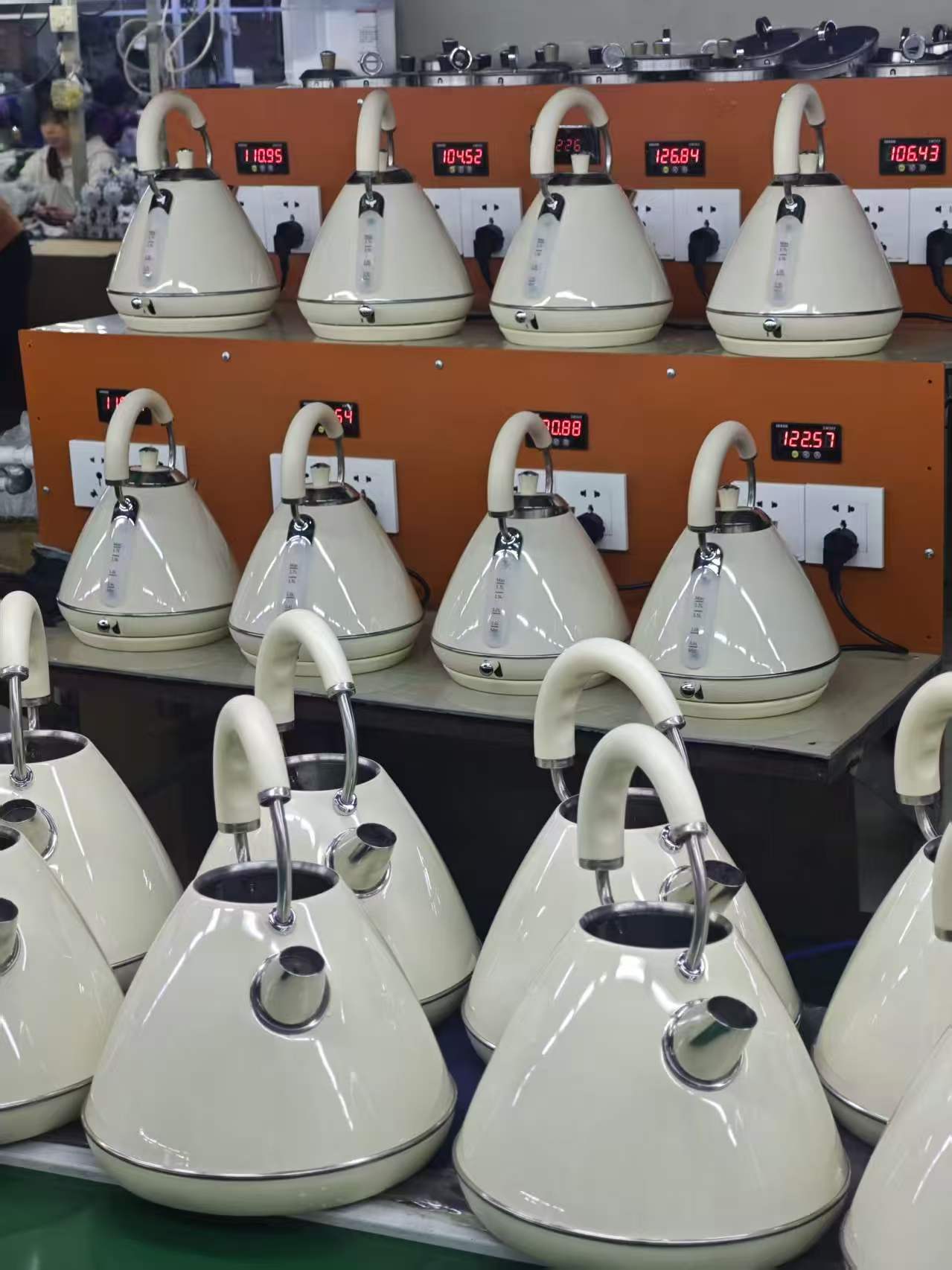
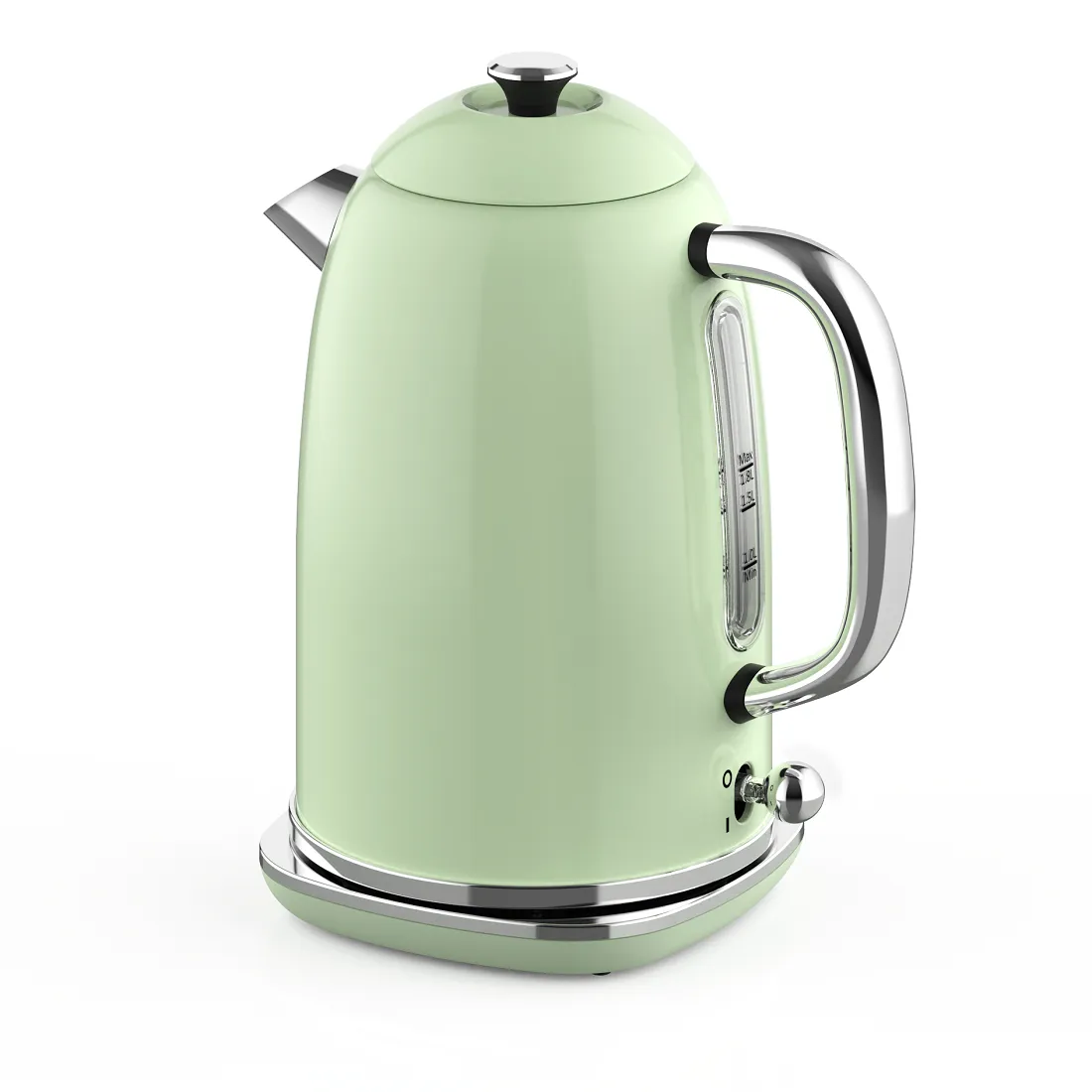
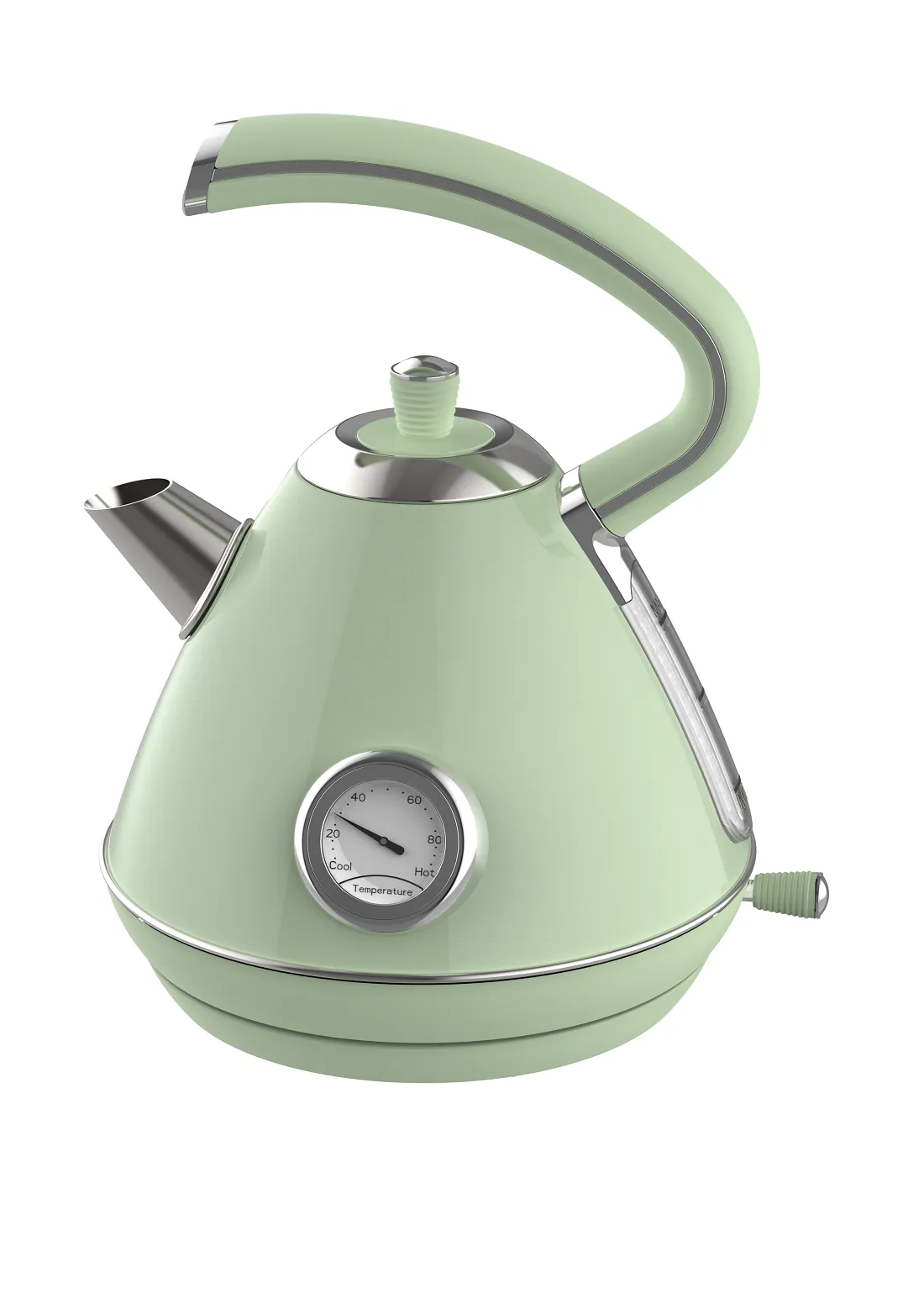
For example, electric kettles may require customized housings, handles, lids, and bases. Toasters may involve external housings, control panels, and other plastic components. Blenders and coffee-related appliances may also include product-specific plastic structures.
The exact tooling requirements depend on the selected model and the scope of customization.
Bestone's product portfolio provides a starting point for buyers who want to explore existing models before discussing further design changes.
You can visit the Bestone kitchen appliance product catalog to review the available product categories.

How Can You Start a Custom Mold Development Discussion with Bestone?
If you are planning a new kitchen appliance project, preparing the right information can help make the initial discussion more productive.
You can share:
-
Your product category and intended market.
-
Product drawings, 3D files, reference samples, or design concepts.
-
Required materials, colors, and appearance details.
-
Expected production quantity.
-
Desired customization and branding requirements.
-
Applicable testing or certification requirements.
-
Your expected development and purchasing schedule.
The Bestone team can review the project information and discuss the relevant manufacturing requirements, tooling scope, and possible next steps.
Whether you are developing a new product or customizing an existing kitchen appliance model, a clear understanding of the mold and production requirements is an important starting point.

Planning a custom kitchen appliance project?
Explore the Bestone product catalog or visit the Bestone official website to discuss your product requirements.
Share your design ideas and sourcing needs with the Bestone team to begin the conversation about your next manufacturing project.
How Does In-House Manufacturing Help Kitchen Appliance Brands Reduce Sourcing Risks?