What Happens During Plastic Injection Molding for Small Kitchen Appliances?
Plastic components are found in almost every category of small kitchen appliances. From electric kettle housings and toaster panels to blender bases, handles, and control covers, these parts contribute to product appearance, structure, and everyday usability.
But how are these components actually made?
Plastic injection molding is one of the most widely used manufacturing processes for producing plastic parts with specific shapes and dimensions. It allows manufacturers to produce components repeatedly using a mold and controlled processing conditions.
For kitchen appliance brands, importers, and distributors, understanding this process is useful when evaluating a manufacturer's production capabilities. The quality of a plastic component is influenced by more than the mold itself. Material selection, machine settings, cooling conditions, production control, and inspection all play important roles.
In this article, we explain how plastic injection molding works, what happens during each production stage, which common problems manufacturers need to control, and what buyers should look for when evaluating an injection molding supplier.
1. Why Is Plastic Injection Molding Widely Used in Small Kitchen Appliance Manufacturing?
What Is Plastic Injection Molding?
Plastic injection molding is a manufacturing process used to produce plastic components by injecting heated plastic material into a mold cavity.
The basic process involves preparing plastic material, heating it until it can flow, injecting it into a closed mold, allowing it to cool and solidify, and then removing the finished component.
The mold determines the general shape and many of the dimensional features of the component. Once the process has been properly developed, the same mold can be used to produce repeated batches of parts.
This makes injection molding suitable for manufacturing many plastic components used in small kitchen appliances.
Which Kitchen Appliance Components Are Commonly Injection Molded?
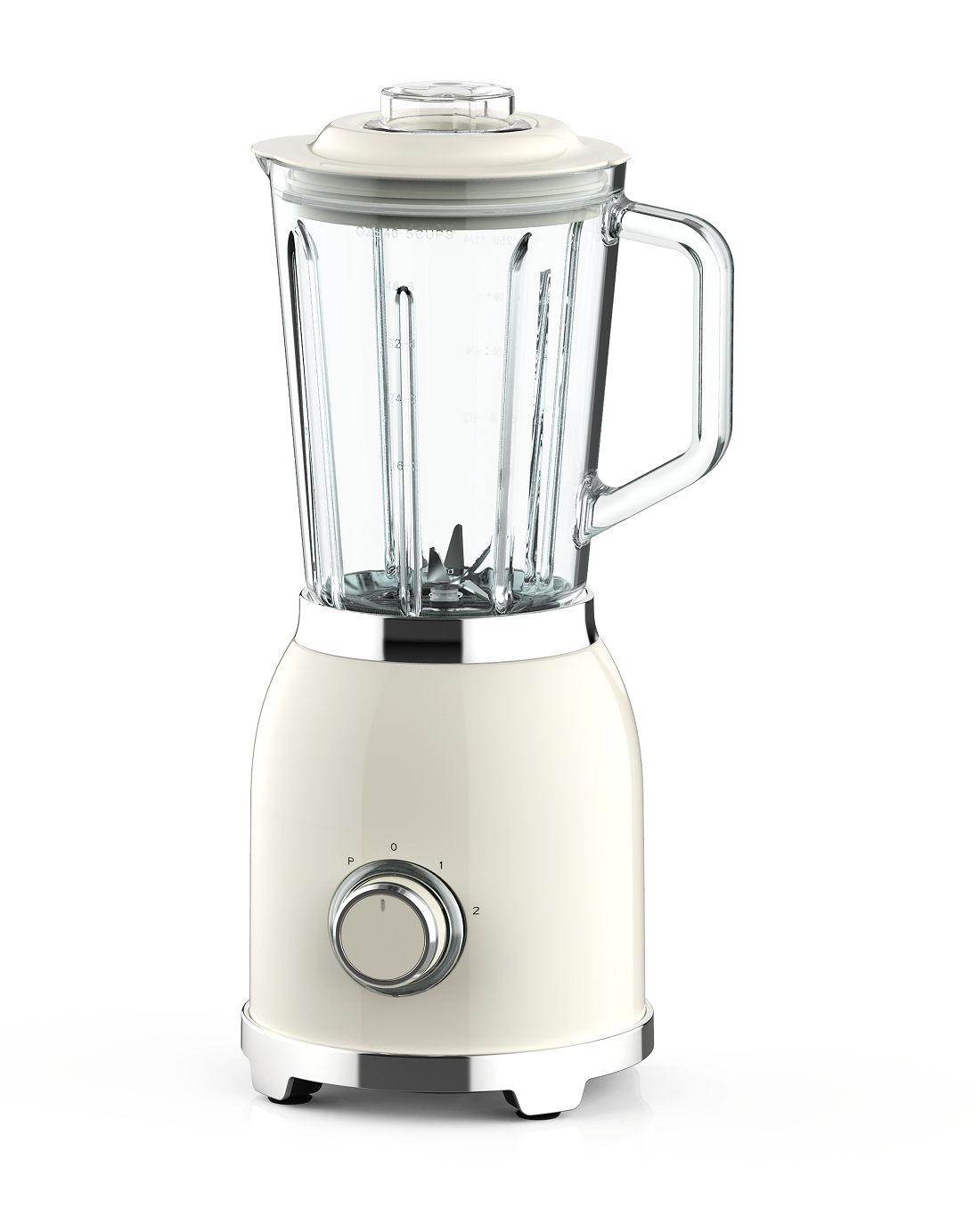
Many small kitchen appliances contain plastic parts that are manufactured through injection molding.
Depending on the product design, examples may include:
-
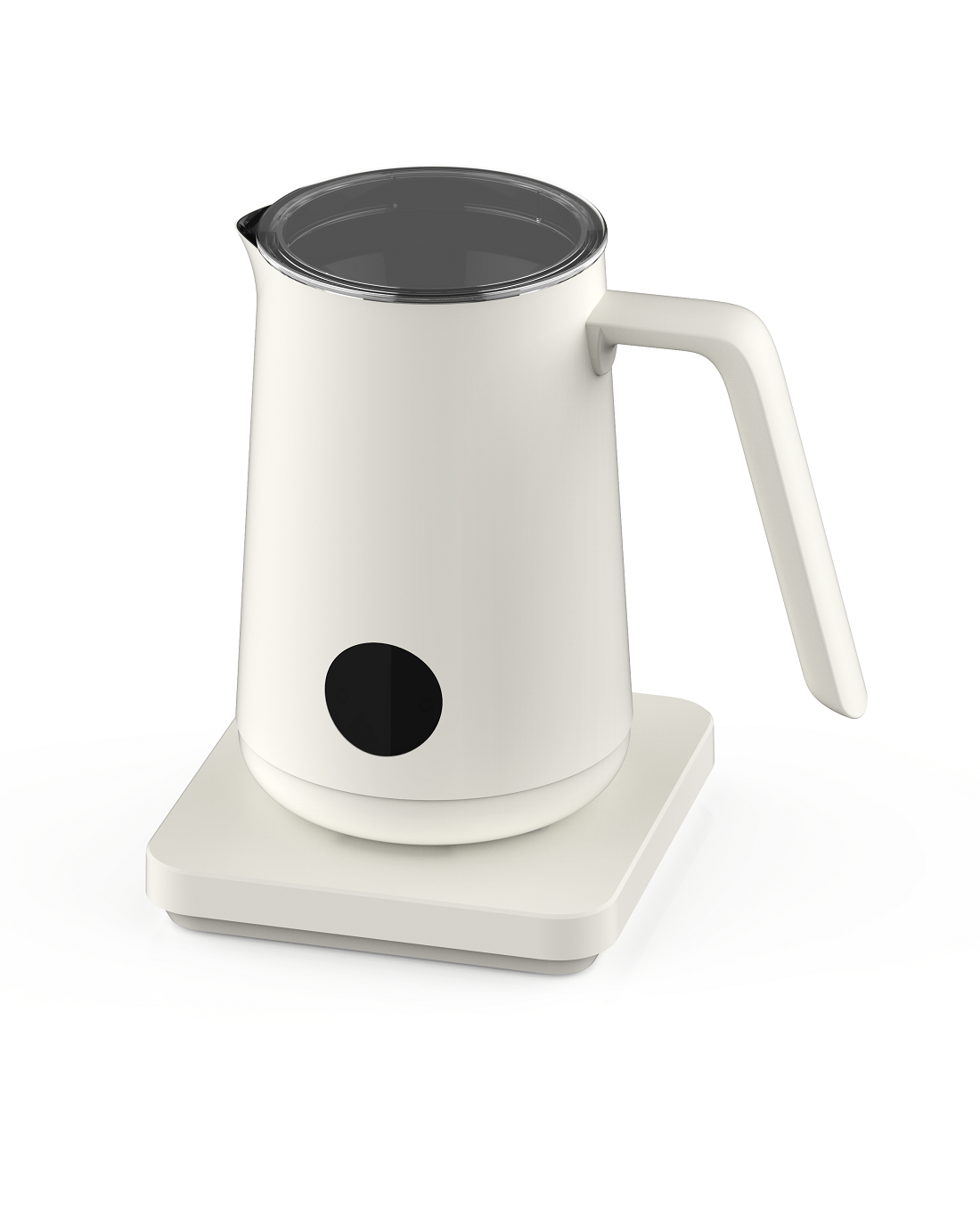
Electric kettle handles, lids, bases, and external housings.
-
Toaster housings, control panels, knobs, and decorative components.
-
Blender bases, motor covers, and control interfaces.
-
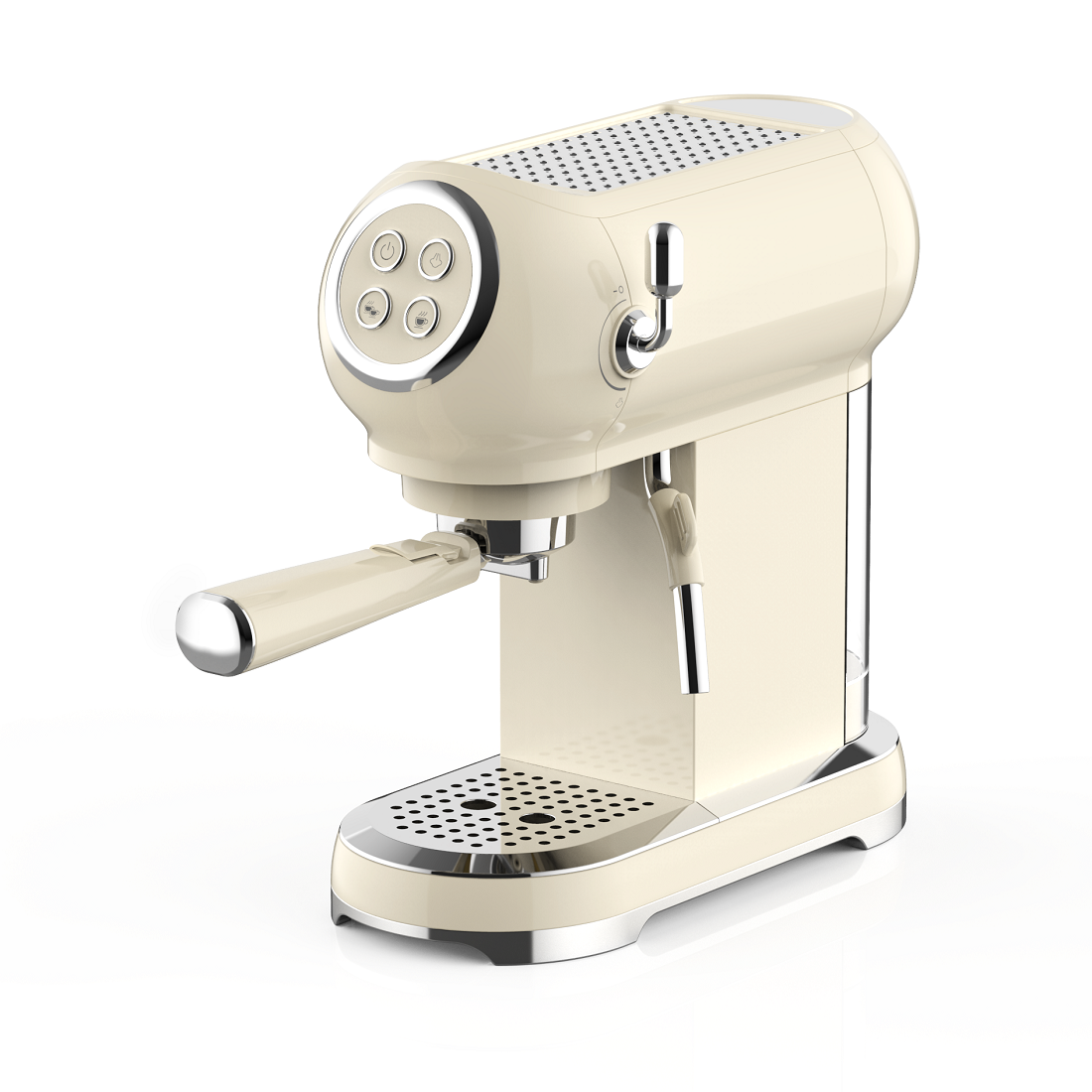
Coffee maker housings, water-related plastic components, and support structures.
-
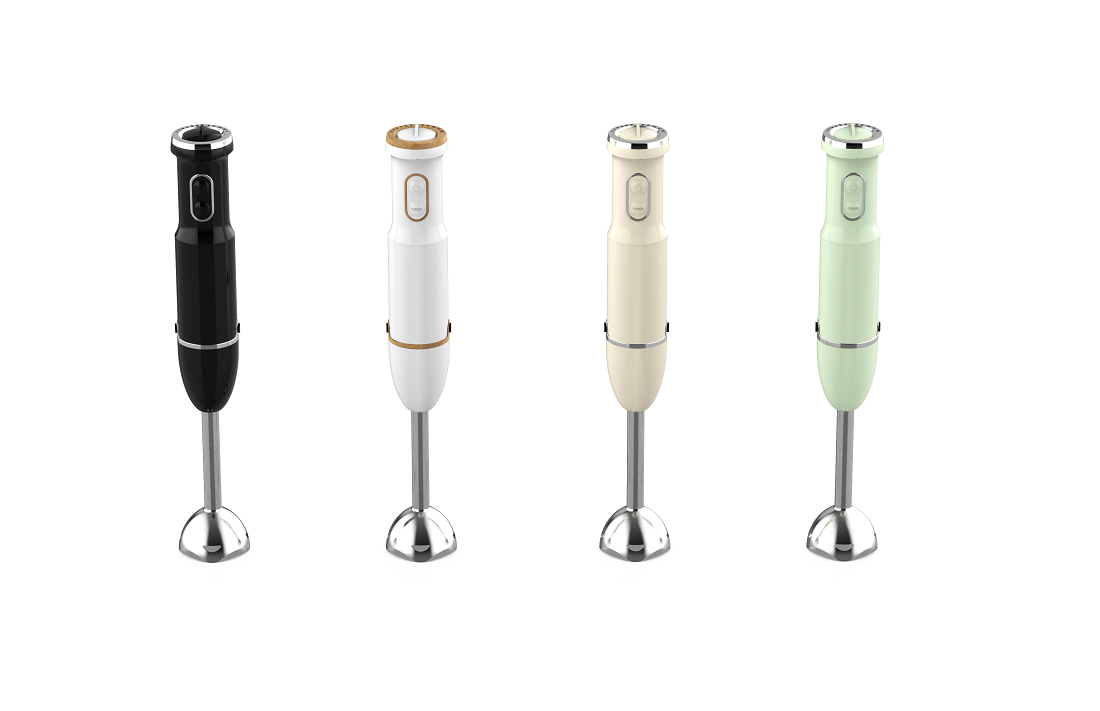
Hand blender covers, buttons, and connecting components.
Not every component in these products is made from plastic. Metal parts, electrical components, heating elements, motors, and other materials may also be required.
The specific manufacturing process depends on the component's function, design, material, and operating environment.
What Makes Injection Molding Suitable for Repeated Production?
One important advantage of injection molding is its ability to produce repeated components using the same tooling.
After the mold and processing conditions have been properly established, the manufacturing process can be repeated for subsequent production cycles.
This is useful for kitchen appliance manufacturers because many plastic components need to be produced in quantities that support assembly and finished-product manufacturing.
Injection molding can also produce components with complex shapes and integrated structural features, depending on the mold design.
However, consistent production still requires appropriate material management, mold maintenance, process control, and inspection. Using the same mold does not automatically guarantee that every component will have identical dimensions or appearance.

2. How Is Plastic Material Prepared Before Injection Molding?
Which Plastic Materials Are Used in Kitchen Appliance Components?
Different plastic materials have different properties, so material selection should be based on the component's intended function.
Common engineering and commercial plastics used in appliance components may include:
-
ABS: Often selected for housings and other structural or appearance-related components where its combination of rigidity and impact performance is suitable.
-
Polypropylene (PP): Used in various molded components where its chemical resistance, lightweight characteristics, and other material properties are appropriate.
-
Polycarbonate (PC): May be used for components requiring particular transparency or impact-related properties, subject to the application.
-
PA (Nylon): Used for selected structural or functional parts where its mechanical and thermal characteristics are suitable.
These are general material examples, not a statement that every material is used in every kitchen appliance or that Bestone uses all of them.
The final choice depends on factors such as temperature exposure, mechanical requirements, appearance, food-contact considerations, electrical safety, and applicable market regulations.
Why Does Plastic Material Need Proper Preparation?
Before injection molding, plastic material needs to be prepared according to its material characteristics and supplier recommendations.
Some plastics are hygroscopic, meaning they can absorb moisture from the surrounding environment. If moisture is not controlled appropriately, it may cause processing difficulties or defects in the molded component.
For materials that require drying, manufacturers generally use suitable drying equipment and follow the material supplier's recommended drying conditions.
Material preparation may also involve checking material identification, color, batch information, and storage conditions.
Proper preparation helps reduce avoidable processing problems and supports more stable molding conditions.
How Can Material Handling Affect the Final Component?
Plastic material handling is an important part of production management.
If different materials are mixed unintentionally, or if the wrong color or material grade is used, the resulting component may not meet the approved specifications.
Contamination can also affect appearance and processing performance.
For this reason, manufacturers should establish suitable procedures for material identification, storage, preparation, and transfer to the molding machine.
For customized kitchen appliance projects, buyers should confirm the material grade and color requirements before production begins.
It is also useful to clarify whether the material is required to meet specific food-contact, heat-resistance, or other regulatory requirements for the intended market.

3. How Does an Injection Molding Machine Turn Plastic Pellets into Components?
What Happens Inside the Injection Unit?
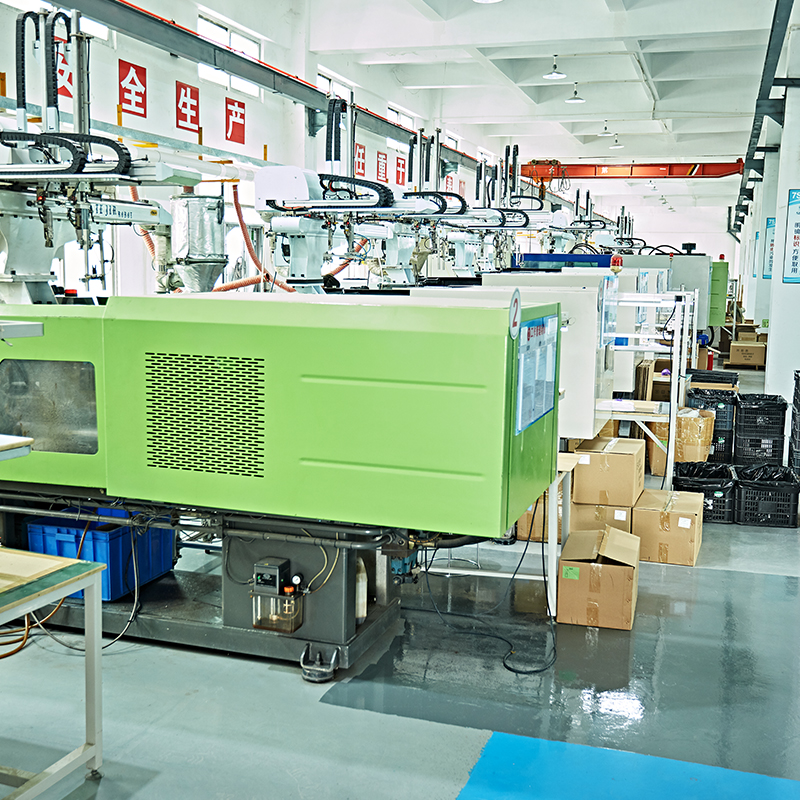
An injection molding machine generally includes an injection unit and a clamping unit.
The injection unit prepares and delivers the plastic material into the mold.
Plastic pellets are fed into a heated barrel, where a rotating screw helps move, compress, and melt the material.
As the screw rotates, the plastic is heated through a combination of external barrel heating and mechanical energy generated during processing.
Once a suitable amount of molten plastic has accumulated, the machine is ready for the injection stage.
The specific screw design, temperature settings, and processing conditions depend on the plastic material and component requirements.
How Does the Screw Help Melt and Prepare Plastic?
The screw plays an important role in plasticizing the material.
As it rotates, the screw conveys plastic pellets along the heated barrel. The material gradually softens and melts as it moves through different sections of the screw.
The screw also helps mix the molten plastic so that it can be delivered more consistently during injection.
Proper plasticization is important because the material needs to reach a suitable condition before entering the mold cavity.
If material preparation is not appropriate, the molding process may experience problems related to filling, appearance, or component consistency.
Why Must Machine Settings Match the Material and Mold?
Different plastic materials have different processing characteristics.
The machine settings therefore need to be developed according to the selected material, mold structure, component geometry, and production requirements.
Relevant settings may include:
-
Barrel temperature.
-
Screw speed.
-
Injection speed.
-
Injection pressure.
-
Holding pressure.
-
Cooling time.
These parameters are related to one another. Changing one setting may influence the filling behavior, component dimensions, surface appearance, or production cycle.
There is no universal temperature or pressure setting suitable for every plastic component.
Manufacturers need to establish appropriate processing conditions through technical evaluation and actual molding trials.

4. What Happens When Molten Plastic Enters the Mold?
How Does Plastic Flow into the Mold Cavity?
Once the plastic material has been properly prepared, the machine injects it into the closed mold.
The molten plastic travels through the mold's runner system and enters the cavity through the gate, depending on the mold design.
The cavity defines the component's intended shape.
During filling, the plastic needs to flow through the cavity and reach the required areas before it cools and becomes too difficult to move.
The flow behavior depends on factors such as material viscosity, injection speed, mold temperature, gate location, and component geometry.
A suitable mold design and properly developed injection process help the material fill the cavity as intended.
Why Are Injection Speed and Pressure Important?
Injection speed and pressure influence how molten plastic fills the mold.
If the filling process is not properly controlled, the component may experience defects such as incomplete filling, visible flow marks, or other appearance and dimensional problems.
Injection speed needs to be appropriate for the material and mold design. Excessively aggressive filling conditions may create other processing issues, while insufficient filling conditions may prevent the cavity from being filled completely.
Pressure is also important because it helps move the material through the runner and into the cavity.
The appropriate settings are established through process development rather than relying on one fixed value for every product.
How Does the Gate Design Influence Component Quality?
The gate is the point through which molten plastic enters the mold cavity.
Its position, size, and design can influence filling behavior, material flow, and the appearance of the finished component.
For example, a gate may leave a visible mark after the component is removed from the mold. If the component has an exposed appearance surface, the gate location may need to be considered carefully.
Gate design can also affect how evenly the cavity fills and how material flows around structural features.
This is one reason why mold design and injection molding process development need to work together.
For kitchen appliance components with visible external surfaces, the appearance requirements should be discussed before tooling is finalized.

5. Why Are Cooling and Solidification Important in Injection Molding?
How Does Plastic Solidify Inside the Mold?
After molten plastic enters the mold cavity, it begins to lose heat and solidify.
The cooling process is essential because the plastic needs to become sufficiently stable before the mold can open and the component can be removed.
Cooling channels inside the mold may circulate a temperature-controlled medium to help remove heat.
The actual cooling behavior depends on the plastic material, component thickness, mold temperature, cooling system design, and other process conditions.
Different sections of a component may cool at different rates, especially when wall thickness varies significantly.
How Can Uneven Cooling Cause Component Defects?
Uneven cooling can create dimensional and appearance problems.
For example, areas with different wall thicknesses may cool and shrink at different rates. This can contribute to sink marks, warpage, or dimensional variation.
The effect depends on the component geometry, material properties, and molding conditions.
For kitchen appliance housings, dimensional changes may also influence how different parts fit together during assembly.
This is why cooling should be considered during both product design and mold development.
A suitable wall thickness design and properly developed cooling arrangement can help reduce potential problems.
How Should Manufacturers Determine the Appropriate Cooling Time?
Cooling time needs to be long enough for the molded component to become sufficiently stable for ejection.
If the component is removed too early, it may deform or fail to maintain its intended dimensions.
However, unnecessarily long cooling time can increase the overall production cycle.
Manufacturers therefore need to balance component quality with production efficiency.
The appropriate cooling time depends on the material, component thickness, mold design, machine settings, and other production conditions.
It should be established through testing and process evaluation rather than assumed to be the same for every molded part.

6. How Is a Plastic Component Removed from the Mold?
What Is the Role of the Ejection System?
Once the component has cooled sufficiently, the mold opens and the ejection system helps release the molded part.
Common ejection methods include ejector pins, ejector plates, and other mechanical arrangements, depending on the mold structure.
The ejection system needs to apply force in a way that releases the component without causing unnecessary damage.
Its design should consider the component's shape, wall thickness, structural strength, and surface requirements.
A suitable ejection arrangement is especially important for components with complex geometries or large visible surfaces.
What Can Cause Problems During Component Ejection?
Several factors can make it difficult to remove a molded component.
Potential causes include:
-
Insufficient draft angles.
-
Excessive shrinkage or gripping around the mold core.
-
Inappropriate mold surface conditions.
-
Incorrect ejection positioning.
-
Inadequate cooling.
-
Problems with mold alignment or moving components.
These issues may cause scratches, deformation, or other defects during removal.
The cause should be investigated before deciding whether to adjust the processing conditions or modify the mold.
A problem during ejection does not necessarily mean that the plastic material is defective. It may involve the relationship between component design, mold structure, and production conditions.
Why Should Mold Release Be Controlled Carefully?
A molded component should be released from the mold without creating damage that affects its appearance or function.
If ejection force is applied incorrectly, the component may develop marks, deformation, or other defects.
This is why the ejection system, mold surface, and cooling conditions need to be considered together.
Manufacturers may need to review the mold design or adjust suitable process parameters if release problems occur.
For buyers, visible ejection marks and component deformation are useful items to include in sample inspection criteria, particularly for plastic parts that remain visible on the finished appliance.
7. What Are the Most Common Defects Found in Plastic Injection Molding?
What Causes Sink Marks, Warpage, and Flash?
Different injection molding defects can have different causes.
Sink marks are local surface depressions that may appear when material shrinks during cooling. They can be associated with thick sections, cooling conditions, or packing behavior.
Warpage refers to unwanted deformation of a molded component. It may result from uneven shrinkage, cooling differences, material characteristics, or component design.
Flash occurs when excess plastic escapes through gaps between mold surfaces, creating thin unwanted material along the component.
These defects should be evaluated according to their severity and effect on product appearance, dimensions, and function.
The appropriate corrective action depends on the actual cause rather than simply changing machine settings without investigation.
Why Do Short Shots and Flow Marks Occur?
A short shot occurs when molten plastic does not completely fill the mold cavity.
Possible contributing factors include insufficient material, unsuitable injection conditions, restricted material flow, or problems with venting.
Flow marks are visible patterns or lines on the molded surface that may be associated with how the plastic moves and cools inside the mold.
Their appearance can be influenced by material properties, injection speed, mold temperature, gate location, and component geometry.
For visible appliance housings, these defects may be particularly important because they can affect the finished product's appearance.
Manufacturers should identify the likely cause and evaluate whether a process adjustment, mold modification, or design review is necessary.
How Can Manufacturers Reduce Injection Molding Defects?
Reducing defects requires a systematic approach.
Manufacturers may need to review several areas:
-
Material grade and material preparation.
-
Mold design and condition.
-
Machine settings and process parameters.
-
Cooling conditions.
-
Mold venting and gate arrangement.
-
Component dimensions and wall thickness.
-
Inspection results and production records.
It is important to identify the source of a defect before selecting a corrective action.
For example, a dimensional problem may be related to material shrinkage, mold dimensions, or processing conditions. Changing the injection pressure alone may not solve the underlying issue.
A structured problem-solving process helps manufacturers improve production conditions and reduce the risk of recurring defects.
8. How Does Quality Inspection Help Control Injection-Molded Components?
What Should Be Checked During Incoming Material Inspection?
Before production begins, the factory should verify that incoming plastic material matches the required specifications.
Depending on the purchasing and quality-control arrangements, checks may include material identification, grade, color, packaging condition, and relevant supplier documentation.
For applications requiring specific material performance or regulatory compliance, buyers may also need supporting technical documents or test reports.
Material verification is important because the wrong material or color can affect the final product and may create difficulties during subsequent production.
The inspection requirements should be agreed upon according to the component's function and the project's specifications.
Which Dimensions and Appearance Features Should Be Inspected?
Inspection of molded components may include dimensional checks and visual evaluation.
Dimensional inspection can focus on critical measurements, fitting points, mounting holes, and other features that influence assembly.
Appearance inspection may consider:
-
Surface scratches or visible marks.
-
Sink marks and deformation.
-
Flash and excess material.
-
Color differences.
-
Surface texture and finish.
-
Visible flow lines or other defects.
The inspection criteria should be based on approved drawings, samples, and customer requirements.
Not every component requires the same inspection scope. Critical dimensions and appearance requirements should be identified during product development.
How Can Inspection Results Improve Production Consistency?
Inspection is not only a way to identify defective components. It can also provide information about the stability of the manufacturing process.
If the same defect appears repeatedly, the manufacturer can review the relevant material, mold, machine settings, or production conditions.
Inspection records may help identify patterns across different production batches.
For example, repeated dimensional deviations may indicate that the process needs further adjustment or that the mold requires attention.
A useful quality-control system should connect inspection findings with corrective actions rather than treating each defect as an isolated problem.
For buyers, asking how inspection results are recorded and how recurring issues are handled can provide insight into a manufacturer's production management.
9. How Can Injection Molding Be Coordinated with Kitchen Appliance Assembly?
Why Must Molded Components Match Other Product Parts?
Plastic components rarely function independently in a finished kitchen appliance.
They may need to connect with metal parts, electrical components, motors, heating systems, control units, or other plastic parts.
For example, a blender base housing must accommodate its internal structure and relevant mounting points. An electric kettle housing may need to fit with the handle, lid, base, and other product components.
If a molded part does not meet the required dimensions, it may create assembly difficulties even when its appearance is acceptable.
This is why dimensional requirements should consider the complete product structure rather than evaluating the plastic component alone.
How Can Assembly Feedback Help Improve Injection Molding?
Assembly feedback can reveal problems that are not always visible during individual component inspection.
For example, a plastic cover may pass a visual inspection but fail to fit correctly when installed with another part.
The manufacturing team may need to investigate whether the issue comes from the molded component, the mating part, the original design, or the assembly process.
When injection molding and assembly are coordinated within the same manufacturing operation, communication between the relevant teams may be more direct.
This can help the factory review production issues across different stages rather than treating molding and assembly as unrelated activities.
Why Should Buyers Evaluate the Complete Product Instead of Plastic Parts Alone?
A plastic component can meet its individual specifications but still create problems when used in the complete appliance.
For this reason, product evaluation should include relevant assembly and functional checks.
Depending on the product, this may involve checking component fitting, fastening, movement, control access, structural stability, and other design-related requirements.
Buyers should review the finished product against the approved sample and agreed specifications.
For customized products, it is also important to confirm that any changes to plastic components have been evaluated in relation to the complete product structure.
This approach helps ensure that component manufacturing supports the actual performance and usability requirements of the appliance.
10. How Can In-House Injection Molding Support Manufacturing Efficiency?
What Are the Benefits of Coordinating Molding and Assembly Internally?
When plastic injection molding and product assembly are managed within the same manufacturing operation, the relevant teams may communicate more directly about component requirements and production issues.
For example, if an assembly team identifies a recurring fitting problem, it may be easier to coordinate a review with the molding team.
This can support more efficient communication between production stages.
It may also help the factory coordinate component availability and production schedules.
However, internal production does not automatically eliminate every delay. Material availability, machine capacity, order priorities, tooling conditions, and other factors still influence the manufacturing schedule.
How Can Process Stability Affect Production Costs?
Injection molding costs are influenced by material consumption, cycle time, machine utilization, labor, tooling, inspection, and production efficiency.
If a process produces frequent defects, the factory may need to spend additional resources on inspection, rework, material replacement, or production adjustments.
Unstable processing conditions can also affect the consistency of the final components.
Developing suitable processing conditions and maintaining appropriate production controls can help reduce avoidable waste and improve manufacturing efficiency.
For buyers, this means that the lowest quoted component price is not always the most economical choice.
Component consistency, production reliability, and the ability to support repeat orders should also be considered.
What Should Buyers Ask About a Factory's Injection Molding Capabilities?
When evaluating a plastic injection molding supplier, buyers should ask questions that relate directly to the required components.
Useful questions include:
-
Which plastic components are manufactured in-house?
-
Which materials can the factory process?
-
What production equipment is available for the required component sizes?
-
How are material preparation and storage managed?
-
How are molding parameters established and monitored?
-
What inspection methods are used for molded components?
-
How are defects investigated and corrective actions recorded?
-
How is injection molding coordinated with product assembly?
These questions help buyers understand the manufacturer's actual production scope.
A supplier should be able to explain its capabilities in relation to the specific product rather than relying only on general claims about manufacturing experience.

11. What Should Buyers Check Before Choosing a Plastic Injection Molding Manufacturer?
How Can Buyers Evaluate a Factory's Production Facilities?
A factory visit or detailed production review can help buyers understand how injection molding is managed.
Depending on the factory's production scope, buyers may review:
-
Injection molding equipment.
-
Material storage and preparation areas.
-
Mold storage and maintenance arrangements.
-
Molded component handling areas.
-
Component inspection facilities.
-
Production records and work instructions.
The equipment should be suitable for the component size, material, and expected production requirements.
Buyers should also distinguish between equipment that belongs to the factory and equipment or processes provided by external partners.
The purpose is to understand what the supplier can genuinely control and how it manages the parts of production that are not performed internally.
Which Technical Documents Should Buyers Request?
Technical documents help establish the specifications and requirements for production.
Depending on the project, buyers may request:
-
Plastic material specifications.
-
Product drawings and dimensional requirements.
-
Approved samples.
-
Relevant material declarations or test reports.
-
Inspection procedures.
-
Quality inspection records where available.
-
Mold specifications and tooling agreements.
For components used in regulated applications, buyers should also confirm whether the relevant material or product documentation meets the requirements of the target market.
Documents should be checked for scope and applicability. A material document does not automatically prove that a complete finished appliance complies with all relevant product regulations.
Why Should Buyers Request Samples Before Confirming Large Orders?
A sample allows buyers to evaluate the actual component rather than relying entirely on drawings, descriptions, or product photos.
For injection-molded parts, buyers may review appearance, dimensions, material characteristics, fitting, and assembly compatibility.
If the component is part of a finished appliance, evaluating it within the complete product may provide additional information.
For customized projects, the approved sample should be retained as a reference for subsequent production.
Buyers should also confirm what happens if the factory changes the material, mold, or production process after approval.
Sample evaluation is not a substitute for all required testing, but it is an important step in confirming that the product matches the agreed requirements.

12. How Does Bestone Support Plastic Injection Molding for Kitchen Appliances?
What Manufacturing Processes Does Bestone Carry Out In-House?
Bestone is a kitchen and dining small appliance manufacturer based in Jiangmen, Guangdong, China.
According to the company's official website, Bestone was founded in 2017 and manufactures products across categories including electric kettles, toasters, blenders, and coffee-related appliances.
The company also states that most of its production processes, including tooling design and development, molding, plastic injection, assembly, and testing, are carried out in-house.
These production capabilities are relevant to kitchen appliance manufacturing because plastic components often need to be coordinated with tooling development, product assembly, and finished-product inspection.
For buyers, the exact scope of injection molding support should be confirmed according to the selected product and component requirements.
Which Kitchen Appliance Products Use Plastic Components?
Plastic components are used in many kitchen appliance categories.
For example:
-
Electric kettles: External housings, handles, lids, and selected base components.
-
Toasters: Housings, control panels, buttons, and decorative parts.
-
Blenders: Motor base housings, control interfaces, and selected structural components.
-
Coffee makers: External housings, covers, and other product-specific plastic parts.
-
Hand blenders: Handles, control buttons, and connecting components.
The actual material and component structure vary by model.
Bestone's product catalog covers multiple kitchen appliance categories, providing overseas buyers with options when sourcing different products from one manufacturing partner.
You can explore the available range through the Bestone kitchen appliance product catalog.
How Can You Discuss Your Plastic Component Requirements with Bestone?
If you are developing a new kitchen appliance or sourcing an existing product, sharing clear technical information can help the manufacturer evaluate your requirements.
Useful information includes:
-
Product category and intended application.
-
Plastic component drawings or reference samples.
-
Preferred material and color.
-
Required dimensions and appearance details.
-
Target market and relevant compliance requirements.
-
Expected order quantity.
-
Customization and branding requirements.
-
Expected development and production schedule.
The Bestone team can review the project information and discuss the relevant product and manufacturing arrangements.
Whether you need existing kitchen appliance models or are exploring a customized product, it is important to confirm the technical requirements before moving into mass production.
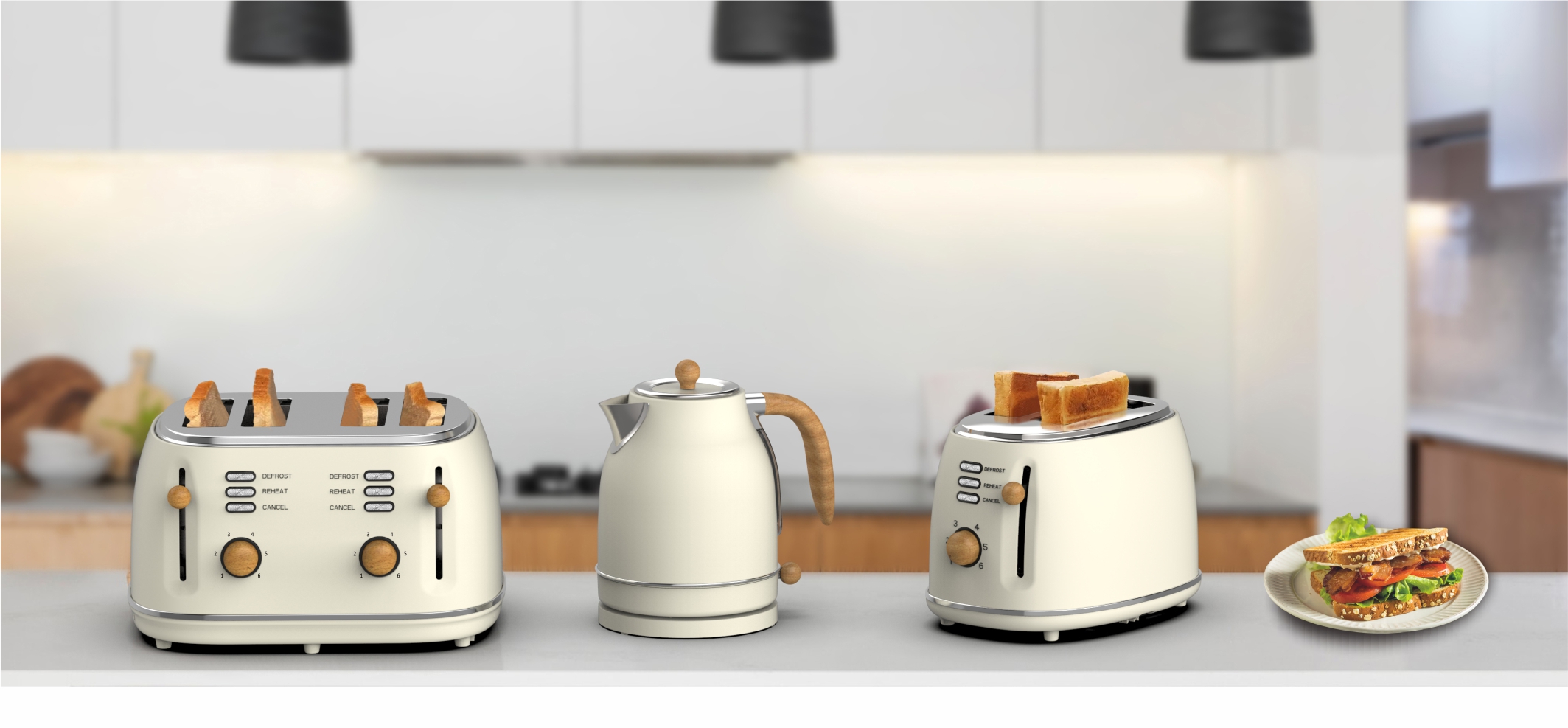
Looking for a kitchen appliance manufacturing partner?
Explore the Bestone product catalog or visit the Bestone official website to discuss your sourcing requirements.
Let's discuss how your product requirements can be translated into a practical manufacturing plan.
How Is a Custom Kitchen Appliance Mold Developed from Design to Production?